




Best Glasses for Small Faces: A Guide to Narrow Frames
Summary
Finding the perfect pair of glasses for a small face often feels like a search for a needle in a haystack. Standard frames frequently appear oversized, slipping down the nose or extending beyond the temples, which disrupts facial symmetry and compromises optical clarity. In 2026, the eyewear industry has shifted toward precision-engineered narrow frames that prioritize both aesthetic proportion and technical fit. This guide provides a comprehensive framework for identifying the best glasses for petite features, moving beyond basic 'small' labels to explore critical measurements like bridge width, pupillary distance (PD), and lens thickness. We examine how modern materials and high-index lenses—such as those detailed in our Technical Guide to High-Index Lens Materials and Standards—can transform the wearing experience for those with narrow faces. By understanding these technical nuances, you can select frames that enhance your natural features while providing the stability and comfort required for daily wear.
Key takeaways
- Prioritize Frame Width: Look for a total frame width of 125mm to 130mm to ensure the temples align with your face without extending outward.
- Check the Bridge: A narrow bridge (14mm–16mm) or adjustable nose pads are essential for preventing frames from sliding down a petite nose.
- Optimize Lens Thickness: High-index materials (1.61 or higher) are recommended for small frames to maintain a sleek profile and reduce edge thickness, especially for higher prescriptions.
- Verify Pupillary Distance (PD): Ensure your PD (typically 55mm–60mm for small faces) is accurately centered within the lens to avoid visual distortion.
- Choose Proportional Shapes: Cat-eye, round, and rectangular frames with vertical depth help balance smaller features without overwhelming the face.
Understanding the Technical Dimensions of a Small Face
When shopping for eyewear, the term "small face" is often used as a catch-all, but in the world of optics, it refers to specific anthropometric measurements. A petite facial structure typically features a narrower distance between the temples and a smaller nasal bridge. If you find that most "standard" glasses leave a significant gap between the frame and your temples, or if the lenses extend past the widest part of your face, you likely require narrow-fit frames.
The most critical measurement is the total frame width, which is the distance from one hinge to the other. For small faces, this usually falls between 125mm and 130mm. If the frame is too wide, it creates an "oversized" look that can make your features appear smaller and cause the glasses to feel unstable. Additionally, the lens width should typically range from 44mm to 48mm. While larger lenses are trendy, they often result in the wearer's eyes appearing too close together if the frame isn't scaled correctly.
Logic Summary: These measurement ranges are based on industry benchmarks for petite sizing. However, individual facial geometry varies; a person with a narrow forehead but wider cheekbones may need to prioritize temple flexibility over a strict width limit.
The Critical Role of Pupillary Distance (PD) in Narrow Frames
One of the most overlooked aspects of choosing glasses for small faces is the Pupillary Distance (PD). This is the measurement (in millimeters) between the centers of your pupils. For adults with petite features, the PD often ranges from 55mm to 60mm, whereas the "standard" average is closer to 63mm.
Why does this matter? Optical lenses are engineered with an "optical center" where the vision is clearest. If you put a small PD into a wide frame, your eyes may not align with these centers, leading to "prism effects" that cause headaches, eye strain, or blurred vision. When selecting narrow frames, it is vital to ensure that the frame's "Geometric Center Distance" (lens width + bridge width) is relatively close to your PD. This ensures your eyes are well-centered within the lenses, providing both better vision and a more balanced aesthetic.

Selecting the Right Lens Material for Petite Frames
For those with narrow faces, the choice of lens material is just as important as the frame itself. Small frames often mean that the lenses are closer to the eyes, making any thickness or weight more noticeable. If you have a moderate to high prescription, standard plastic lenses can appear bulky at the edges, even in a smaller frame.
This is where high-index materials become essential. As explored in our Technical Guide to High-Index Lens Materials and Standards, materials like 1.61, 1.67, and 1.74 high-index polymers are designed to bend light more efficiently. This allows the lenses to be significantly thinner and lighter than traditional 1.50 index lenses. For a narrow frame, a 1.67 high-index lens can reduce edge thickness by up to 30%, ensuring the glasses maintain a delicate, proportional look. Furthermore, these materials often offer better UV protection and impact resistance, which are standard requirements for 2026 eyewear.
Optimal Frame Shapes for Proportional Balance
Choosing the right shape is about creating harmony between the frames and your facial features. For small faces, the goal is to find styles that add definition without masking your natural beauty. While you can find more detail in our guide on how to choose the best eyeglasses frames for your face shape, here are the top recommendations for narrow faces:
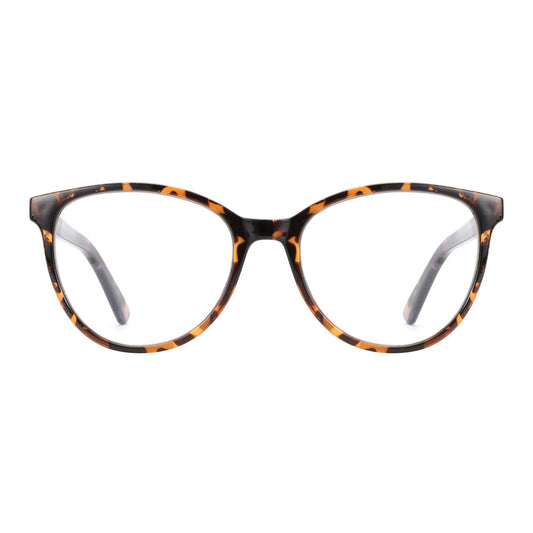
- Modified Cat-Eye: The upward sweep of a cat-eye frame draws the eye outward and upward, creating the illusion of width and lifting the features. For small faces, look for "petite" cat-eyes that aren't too flared.
- Round and Oval: These shapes are naturally softer and tend to have smaller lens widths. They are excellent for balancing angular features on a narrow face.
- Rectangular (Narrow): A classic rectangular frame can work well if the vertical height (B-measurement) is kept relatively short. This prevents the frames from resting on your cheeks when you smile.
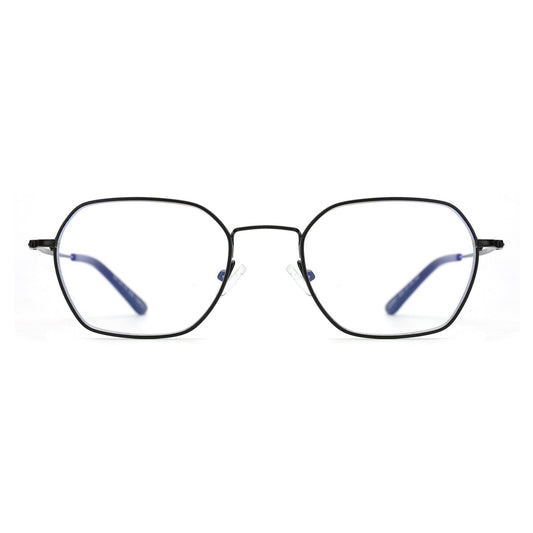
- Geometric Frames: In 2026, thin-rimmed hexagonal or octagonal frames have become popular for petite faces. Their unique angles provide a modern look without the bulk of traditional thick acetate.
Solving the Bridge Fit Challenge: Narrow Noses and Asian-Fit
A common pain point for people with small faces is the "slippage" factor. If the bridge of the glasses is too wide for your nose, the frames will constantly slide down, requiring frequent adjustment. Standard bridge widths are typically 17mm to 19mm, but for narrow noses, you should look for a bridge width of 14mm to 16mm.
Adjustable nose pads are a lifesaver for petite features. They allow you to "pinch" the pads closer together to create a custom fit. Alternatively, many manufacturers now offer "Asian-fit" or "Universal-fit" frames. These are designed with a higher bridge curvature and larger nose pads to accommodate lower or narrower nasal bridges, ensuring the glasses sit at the correct height and don't touch the eyelashes.
Logic Summary: Bridge fit is the primary driver of comfort. While fixed acetate bridges offer a cleaner look, adjustable metal pads are recommended for anyone whose glasses frequently slip, as they provide the most versatility for narrow facial structures.
Material Innovations in 2026: Lightweight and Flexible
The eyewear landscape of 2026 has introduced materials that are particularly beneficial for narrow frames. Because small frames have less surface area to distribute weight, using ultra-lightweight materials is key to long-term comfort.
- Shape-Memory Alloys: These metals can be bent or twisted and will return to their original shape. They are perfect for narrow frames that might be put under more tension when being put on or taken off.
- Graphene Composites: Graphene-infused frames are incredibly thin yet stronger than steel. This allows for ultra-narrow profiles that remain durable.
- Bio-Acetate: For those who prefer the look of plastic, bio-acetate offers a sustainable, lightweight alternative that can be easily adjusted by an optician for a snug fit around the temples.
How to Verify Your Fit at Home
Before finalizing your purchase, it is essential to verify that the frames will actually fit your face. While virtual try-on technology has improved, it can sometimes struggle with the precise scaling required for petite faces. We recommend a multi-step verification process to ensure you understand how glasses should fit before they arrive.
Fit Verification Checklist
| Feature | What to Look For | Why It Matters |
|---|---|---|
| Temple Alignment | Temples should go straight back to the ears without bowing out or pressing in. | Prevents headaches and ensures the frame stays centered. |
| Eye Centering | Your eyes should be horizontally centered in the lens. | Essential for optical clarity and proper PD alignment. |
| Cheek Clearance | There should be a small gap between the bottom of the frame and your cheeks. | Prevents the glasses from moving when you talk or smile. |
| Bridge Stability | The bridge should rest comfortably on the nose without a visible gap. | Prevents slippage and ensures the weight is distributed evenly. |
| Temple Length | The "bend" of the temple should start right at the top of the ear. | Ensures the glasses are secure and don't slide forward. |

Transitioning to Sun Protection: Narrow Sunglasses
The struggle to find narrow frames isn't limited to prescription eyewear; finding the right sunglasses can be even more difficult due to the trend toward oversized "shield" styles. However, protecting your eyes from UV rays is non-negotiable. When searching for sun protection, apply the same measurement rules: keep the total width under 130mm and look for specialized collections.
For women, our small sunglasses collection features designs specifically scaled for petite faces, ensuring you get full coverage without the "bug-eye" effect. Men with narrow faces should explore the small sunglasses for men range, which focuses on sleek, aerodynamic shapes that provide a secure fit. For more styling tips, check out our dedicated guide on how to choose the best sunglasses for small faces.
FAQ
How do I know if I have a small face? You likely have a small face if standard glasses frequently slip down your nose, feel loose at the temples, or look disproportionately large in photos. A technical way to check is to measure your face width from temple to temple; if it is less than 128mm, you will generally find the best fit in narrow or petite frame categories.
What are the best frame shapes for a narrow face? The most flattering shapes for narrow faces are cat-eye, round, and oval frames, as they provide a balanced look without overwhelming small features. Rectangular frames can also work well if they are specifically designed with a narrow bridge and shorter lens height to maintain proportion.
Can I wear oversized glasses if I have a small face? While you can wear oversized styles for a fashion statement, it is important to ensure the "technical fit" is still correct. This means the bridge must fit your nose securely and your eyes should be relatively centered in the lenses. If the glasses are so large that they slide off or cause visual distortion, they are likely too big for your facial structure.
What bridge size should I look for if my nose is narrow? For a narrow nose, look for a bridge size between 14mm and 16mm. If you find a frame you love with a wider bridge, ensure it has adjustable nose pads, which can be moved closer together to provide a secure and comfortable fit on a smaller nasal bridge.
Does pupillary distance (PD) change which frames I can wear? Yes, your PD is a critical factor in frame selection. If you have a small PD (under 60mm), you should avoid very wide frames, as your eyes will sit too close to the inner edge of the lenses. This can cause both aesthetic imbalance and optical issues like eye strain or peripheral distortion.
Are there specific materials that are better for small frames? Lightweight materials like titanium, shape-memory alloys, and high-quality acetate are ideal for small frames. These materials allow for thinner, more delicate designs that don't weigh down a petite face, while still providing the durability needed for daily use.
References
Government / Standards / Regulators
- ISO 12870:2016 - Ophthalmic optics — Spectacle frames
- ANSI Z80.1-2025 - Prescription Ophthalmic Lenses
Industry Associations / Research Institutes
- The Vision Council - Frame and Lens Standards
- College of Optometrists - Standards for Optical Appliances
Platform Official Docs & Policies
Community (Intent Only)
- Reddit r/Glasses - Discussion on petite frame sizing (Intent only; not authoritative)
