



No More Pinching: The Best Glasses to Wear With Over-Ear Headphones
Many people who wear glasses with over-ear headphones or VR headsets notice discomfort after 30 minutes or more. Pressure builds at the temples and behind the ears, often shortening gaming sessions, work calls, or immersive experiences. Low-profile temple designs, flexible materials, and thoughtful frame choices can reduce this pinching for long wear, though results depend heavily on your headset clamp force, head shape, and daily usage pattern.
Why Glasses and Over-Ear Headphones Often Clash
Over-ear headphones create a seal by pressing the earcups against the sides of the head. When glasses sit underneath, the temples can become trapped between the cushion and your skin. This leads to soreness, headaches, or the need to constantly readjust. VR headsets add another layer of face pressure that makes standard frames feel even more intrusive.
People who wear glasses may experience pressure at the temples or behind the ears when using over-ear headphones for extended periods. The issue grows noticeable in medium-length sessions and becomes limiting during long daily use. Understanding the contact points helps you choose frames that minimize rather than amplify the problem.

Common Pain Points and When They Appear
Discomfort rarely appears in the first few minutes. Short sessions under 30 minutes usually stay tolerable even with ordinary frames. Between 30 and 90 minutes, pressure differences start to matter, especially if the headset has strong clamp force. At 90 minutes and beyond, or during repeated daily use, low-profile temples and flexible materials become far more relevant.
If pain appears before the session ends, the current setup has already crossed the comfort threshold. This pattern appears frequently among gamers, remote workers, and VR users who spend hours with headsets on.
Temple Profile: The Most Important Design Factor
Temple thickness and shape determine how much the frame interferes with the headphone cushion. Thick, rigid temples create more noticeable pressure points under the earcups. Thinner or low-profile designs sit flatter and distribute force more evenly.
Low-profile temple designs may be more comfortable under over-ear headphones than bulkier frames. Frames with slim arms and minimal curvature behind the ear often allow the cushion to rest more naturally against the head. This small geometry change can noticeably reduce pinching during long gaming or music sessions.
Flexible frame materials may reduce pinch and improve all-day comfort for headset wearers. Materials that bend slightly under pressure can absorb some of the clamp force instead of transmitting it directly to sensitive areas. However, flexibility alone does not solve every issue if the temple still sits directly in the clamping zone.
VR Headsets and Prescription Glasses
VR users who wear prescription glasses often need either a headset-compatible fit strategy or prescription inserts/spacers to maintain comfort. Standard glasses can press against the foam facial interface, distort the view, or reduce the headset seal. Many manufacturers now offer official prescription lens inserts that eliminate temple contact entirely.
For frequent VR sessions, inserts usually provide a cleaner solution than trying to find the perfect everyday glasses frame. When inserts are not an option, choosing the thinnest possible temples and adjusting the headset fit becomes essential. Always check your specific headset model documentation for recommended spacing or compatible eyewear.
Scenario Matrix: When the Best Choice Changes
The ideal frame depends on your primary activity. Long gaming with closed-back headsets favors thin or flexible temples because clamp pressure and heat build up over time. VR use flips the priority toward very low-profile temples or inserts because the face seal leaves almost no room for bulk.
Work-from-home meetings emphasize stable fit and easy on-off handling, so moderate temple thickness may still work if the frame does not slip. Music listening sessions tend to be more forgiving, allowing slightly sturdier designs as long as they stay secure.
The choice flips toward lower-profile designs as soon as the headset sits on top of the glasses for long stretches. It flips back toward more structured temples when the glasses must survive frequent handling and repeated removal throughout the day.
Comfort vs. Wear Time and Temple Profile
Illustrative comfort levels for glasses with over-ear headphones or VR; higher means less likely to feel uncomfortable.
View chart data
| Category | Thick rigid temples | Thin flexible temples | Low-profile temples |
|---|---|---|---|
| Short (<30 min) | 4.0 | 5.0 | 5.0 |
| Medium (30-90 min) | 2.0 | 4.0 | 4.0 |
| Long (90+ min) | 1.0 | 2.0 | 3.0 |
Heuristic/illustrative scoring based on the supplied threshold table (under 30 min tolerable; 30-90 min pressure matters; 90+ min low-profile/flexible needed) and scenario matrix (gaming/VR/work). Scores are relative comfort levels, not measured data; higher = more comfortable.
This illustrative chart shows relative comfort levels across wear times. Short sessions feel acceptable with most frames. Medium and long sessions reveal clear advantages for thinner, more flexible, or low-profile temples. These scores are heuristic guides only and should be verified with your own headset and head shape.

What to Look for When Shopping
Start by measuring your current temple width and curvature. Look for frames described as lightweight, slim-temple, or flexible. Acetate or TR90 materials often strike a good balance between durability and give. Avoid overly thick arms or heavy metal frames if long headset sessions are common.
Check the temple length as well. Longer temples can sometimes be adjusted to reduce pressure, but very short ones may force the frame to sit too tightly. Adjustable nose pads help fine-tune the position so the temples clear the headphone contact zone better.
For high prescriptions, consider 1.74 high-index lenses to keep overall weight low. Lighter glasses reduce the leverage that can increase temple pressure against the headset.
Common Myths About Glasses and Headphone Comfort
Many assume any lightweight frame solves the issue. In reality, overall weight helps less than temple shape and positioning. Flexible materials can reduce pinch but do not eliminate it if the clamp lands directly on the temple arms.
Another myth claims that style is purely aesthetic. Frame shape and temple design directly affect how much side pressure builds under earcups. Finally, some believe headset adjustments alone fix everything. Adjustments help until the frame sits in the pressure path; beyond that point, changing the glasses or using inserts usually delivers better results.
Practical Buying Checklist
Before purchasing, answer these questions:
- How many hours per day will you wear the headset?
- Does your current frame already create hot spots after 45 minutes?
- Is the primary use gaming, VR, meetings, or music listening?
- Can you try the glasses with your specific headphones before committing?
Prioritize low-profile or flexible temples for sessions longer than 90 minutes. For VR, investigate prescription inserts first. Test the fit in your actual environment rather than relying on photos alone.
Explore gaming glasses that actually work for additional features that complement long digital sessions. If you need prescription options, review how to order high-prescription glasses online without regrets for measurement and selection tips.
Recommended Frame Styles at Zenottic
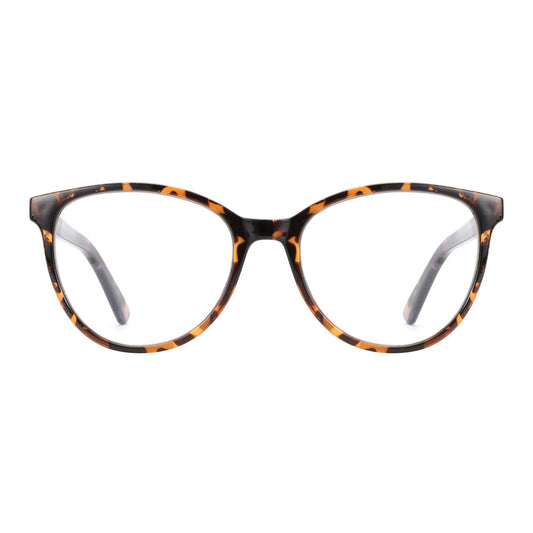
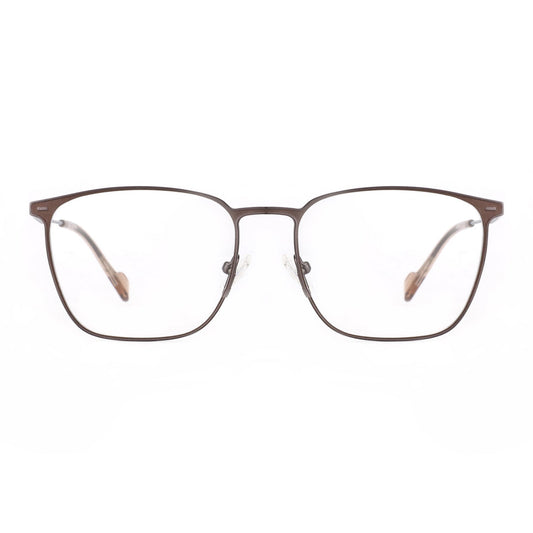
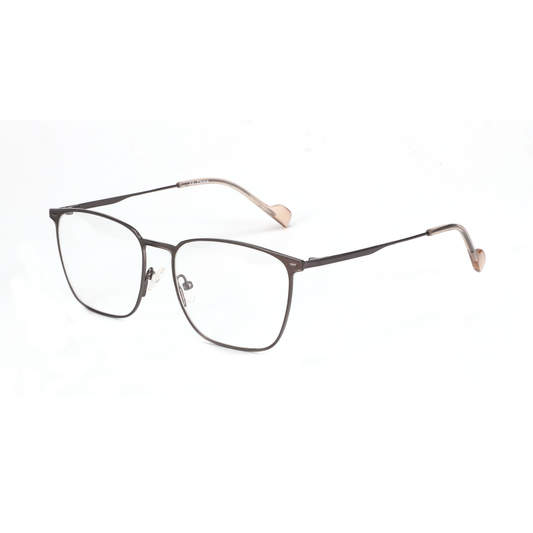
Several Zenottic frames align well with headphone-friendly needs. The Zenottic Eyeglasses Trevor offers a lightweight build with high-index lens options that keep overall mass low. Its slim profile works nicely under many over-ear designs.
The Zenottic Eyeglasses Adalyn features geometric metal construction with adjustable nose pads, allowing fine positioning to reduce temple pressure. For a more classic look that still prioritizes comfort, consider the Zenottic Eyeglasses Howard with its balanced acetate build.
Shop the full Eyeglasses collection to compare temple widths and materials side by side. The Best Selling Products section often highlights frames popular among digital users for good reason.
Headset Interaction Tips
Glasses can affect headset seal or stability, particularly when frames are thicker or sit farther from the face. Position the glasses first, then gently lower the headphones so the cushion rests just outside the temple arms. Slight loosening of the headband can sometimes help without sacrificing too much audio quality or immersion.
For audiophiles and gamers, maintaining the seal remains important for sound accuracy. Low-profile frames help preserve both comfort and performance. If seal loss becomes noticeable, prescription inserts or contacts may be worth considering for that specific activity.
Health and Comfort Disclaimer
This article discusses ergonomic setup advice and frame selection for improved perceived comfort with headsets. It does not constitute medical advice, diagnosis, or treatment. Persistent headaches, eye strain, or discomfort may indicate other factors. If you experience ongoing issues or have existing eye conditions, consult a qualified eye care professional.
Comfort remains highly individual. What feels perfect for one person may still cause pressure for another due to head shape, skin sensitivity, or specific headset model. Use the thresholds and scenarios above as starting points for your own testing.
The best glasses to wear with over-ear headphones ultimately balance your prescription needs, primary activities, and personal tolerance. By focusing on temple profile, material flexibility, and realistic wear-time expectations, you can reduce pinching and enjoy longer, more comfortable sessions. Test candidates with your actual headphones whenever possible, and remember that small design details often matter more than marketing claims.
Consider pairing your new frames with other digital wellness options such as prescription computer glasses for multi-monitor work or blue light blocking glasses for evening use. The right combination can significantly improve daily digital comfort.
