



High Anisometropia: Managing Unequal Prescription Strengths (Different Powers in Each Eye)
Knowing what to do when one eye prescription is much stronger than the other for glasses starts with recognizing that unequal powers affect more than simple sharpness. Having different eyeglass prescriptions in each eye can create unequal image sizes and induced prism between the eyes, on top of the obvious blur difference. The practical path is a coordinated review: verify the prescription, plan the lens design and frame together, confirm the fitting measurements, and know when to bring persistent symptoms back to an eye-care professional. None of these steps stand alone, and no single lens material or design guarantees comfortable binocular vision for every prescription.

What to Do When One Eye Prescription Is Much Stronger Than the Other
Work through these steps in order rather than jumping straight to a lens-material decision when managing unequal prescription strengths in glasses.

- Confirm the prescription first. Ask your optometrist or ophthalmologist to verify the refraction for each eye, especially if the difference between the two powers is new or has changed noticeably since your last exam.
- Discuss lens design as part of the fitting, not after it. Ask your optician how lens material, curvature, and thickness will be balanced between the two eyes before you choose a frame.
- Verify the fitting measurements before the lenses are cut. Vertex distance, optical-center height, and frame stability all affect how the finished glasses perform, so confirm them at the fitting appointment rather than after pickup.
- Discuss alternatives when relevant. If image-size differences or prism concerns persist, ask whether a specialty lens design or contact lenses fit your situation, and arrange a recheck if new glasses cause lasting discomfort.
This sequence is educational, not a diagnosis or a substitute for an individualized prescription decision, which stays with your eye-care professional and optician.
What High Anisometropia Changes in Binocular Vision
Anisometropia simply means the two eyes need different amounts of correction. High anisometropia can go further and affect how the brain merges the two images, because unequal lens powers can produce unequal image sizes and uneven optical distortion between the eyes, a phenomenon called aniseikonia.
Spectacle magnification, the amount a lens enlarges or shrinks what the eye sees, depends on more than raw prescription power. Lens index, thickness, base curve, and vertex distance all interact to change how large or small each eye's image appears, according to clinical research on aniseikonia and prismatic effects. The same source explains that anisometropia also causes induced prism: when a wearer looks away from the optical center of an anisometropic lens, each eye experiences a different prismatic shift, which can throw off binocular alignment even when each eye sees clearly on its own.
These optical effects are separate from retinal causes of image-size mismatch, and they help explain why some wearers with unequal prescriptions report eyestrain, headaches, dizziness, imbalance, nausea, or intermittent double vision even after an accurate, well-made pair of glasses. None of these symptoms by themselves confirm a diagnosis; they are signals worth discussing with an eye-care professional.
Which Lens and Frame Options May Help With High Anisometropia?
No single design fixes every case of high anisometropia, so the right choice depends on which optical problem is actually present: thickness, aberration, magnification mismatch, or a spectacle-versus-contact-lens tradeoff.
- High-index material mainly reduces lens thickness and surface-curve steepness for the stronger eye, which can improve cosmetic balance and weight. It does not by itself correct image-size or prism differences. Readers comparing thickness options for a strong prescription can review the tradeoffs in 1.67 vs. 1.74 high-index lenses.
- Aspheric or atoric design can reduce certain optical aberrations in a calculated lens shape, which may help with edge distortion in a strong prescription. A technical look at this tradeoff is covered in a guide on managing edge distortion in ultra-high prescriptions.
- Specialty size-matching (iseikonic) design deliberately alters magnification-related variables like vertex distance, base curve, and thickness to narrow the perceived image-size gap between the eyes. Case-level evidence on high-index and aspheric lens design for anisometropia notes that this approach can also introduce unequal lens weight, added thickness on one side, and distortion, so it typically requires an experienced optician and individualized calculation.
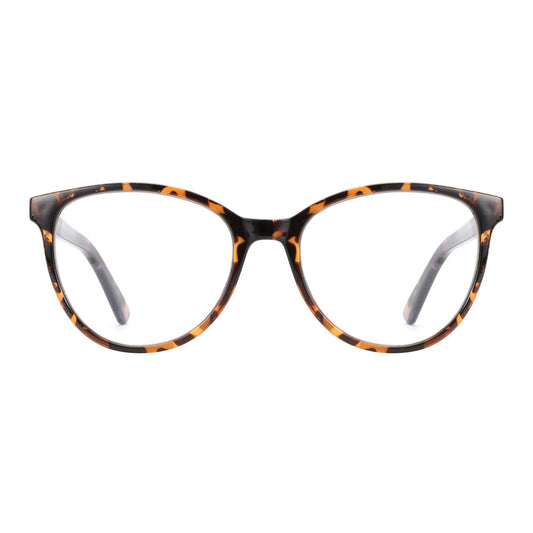
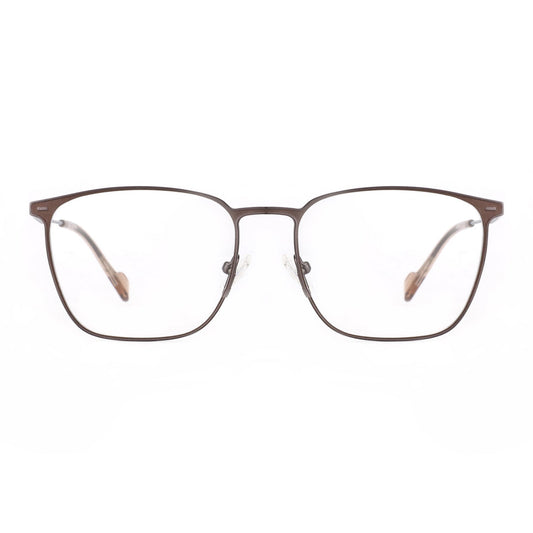
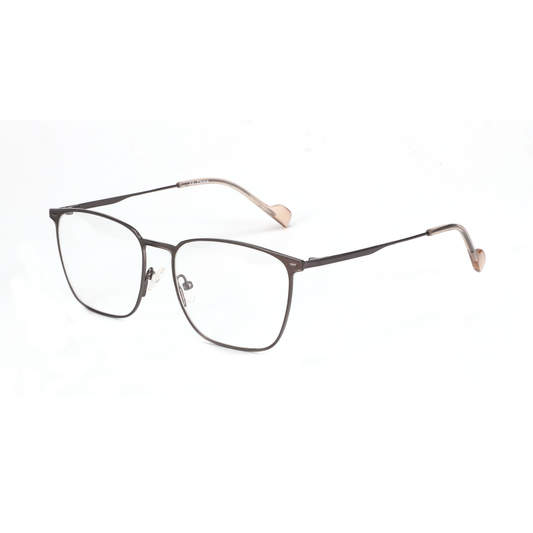
- Frame selection affects how much of these design choices can even be executed. A smaller, well-centered frame can reduce edge thickness and support more consistent optical-center placement, but frame geometry works together with vertex distance rather than replacing it.
- Contact lenses sit much closer to the eye's entrance pupil, which can reduce spectacle-related magnification and prism differences for some wearers. That option depends on an eye examination and a contact-lens suitability assessment from a doctor of optometry, since contact lenses are not automatically appropriate for every eye or lifestyle.
Why Vertex Distance and Centration Must Be Checked Together
Vertex distance is the space between the back surface of the spectacle lens and the front of the eye, and changing it changes the optical result. A shorter vertex distance generally lowers spectacle magnification, but clinical research on aniseikonia notes that reducing vertex distance cannot eliminate image-size differences on its own, and the closest possible distance is not automatically the right choice for every frame or face.
Because of that interaction, ask your optician how vertex distance, monocular pupillary measurements, optical-center height, and frame position were measured, and how they will be maintained once you leave the office. A frame that slips down the nose, sits at an angle, or shifts from its fitted position can undermine an otherwise well-designed lens by moving the optical centers away from where your eyes actually look. If one eye prescription is much stronger than the other, a practical starting point is reviewing frame selection for strong prescriptions to evaluate bridge fit and eye centering before lenses are cut.
When Persistent Symptoms Justify a Professional Recheck
Persistent double vision, marked dizziness, or significant visual discomfort after new glasses means it is time to stop relying on that pair and schedule a professional recheck rather than waiting it out.
- Mild, brief adjustment in the first days of wearing a new prescription is different from symptoms that stay severe or keep coming back.
- A frame that visibly tilts, slides, or sits differently than it did at the fitting appointment deserves a fit check before you assume the prescription itself is wrong.
- Bring the glasses and your original prescription to the appointment so the eye-care professional can compare what was ordered with what you are actually wearing.
At the recheck, expect the professional to reassess the prescription itself, the frame fit, the optical-center alignment, the vertex distance, and how your eyes work together, since any one of these can explain ongoing symptoms even when the others are correct. If you experience persistent strain, we recommend pausing use of the problematic pair and consulting your eye doctor for a targeted fit evaluation.
References
- National Center for Biotechnology Information (2023). Aniseikonia.
- Clinical Insights in Eye Care (2023). Case Report: Management of Retinally Induced Aniseikonia.
- American Optometric Association (2024). Vision and Vision Correction.
