



Eyewear as Makeup: Using Colored Frames to Enhance Your Natural Features
The right colored frames can function like a subtle makeup tool, brightening your complexion, making your eyes pop, and adding polish to your look when chosen to harmonize with your skin undertone and natural contrast. Rather than chasing one "perfect" youthful shade, focus on colors that echo tones already present in your face, hair, or wardrobe while avoiding those that fight your features or create harsh separation. This approach turns eyewear into a versatile extension of your style routine and supports building a small collection of frames for different occasions.
How Colored Frames Act Like Makeup for Your Face
Eyewear has evolved far beyond function. Just as blush adds dimension or lipstick draws attention to your mouth, frame color can shift how light reflects off your skin, emphasize your eyes, or create a harmonious frame around your features. A well-chosen hue can soften shadows, add warmth, or provide clean definition depending on your undertone and the lighting where you spend most of your time.
The key principle is harmony versus contrast. Colors that repeat undertones already visible in your skin or hair tend to look integrated and flattering, while colors that clash can make the frames stand out as a separate object rather than an enhancer. This is especially useful when you want glasses to complement daily makeup rather than compete with it.
For example, warm golden or amber tones can mimic the effect of a warm bronzer on some complexions, while cool navy or burgundy frames can create the crisp definition similar to a well-shaped brow. Results depend heavily on your specific undertone, face shape, hair color, and even the makeup you typically wear.
Understanding Your Undertone and Choosing Frame Colors
Skin undertones generally fall into warm, cool, or neutral categories, though many people have a mix. Warm undertones often have golden, peach, or yellow hints and may tan easily. Cool undertones show pink, blue, or red hints and may burn more readily. Neutral sits in between and can borrow from both.
A practical way to begin is to look at the veins on your inner wrist in natural light. Greenish veins often point to warm, bluish to cool, and a mix to neutral. You can also hold gold and silver jewelry near your face: gold usually flatters warm undertones while silver suits cool ones.
Here is a styling guide that summarizes common patterns. These are heuristic observations, not universal rules, and lighting, frame thickness, and your personal contrast level can change the outcome.
The radar chart below illustrates relative visual suitability across skin tone and contrast scenarios. Higher values indicate better harmony in illustrative modeling.
Frame Color Styling Guide by Skin Tone and Contrast
Editorial styling guide: higher scores indicate a better visual fit, not scientific measurement.
View chart data
| Series | Warm skin | Cool skin | Neutral skin | High contrast looks | Low contrast looks | Avoid / risky |
|---|---|---|---|---|---|---|
| Recommended frame colors | 5.0 | 1.0 | 3.0 | 4.0 | 2.0 | 1.0 |
| Risky frame colors | 1.0 | 5.0 | 2.0 | 1.0 | 4.0 | 5.0 |
Editorially modeled from the article's scenario matrix. This is a heuristic styling guide, not measured data or scientific scoring. Scores indicate relative visual suitability only.
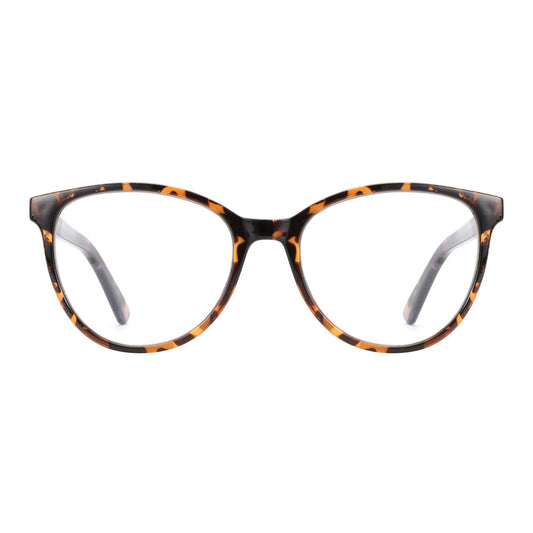
Warm undertones often look brightened by tortoise, honey, caramel, warm brown, olive, gold, and champagne frames. These tones tend to add warmth without looking flat. Cool undertones usually benefit from black, silver, gunmetal, navy, burgundy, and cool gray, which provide clean definition and can make eyes appear more vibrant. Neutral skin tones have the most flexibility and can successfully wear muted tortoise, soft black, pewter, transparent gray, or dusty rose depending on the rest of the look.
Hair color and facial contrast also matter. Those with dark hair and strong brows can carry deeper, higher-contrast frames such as black or deep burgundy effectively. People with lighter hair or softer features may find pale metals, light tortoise, or translucent frames more harmonious and less overpowering.

Making Eyes Pop and Brightening Your Complexion
To use glasses to highlight your eyes, consider how the frame color interacts with your eye makeup and brow area. Frames that echo brow color or create gentle contrast can draw attention upward. For instance, a soft rose or plum frame can complement rosy blush and make eyes appear larger when paired with neutral eye shadow.
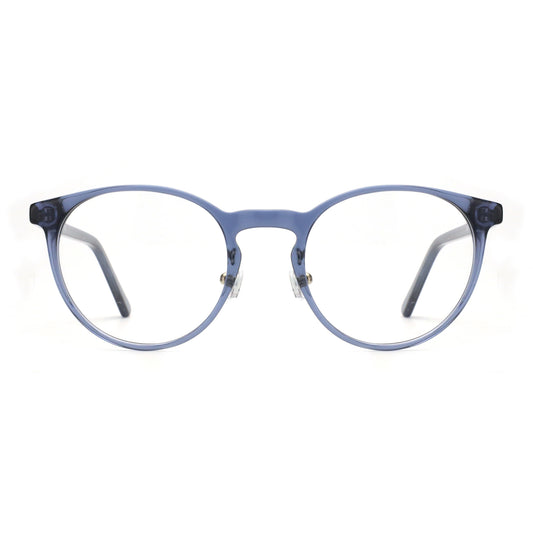
If your goal is to brighten the overall complexion, avoid colors too close to your skin tone that may wash you out or emphasize under-eye shadows. Instead, choose tones that add a gentle lift. Warm skin may find that honey or warm red frames create a healthy glow similar to a touch of bronzer, while cool skin may see more brightness from cool berry or navy tones that counteract redness.
Pairing eyewear with makeup takes practice. Many find that a slightly stronger brow or a touch more blush helps balance bolder frame colors. For daily wear, translucent or lighter frames often require less adjustment to your routine, while opaque or saturated colors may benefit from more defined makeup to avoid looking mismatched.
Common Myths About Glasses That Make You Look Younger
A widely repeated claim is that light or thin frames automatically make you look younger. In reality, very light frames can sometimes emphasize under-eye darkness or wash out low-contrast complexions, making the face appear tired rather than fresh. Similarly, the idea that dark frames always age the wearer overlooks how a well-matched deep tone can sharpen features and provide structure when it echoes your natural brow or hair color.
Another myth suggests that any colorful or trendy frame is inherently playful and youthful. Saturated colors can look stylish but may appear overly dramatic or disconnected if they do not relate to your overall palette, especially on low-makeup days or in everyday lighting.
The more reliable factor for a fresher appearance is reducing harsh visual weight around the eyes and choosing colors that create harmony rather than stark separation. This depends on your specific contrast level, skin undertone, and how you style the rest of your face.
When Certain Colored Frames May Not Work
Even attractive colors can fail in real life. Avoid relying on near-skin-tone frames if you want definition, as they can blend in and make features look less distinct. Very saturated novelty colors may look striking in photos but feel too bold for daily outfits or low-makeup days.
Skip stark black if your overall contrast is low and soft, because it can overpower delicate features and read as severe. Similarly, icy blue-gray or blue-black frames can flatten warm complexions, while overly yellow or amber tones may emphasize sallowness on cool skin. If a frame only looks good under specific lighting or with full makeup, it may not be practical for everyday use.
These exclusions are most important for frames you plan to wear regularly. Occasional statement pieces have more flexibility.
Coordinating Glasses with Makeup, Hair, and Wardrobe
Treat your eyewear as part of your broader aesthetic. Consider your usual makeup palette, hair color, and clothing tones when selecting frames. Someone who wears warm earthy tones and golden jewelry may find that warm tortoise or olive frames pull the whole look together. Those favoring cool neutrals and silver accessories often prefer navy, burgundy, or cool gray frames.
For those building a wardrobe of glasses, start with one versatile everyday pair that works with most of your makeup and outfits. Then add accent pairs for specific moods or occasions. A neutral translucent frame pairs easily with many looks, while a bolder colored pair can refresh your style for weekends or events.
How to Choose and Test Frame Colors Before Buying
When shopping online or in store, compare several options side by side under consistent lighting. Take photos in the lighting where you will wear the glasses most often, both with and without makeup. Check how the frames look at arm's length in a mirror and in selfies.
Ask yourself these practical questions:
- Does the color echo something already present in my skin, hair, brows, or usual clothing?
- Does it soften or define my features without creating harsh shadows?
- Does it still look balanced in indoor light, daylight, and on low-makeup days?
- Am I looking for subtle enhancement or a bolder style statement?
If possible, order frames with a try-on program or return policy so you can test them in your real environment. Remember that face shape also influences how colors read, so combine color knowledge with shape guidance for the best result.

Building Your Eyewear Wardrobe Strategically
Many style-conscious wearers now own multiple pairs to match different looks, much like changing handbags or shoes. A classic neutral pair for work, a warmer tone for casual days, and a bolder color for evenings or special events can expand your options without overwhelming your collection.
Start small. Identify the two or three most common palettes in your wardrobe and makeup bag, then select frames that support those. Over time you can add pieces that introduce new colors as your style evolves.
This approach encourages thoughtful purchases rather than impulse buys and helps ensure each pair earns its place by genuinely enhancing your natural features.
This article only discusses comfort and setup advice related to eyewear styling. It does not constitute medical advice, diagnosis, or treatment. Frame color choices affect appearance subjectively and depend on individual features, lighting, and personal taste. If you experience any eye discomfort or have existing vision conditions, consult a qualified eye care professional.
Choosing colored frames that work with your natural features takes experimentation, but the effort pays off when your glasses become a seamless, flattering part of your daily look. By focusing on harmony with your undertone and contrast rather than chasing trends, you can use eyewear as a reliable cosmetic tool that brightens, defines, and expresses your personal style.
