


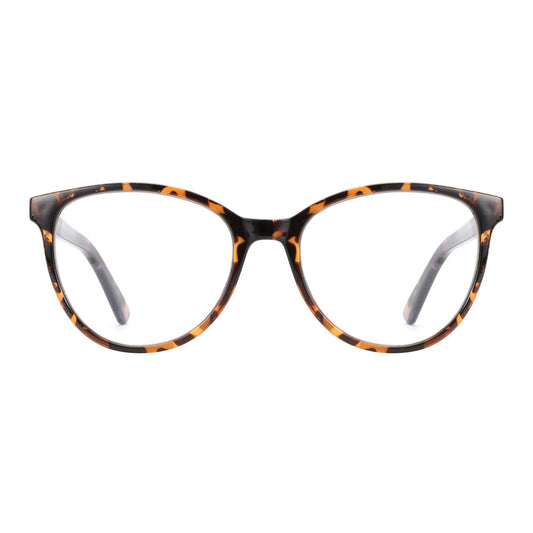

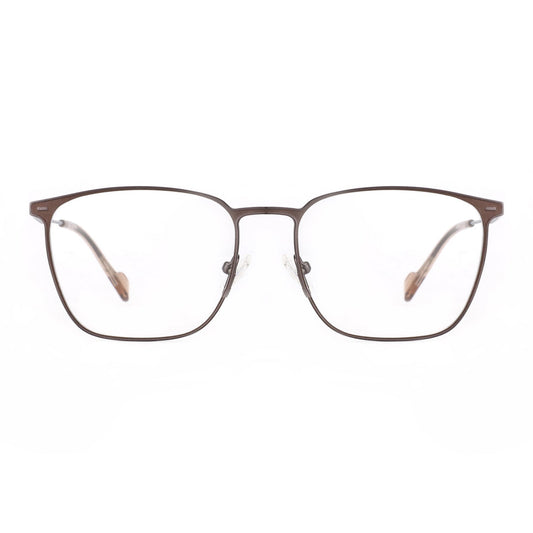
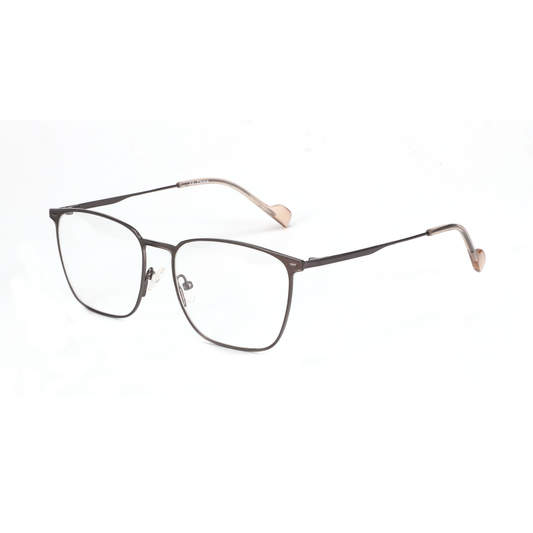
Can You Use FSA or HSA Money to Buy Glasses Online?
FSA glasses may qualify when they are medically necessary, including prescription eyewear purchased online. That general IRS treatment does not guarantee approval: your plan, the specific item, payment method, and documentation determine whether the purchase is accepted or reimbursed. IRS Publication 502 treats medically necessary eyeglasses as a medical expense, while plan rules control the actual claim process.

When FSA Glasses May Qualify
Prescription eyeglasses are the clearest category to check for FSA or HSA payment, but no plan is required to approve every purchase automatically. General tax treatment provides a starting point; your written plan and administrator determine eligible expenses, substantiation requirements, deadlines, and whether the online merchant supports the payment method.
Ordering online does not change the basic question. Before placing the order, confirm the exact item, whether the lenses are prescription or otherwise accepted by the plan, what records you need, and whether you must pay out of pocket and request reimbursement. IRS Publication 969 explains that qualified expenses and written plan requirements matter for tax-advantaged accounts, so a product description or successful card transaction is not final proof of eligibility.

For a practical overview before contacting your administrator, see these FSA and HSA eyewear details. Use that information for shopping context, not as a substitute for your plan documents.
The safest approach is to classify the item, verify the plan, and then choose the payment method. If a denied claim could leave you with an unexpected bill, get written confirmation before checkout.
Which Eyewear Purchases Need an Eligibility Check?
Prescription eyewear is the strongest starting category, but prescription sunglasses and over-the-counter readers may be classified differently from one plan to another. Do not treat non-prescription fashion eyewear as eligible without specific confirmation.
Prescription Eyeglasses
Prescription eyeglasses are generally the clearest type of FSA glasses to check under general IRS medical-expense treatment. IRS Publication 502 supports that general distinction, but it does not guarantee approval under a specific FSA or HSA plan. Keep the prescription or other supporting record, and make sure the order identifies the corrective eyewear, price, date, and merchant.
That does not make every frame, lens option, or bundled charge automatically eligible. Ask whether the plan evaluates the complete order or only specific line items, especially when the purchase includes non-corrective options or separate accessories.
Prescription Sunglasses
Prescription sunglasses may qualify when the plan treats them as corrective eyewear, but confirm the classification with your plan. One federal employee plan lists prescription sunglasses as eligible with a detailed receipt and over-the-counter sunglasses as ineligible. That is an example of plan-specific treatment, not a universal rule for private employer plans or every HSA arrangement. FSAFEDS expense guidance illustrates why prescription status and the plan's own expense table matter. Secondary guidance also distinguishes corrective eyewear from fashion sunglasses, but it should not replace your plan's rules. Corrective-eyewear guidance offers that limited context.
| Check | Why It Matters |
|---|---|
| Prescription status | Confirms whether the lenses are corrective rather than purely fashion eyewear. |
| Corrective lens details | Gives the administrator a clearer connection between the product and the medical purpose. |
| Itemized price | Helps separate the eyewear amount from charges the plan may review separately. |
| Plan confirmation | Establishes whether this exact category and documentation meet your plan's rules. |
Do not assume that tint, UV features, frame style, or similar options are independently eligible or ineligible. Ask how your plan handles them when they appear as separate charges.
Reading Glasses and Non-Prescription Frames
Over-the-counter reading glasses may qualify under some plans, while non-prescription fashion frames and accessories should not be assumed eligible. For example, one federal employee plan lists over-the-counter reading glasses as eligible with a detailed receipt, but that classification does not automatically apply to every FSA or HSA. Its reading-glasses listing is best used as an example of why plan confirmation matters.
Before buying readers or non-prescription frames, check:
- Whether the item must have a prescription or documented medical purpose.
- Whether the plan requires a detailed receipt, provider information, or another record.
- Whether the written plan specifically names reading glasses, frames, accessories, or similar items.
If the plan does not clearly classify the item, ask the administrator before using account funds. A reading purpose alone does not guarantee that the purchase qualifies.
How to Pay for an Online Eyewear Order
Use an FSA or HSA card only after confirming that the exact item and merchant meet the plan's payment rules. If card payment is unavailable or uncertain, paying with another accepted method and requesting reimbursement may be safer, provided the expense is eligible and properly documented.
- Verify the item and plan rule first. Identify the eyewear category, then ask whether the plan permits that item for card payment or reimbursement. Confirm whether prescription records, medical-necessity documentation, or a detailed receipt are required. This is especially important for prescription sunglasses, reading glasses, and non-prescription items.
- Check card acceptance and mixed-charge handling. A benefits card may not work with every online merchant, and a declined card does not by itself prove that the eyewear is ineligible. Likewise, a successful transaction does not guarantee later substantiation or reimbursement. Ask how the plan handles shipping, taxes, accessories, upgrades, and orders that combine potentially eligible and ineligible charges.
- Keep the order record and follow the fallback route. If you pay out of pocket, use the plan's required reimbursement portal or form and submit the requested records. If the card is accepted, still retain the itemized order and payment record in case the administrator requests later substantiation.
The payment method is only one part of the decision. Card acceptance is a checkout signal, not a final eligibility ruling, and reimbursement remains subject to the plan's review process.
What to Save for Eyewear Reimbursement
Keep an itemized receipt, proof of payment, and any prescription or supporting record your plan requests. These documents support substantiation but do not prove eligibility or guarantee reimbursement. IRS guidance supports retaining records that identify the medical product or service, date, and amount. IRS substantiation guidance explains that documentation principle.
Receipt Details to Check
A useful receipt should identify the purchase without requiring the administrator to reconstruct it from a vague order summary.
- Exact eyewear or lens description.
- Purchase date and merchant name.
- Amount paid, with separate line items when available.
- Proof of payment, such as the card record or order payment confirmation.
Keep shipping, taxes, accessories, and upgrades itemized when the order includes them. Their treatment can vary by plan, so do not relabel or combine charges to make the purchase appear eligible.
Supporting Records for the Claim
Add a prescription, provider information, or medical-necessity documentation when your plan requests or requires it. Match each record to the claimant and the exact order, particularly when the purchase is for a spouse or dependent rather than the account holder.
The administrator may ask for more than the merchant receipt, especially for reading glasses, prescription sunglasses, or an item whose medical purpose is not obvious from the receipt. Your plan's claim instructions determine what you must submit and how long to retain the records.
If the Administrator Requests More Information
Respond through the stated portal, form, or contact channel instead of sending an informal description in place of the requested record.
- Identify the missing substantiation and submit it by the plan's stated deadline.
- If the claim remains denied, request the written reason and the available review or appeal route. Do not alter the original receipt description or create a replacement record that does not reflect the purchase.
Because deadlines and review procedures vary, ask the administrator which date applies to your claim. Keep copies of the submission, correspondence, and final decision.
A Final Check Before You Place the Order
Before paying, confirm the exact item, the plan's eligibility and documentation rules, the payment route, and the records you must retain. If any answer is unclear, ask the administrator before paying or submitting a reimbursement request.
- Identify the exact item. Record whether it is prescription eyewear, prescription sunglasses, reading glasses, a non-prescription frame, or a mixed order.
- Check the eligible-expense rule. Use your written plan or administrator's expense list, not a general internet statement or the product category alone.
- Confirm supporting documentation. Ask whether the plan requires a prescription, medical-necessity record, detailed receipt, or separate line items.
- Choose the payment route. Confirm whether the selected merchant and exact item support card payment. If not, determine how to pay first and request reimbursement.
- Retain the records. Save the itemized receipt, proof of payment, supporting documents, and claim correspondence until the plan confirms that no further action is needed.
This process reduces the risk of a declined payment or delayed claim, but only the applicable plan and administrator can resolve an uncertain classification. Once the details are confirmed, you can browse prescription eyeglasses without treating any listed item as automatically approved for benefits.
FAQs
These answers address common plan questions, but your administrator's written rules control the final decision. Keep the order, payment, and supporting records for any claim.
Can I Use an FSA or HSA for Glasses Bought With Insurance?
Do not seek reimbursement for the same eyewear amount from both insurance and an FSA or HSA. Ask how the remaining patient-paid amount must be documented, and keep the insurance explanation of benefits, receipt, and payment record so the administrator can identify the unreimbursed portion.
Can I Use FSA or HSA Funds for an Eye Exam and Glasses in the Same Order?
A bundled order may need separate itemization for the exam, eyewear, and other charges. Ask whether the plan evaluates each service independently, and request a receipt showing the date, provider or merchant, exact service, and amount for each line.
Can I Use FSA or HSA Money for Someone Else's Glasses?
Spouse or dependent status and the account's qualified-person rules can affect whether another person's eyewear may be paid for or reimbursed. Confirm the person's relationship to the account holder and whose prescription or supporting record is required before purchase.
What Happens If My FSA or HSA Eyewear Claim Is Denied?
Request the written denial reason, then determine whether the issue concerns the item, missing substantiation, payment source, or filing deadline. Submit the requested correction through the stated process and ask about the available review or appeal route if the decision remains disputed.
Can I Use HSA Funds for Glasses After My FSA Balance Is Exhausted?
Possibly, but the HSA still requires a qualified medical expense and cannot reimburse an amount already paid or reimbursed elsewhere. Confirm that the claimant, eyewear, and purchase timing fit the HSA rules. An HSA balance does not make a non-prescription item automatically eligible.
Can I Use FSA or HSA Funds for Shipping and Lens Upgrades?
There is no universal answer for shipping, taxes, lens upgrades, or accessories across all plans. Ask whether each charge must appear separately and whether the administrator evaluates it with the corrective eyewear or on its own. Keep the complete invoice instead of submitting only a rounded total.
