




Sustainable Eyewear: Choosing Eco-Friendly Frame Materials
Summary

Choosing sustainable eyewear in 2026 involves prioritizing materials that minimize environmental impact without sacrificing optical performance or aesthetic appeal. The most effective eco-friendly choices include bio-acetate, which replaces petroleum-based plasticizers with plant-derived alternatives, and recycled ocean plastics that repurpose discarded fishing gear. By selecting frames certified by standards such as ISCC PLUS or the Global Recycled Standard (GRS), consumers can ensure their purchase supports a circular economy and reduces the carbon footprint associated with traditional eyewear manufacturing.
Key takeaways
- Bio-acetate vs. Traditional Acetate: Bio-acetate utilizes plant-based plasticizers, making it a more renewable choice than standard cellulose acetate which often relies on diethyl phthalate (DEP).
- Recycled Materials Impact: Frames made from recycled ocean plastic can repurpose approximately three square meters of abandoned fishing nets, directly contributing to marine conservation.
- Durability and Longevity: Eco-friendly materials like stainless steel and high-quality bio-acetate offer durability comparable to traditional plastics, provided they are maintained correctly.
- End-of-Life Responsibility: Sustainability extends beyond the purchase; understanding how to properly dispose of or recycle frames at the end of their life is crucial for a truly circular approach.
- Certification Verification: Look for third-party certifications like GRS or FSC to verify claims of recycled content or responsibly sourced natural materials.
The Evolution of Eco-Conscious Vision
The eyewear industry has undergone a significant transformation as we move through 2026. What was once a niche market for "green" products has become a central pillar of modern style and responsibility. Choosing sustainable eyewear is no longer just about the frames themselves; it is about understanding the entire lifecycle of the product, from raw material extraction to the eventual disposal. For many, the journey begins with eyeglasses that reflect personal values of conservation and quality.
Sustainability in optics is defined by three main categories: renewable bio-based materials, recycled post-consumer waste, and responsibly sourced natural elements. Each of these categories offers unique benefits and trade-offs in terms of weight, flexibility, and environmental footprint. As consumers become more sophisticated, the demand for transparency in how affordable prescription sunglasses are made has led to better manufacturing standards across the board.
Understanding Bio-Acetate: The Plant-Based Revolution
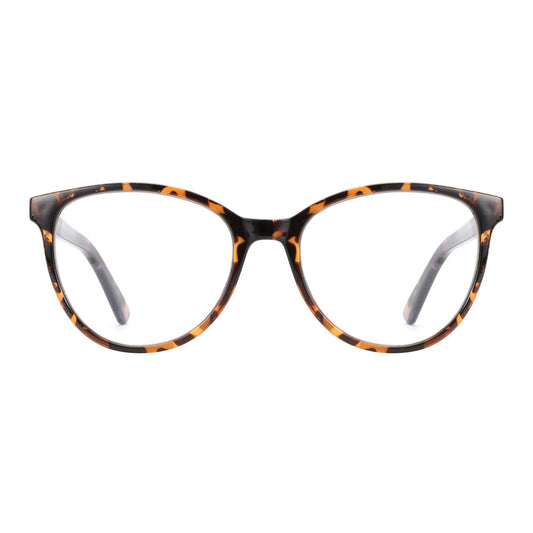
Bio-acetate is arguably the most popular choice for eco-friendly frames today. To understand its value, one must first understand traditional acetate frames. Standard cellulose acetate is derived from wood pulp or cotton fibers, which is inherently renewable. However, the "glue" that makes it flexible—the plasticizer—is traditionally petroleum-based.
Bio-acetate replaces these fossil-fuel plasticizers with bio-based alternatives, often derived from citric acid or other vegetable sources. This shift reduces the overall carbon footprint of the frame by up to 30% compared to traditional versions. It is important to note that while bio-acetate is often labeled as "biodegradable," this typically refers to industrial composting conditions (ISO 14855). In a standard landfill, the decomposition process is significantly slower, though still preferable to traditional plastics.
Logic Summary: Bio-acetate is recommended for those seeking the classic look and feel of high-end plastic frames with a reduced reliance on petroleum. It is ideal for daily wear but requires industrial composting facilities for optimal end-of-life processing.
Recycled Plastics and Ocean-Bound Waste
One of the most impactful innovations in sustainable eyewear is the use of recycled ocean plastics. These frames are often made from "ghost nets"—abandoned nylon fishing nets that pose a severe threat to marine life. Processing these nets into high-quality eyewear involves cleaning, shredding, and pelletizing the nylon into a material that can be injection-molded.

Beyond ocean plastics, recycled PET (polyethylene terephthalate) from water bottles is also gaining traction. While these materials are incredibly durable and lightweight, they often have a more matte finish compared to the high-gloss look of acetate. This aesthetic difference has become a hallmark of "eco-style," signaling a wearer's commitment to repurposing waste.
The Role of Recycled and Sustainable Metals
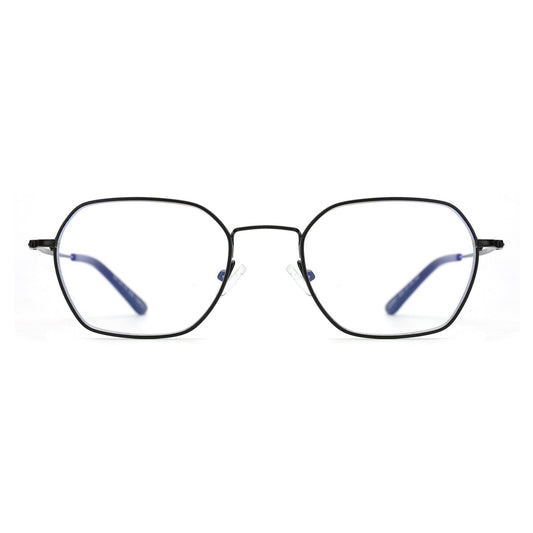
Metal frames have long been a staple of the eyewear world, but their sustainability profile depends heavily on the sourcing and recyclability of the alloys used. Stainless steel and titanium are standout performers in this category because they are 100% recyclable without loss of quality. When considering are metal sunglasses good for the environment, the answer often lies in their longevity. A high-quality metal frame can last for decades, reducing the need for frequent replacements.
Monel and nickel silver, while common, are more difficult to recycle and may cause skin sensitivities. In 2026, many brands are shifting toward recycled stainless steel, which consumes significantly less energy during production than virgin ore extraction.
Natural Materials: Wood, Bamboo, and Cork
For those seeking a truly distinct look, natural materials like wood and bamboo offer a tactile connection to the environment. Bamboo is particularly sustainable because it is a fast-growing grass that requires no pesticides and minimal water. It is also naturally water-resistant and lighter than most hardwoods.
Wood frames, while beautiful, require careful sourcing. Look for the Forest Stewardship Council (FSC) certification to ensure the timber was harvested from responsibly managed forests. One trade-off with natural wood is its lack of adjustability; unlike acetate or metal, wood cannot be easily heated and bent to fit a specific face shape, making the initial fit critical.
Material Comparison: Sustainability vs. Performance
The following table compares the most common sustainable materials based on their environmental impact and physical properties.
| Material | Primary Source | Recyclability | Durability | Adjustability |
|---|---|---|---|---|
| Bio-Acetate | Wood pulp/Cotton | Industrial Compost | High | Excellent |
| Recycled Nylon | Fishing nets | High | Very High | Moderate |
| Recycled Steel | Scrap metal | 100% | Very High | High |
| Bamboo | Bamboo stalks | Biodegradable | Moderate | Low |
| Recycled PET | Plastic bottles | High | Moderate | Low |
Maintenance: Extending the Life of Eco-Materials
A key component of sustainability that is often overlooked is the maintenance of the product. The most sustainable pair of glasses is the one you already own. Knowing how to scientifically care for your glasses is essential for maximizing the lifespan of eco-friendly materials, which can sometimes be more sensitive to extreme temperatures or harsh chemicals.
For bio-acetate, avoid leaving frames in a hot car, as the bio-based plasticizers can migrate more easily than traditional ones, leading to warping. For wood and bamboo, an occasional application of natural oil (like beeswax or walnut oil) can prevent the material from drying out and cracking.
Beyond the Frame: Sustainable Lens Choices
While the frame is the most visible part of the eyewear, the lenses also play a role in the environmental equation. Most modern lenses are made from optical plastics like CR-39 or polycarbonate. While these are not currently widely recyclable, choosing high-quality materials that provide superior vision can prevent the need for frequent lens replacements.
For those with complex prescriptions, understanding the technical aspects of lens selection is vital. Our Technical Guide to High-Index Lens Materials and Standards provides a deep dive into the material science of high-index polymers, explaining how advanced resins can offer thinner, lighter lenses that comply with the latest ISO and ANSI standards. By choosing the right lens material for your diopter range, you ensure your eyewear remains functional and comfortable for years.
End-of-Life: What to Do with Old Frames?
The "circularity" of a product is only realized when it reaches its end-of-life. Unfortunately, most curbside recycling programs do not accept eyewear due to the mix of materials (metal hinges, plastic frames, coated lenses). In 2026, several dedicated programs have emerged to handle this:
- Donation: If the frames are still in good condition, organizations like Lions Club International can refurbish them for those in need.
- Specialized Recycling: Some manufacturers offer "take-back" programs where they disassemble the frames and recycle the components separately.
- Composting: True bio-acetate frames can be sent to industrial composting facilities, though you must remove the metal hinges and lenses first.
Logic Summary: The disposal phase is where most sustainability claims fail. We recommend donation as the primary option for functional frames, followed by specialized mail-in recycling programs to ensure materials are diverted from landfills.
FAQ
Are bio-acetate frames as durable as regular plastic frames? Yes, bio-acetate frames offer nearly identical durability and flexibility to traditional cellulose acetate. The main difference lies in the chemical composition of the plasticizers, which are derived from plants rather than petroleum. With proper care, they can last for many years without losing their shape or finish.
Can I put my bio-acetate glasses in my backyard compost bin? No, bio-acetate is generally only "biodegradable" in industrial composting environments where temperatures and microbial activity are carefully controlled. In a home compost bin or a landfill, they will not break down at a significant rate. Always check with the manufacturer for specific disposal instructions.
How do I know if a brand is actually sustainable or just "greenwashing"? Look for third-party certifications such as the Global Recycled Standard (GRS), ISCC PLUS, or FSC. These organizations audit the supply chain to verify that the materials used are truly recycled or responsibly sourced. Be wary of vague terms like "eco-friendly" without specific data or certification to back them up.
Why are sustainable glasses often more expensive? The cost reflects the higher price of raw materials like bio-resins and the complex processes required to clean and repurpose recycled plastics. Additionally, sustainable brands often invest more in ethical labor practices and low-impact packaging, which contributes to the overall price point.
Are recycled metal frames better than recycled plastic? From a circularity perspective, metal is often superior because it can be recycled infinitely without losing its structural integrity. However, recycled plastic frames (like those from ocean waste) serve the critical purpose of removing existing pollution from the environment. Both are excellent choices depending on your style preference.
Do eco-friendly frames require special cleaning products? It is best to use mild, pH-neutral soap and a microfiber cloth for all eyewear. Avoid harsh chemicals or alcohol-based cleaners, which can strip the natural oils from wood frames or cause bio-acetate to become brittle over time. Regular cleaning prevents the buildup of skin oils that can degrade the material.
References
Government / Standards / Regulators
- ISO 14855-1:2012 - Determination of the ultimate aerobic biodegradability of plastic materials
- ANSI Z80.1-2025: Ophthalmics - Prescription Spectacle Lenses
Industry Associations / Research Institutes
- The Vision Council: Sustainability in the Eyewear Industry
- Global Recycled Standard (GRS) - Textile Exchange
Academic / Whitepapers / Labs
- Research on the Biodegradability of Cellulose Acetate in Marine Environments
- Life Cycle Assessment of Bio-based vs. Petroleum-based Plastics
