



The Rise of 'Fast Eyewear': Why Owning Just One Pair of Glasses is Obsolete
In 2026, relying on a single pair of glasses for every aspect of life is becoming outdated. Affordable, high-quality online eyewear makes it practical and stylish to own multiple pairs tailored to different activities, settings, and moods. This shift toward a versatile eyewear wardrobe helps reduce risk from loss or damage while matching your look and needs more effectively.

What Is Fast Eyewear and Why Is It Gaining Momentum
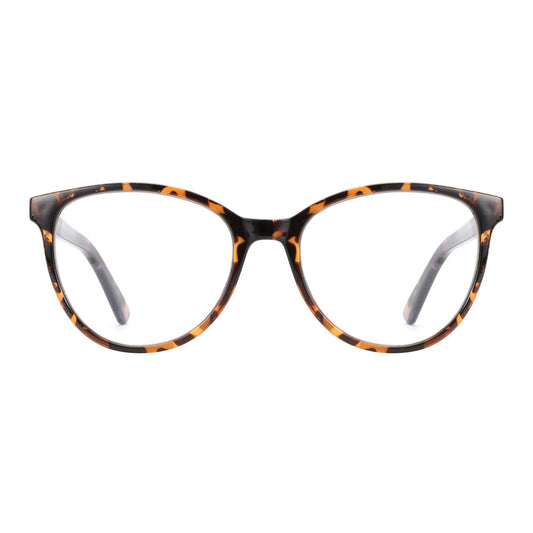
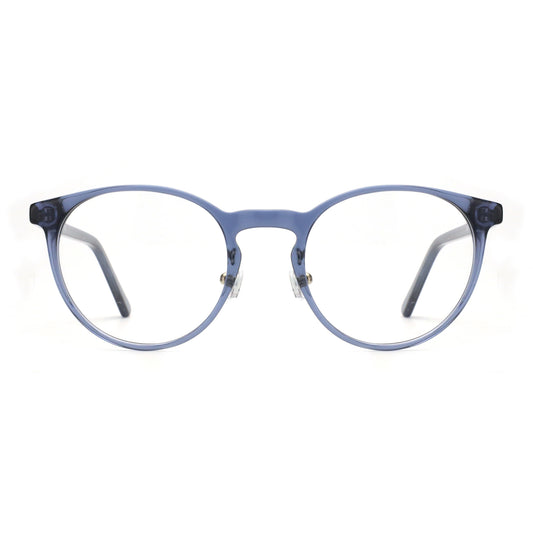
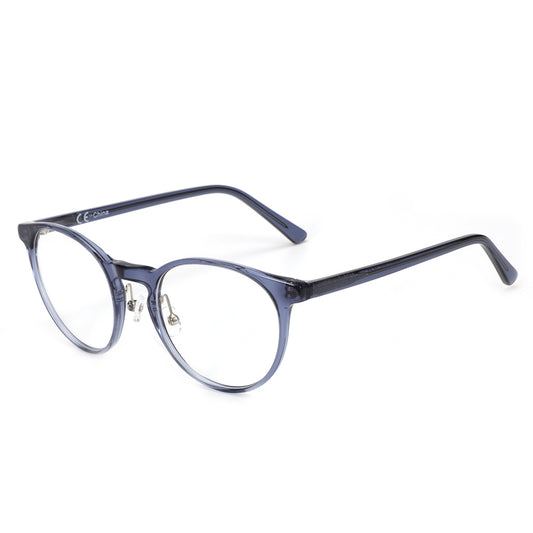
Fast eyewear refers to the trend of treating glasses like fast fashion accessories rather than a single durable medical device. Instead of one expensive pair worn for years, consumers now build collections of affordable frames that serve specific purposes. This approach mirrors how people rotate clothing or shoes for work, exercise, or evenings out.
The rise stems from improved online optical retailers offering quality lenses and frames at lower prices. With options starting under $50, including high-index lenses and protective coatings, multiple pairs become accessible without compromising vision correction. This trend appeals particularly to style-conscious professionals and remote workers who want options for varying daily demands.
Many still view glasses as a one-time purchase due to past experiences with high retail costs. Yet in 2026, the economics have changed. Building an eyewear wardrobe can actually deliver better value through increased usage across scenarios, as explored in guides on the cost per wear strategy for eyewear.
The Practical Risks of Depending on Just One Pair
Relying on a single pair creates vulnerability. If those glasses are lost, broken, or left behind during travel, daily life disrupts until a replacement arrives. A backup pair minimizes this inconvenience, providing peace of mind for commuters or frequent travelers.
Different activities also strain one pair unevenly. Office work involving screens differs from outdoor exercise or evening events. One frame and lens setup rarely optimizes for all. For instance, a dedicated pair for digital use may offer preferences in tint or coating that enhance comfort during long hours, though such choices reflect personal setup rather than universal health fixes.
This risk becomes evident in real scenarios. A professional might need a sleek, professional look for meetings but prefer something bolder for social gatherings. A remote worker could benefit from a specialized screen pair while using another for errands. These situations show why one pair often falls short of modern lifestyles.

How an Eyewear Wardrobe Enhances Everyday Life
An eyewear wardrobe means selecting several pairs that cover key contexts: work, screen time, physical activity, travel backups, and special occasions. This collection approach improves convenience and style versatility.
For working professionals, switching frames between office meetings and after-hours events allows seamless transitions without compromising appearance. Remote workers often dedicate one pair to extended screen sessions, choosing options that suit their setup for reduced perceived strain. Travelers appreciate spares that fit easily in bags, guarding against loss during trips.
Social and weekend settings present another opportunity. Eyewear becomes part of your outfit, much like jewelry or shoes. A bold frame can elevate casual looks, while classic styles suit formal occasions. This flexibility turns glasses into a fashion element rather than purely functional items.
The trend aligns with 2026 consumer behavior. Budget-minded shoppers discover that several affordable pairs often provide more overall utility than one premium option. As this technical guide to high-index lens materials explains, modern lens technology makes quality accessible across price points, supporting versatile collections.
Cost-Per-Wear Analysis: Single Premium vs Multiple Affordable Pairs
Many hesitate due to perceived expense, assuming multiple pairs inflate costs. However, a cost-per-wear calculation often favors building a collection of affordable frames.
Consider a single high-end pair costing $300 worn daily versus four affordable pairs at around $50 each. The premium pair might seem economical initially, but spreading its cost across limited use cases raises the effective price per wear. Multiple pairs distribute usage, lowering the per-occasion cost while adding functionality.
Here is an illustrative comparison:
Illustrative Cost-per-Wear Comparison: 1 Premium Pair vs Multiple Affordable Pairs
This chart uses a bounded heuristic model to compare value, not a measured market study.
View chart data
| Category | Approx. yearly cost-per-wear index | Scenario value index |
|---|---|---|
| 1 premium pair | 300 | 55 |
| 3 affordable pairs | 150 | 82 |
| 4 affordable pairs | 100 | 90 |
| 5 affordable pairs | 80 | 92 |
Illustrative model only. Based on the cost-per-wear idea and the provided scenario logic: a single $300 pair worn daily versus 3-5 affordable pairs around $50 each used across different activities. The cost-per-wear index is normalized heuristically for comparison, not a measured statistic. Scenario value index reflects qualitative benefits such as backup risk reduction, activity-specific fit, and easier switching across work, screen, and outdoor settings.
This heuristic model demonstrates how scenario value rises with additional pairs suited to specific uses, while the effective cost index drops. The numbers represent relative comparisons only, not precise measurements. Real results depend on your usage patterns and choices.
For those exploring options, resources like how to read your eye prescription ensure accurate ordering across multiple pairs.
Choosing Affordable Pairs Without Compromising Quality
Building a collection requires attention to fit, lens quality, and durability. Price alone does not determine success. Proper frame fit prevents discomfort, while accurate prescriptions maintain vision clarity across all pairs.
Start by identifying your primary needs. Select versatile shapes that complement your face using guidance from the ultimate face shape guide for 2026. Consider high-index lenses for thinner profiles in stronger prescriptions, as detailed in technical standards.
Prioritize features based on use. Blue light filtering options may appeal for screen-heavy days, though benefits relate more to setup comfort than guaranteed strain elimination. Check for anti-reflective coatings and durable materials like TR90 or acetate that withstand regular wear.
Online retailers now provide virtual try-on tools and satisfaction guarantees, reducing risk. Test pairs in your actual environments to confirm comfort and performance. This hands-on approach helps avoid regret from poor choices.
A practical checklist includes:
- Verify prescription accuracy for each pair
- Assess frame fit for all-day comfort
- Match lens features to primary activities
- Ensure style versatility across your wardrobe
- Calculate projected cost-per-wear for planned usage
Common Concerns About Fast Eyewear Addressed
Skeptics worry that frequent purchases lead to lower durability or wasted money on rarely used frames. Quality affordable options counter this when selected thoughtfully. Many frames now use robust materials that hold up well despite lower price points.
The key lies in intentional curation rather than impulse buying. Focus on pairs that address genuine gaps in your current setup. A dedicated exercise pair or travel backup sees regular rotation, maximizing value.
Concerns about eye health also arise. While multiple pairs allow better matching to activities, they do not replace professional care. This article discusses comfort and setup preferences only. It does not constitute medical advice, diagnosis, or treatment. Consult qualified eye care professionals for persistent discomfort or existing conditions.
Fast eyewear represents a practical evolution, not a replacement for durable favorites. Many maintain one premium pair alongside affordable options for balance.
When One Pair Still Makes Sense
Not everyone needs a full wardrobe. Those with minimal prescription changes, simple lifestyles, or strong attachment to one favorite frame may prefer investing in a single high-quality option. Durability priorities or specific medical requirements can also favor fewer pairs.
If your daily routine stays consistent without much switching between settings, one well-chosen pair suffices. Budget constraints or preference for premium materials might outweigh variety benefits. The decision ultimately depends on personal circumstances and how glasses integrate into your routine.
Building Your First Eyewear Wardrobe in 2026
Begin small with three to four pairs addressing core needs: everyday wear, screen time, backup, and a style statement piece. Shop collections offering consistent quality to simplify decisions.
Explore affordable women's prescription glasses or men's blue light blocking options to start. Individual frames like Zenottic Eugene provide lightweight versatility, while Zenottic Barnett suits square styles.
Consider blue light blocking glasses for digital comfort or check flash sale for value. Pair with insights from progressive lenses online savings if needed.
Track usage over months to refine your collection. Many find the psychological shift liberating, treating eyewear as an evolving personal style element.
This trend toward fast eyewear reflects broader changes in consumer goods. Glasses now blend function, fashion, and convenience in ways that make single-pair ownership feel limiting for many. By thoughtfully expanding your options, you gain practicality, style, and backup security that one pair cannot match.
Eye Comfort and Health Boundary Statement
This article focuses on comfort, setup advice, and style considerations for eyewear choices. It does not provide medical advice, diagnosis, or treatment. Multiple pairs may support different preferences but do not guarantee reduced eye strain or health benefits. For any persistent discomfort, vision changes, or existing eye conditions, consult a qualified eye care professional.
