



Computer Vision Syndrome (CVS): Symptoms and How Blue Light Glasses Can Help
Computer Vision Syndrome (CVS), also known as digital eye strain, describes a group of eye and vision-related problems that result from prolonged computer, tablet, and smartphone use. As digital integration in our daily lives increases, many individuals experience significant discomfort after staring at screens for hours. Understanding the symptoms and implementing corrective measures, such as using specialized eyewear, can greatly improve visual comfort. This article explores the causes of digital strain and how modern optical solutions provide relief.

What Is Computer Vision Syndrome (CVS)?
Computer Vision Syndrome is not a single eye disease but rather a term encompassing various types of eye strain and pain experienced by digital device users. Unlike reading a printed page, digital screens often have less contrast between the characters and the background. Additionally, the presence of glare and reflections can make viewing more difficult, forcing the eyes to work harder to maintain focus.
The visual demands of computer work are unlike those associated with most other daily activities. When viewing a screen, the eyes must constantly refocus and reposition. This repetitive motion, combined with the harsh light emitted by monitors, places significant stress on the ciliary muscles within the eye. Over time, this results in the condition we identify as CVS. It is estimated that a large percentage of office workers suffer from at least some degree of digital strain.
The severity of CVS symptoms often depends on the duration of screen exposure and the presence of underlying vision problems. Individuals with uncorrected farsightedness or astigmatism may find their symptoms significantly worsened during digital tasks. Because we tend to blink less frequently when focused on a screen—up to 66% less than normal—the surface of the eye dries out quickly, leading to irritation and a breakdown in visual clarity.
Identify the Common Symptoms of Digital Eye Strain
The symptoms associated with CVS can be categorized into ocular discomfort, visual disturbances, and physical pain in surrounding muscle groups. Recognizing these signs early is the first step toward achieving computer vision syndrome relief and preventing long-term discomfort.
Physical Eye Discomfort
One of the most frequent complaints is a sensation of burning or itching in the eyes. This is usually caused by the lack of blinking mentioned earlier, which prevents the natural tear film from being replenished. Users may also experience "heavy eyelids" or a feeling that they cannot keep their eyes open comfortably. Redness and general irritation are also common indicators that the eyes are being overexerted by artificial light sources.
Visual Distortions and Blurring
Blurred vision can occur during screen use or after looking away from the monitor. This happens because the eyes become "locked" into a specific focal distance, making it difficult to adjust to viewing objects further away. In some cases, double vision may occur as the muscles responsible for coordinating the eyes become fatigued. Many professionals who perform blue light blocking glasses for computer work notice that these visual distortions become more pronounced toward the end of the afternoon.
Secondary Symptoms Like Headaches and Neck Pain
CVS often manifests in areas beyond the eyes. Chronic headaches, particularly behind the eyes or at the temples, are a hallmark of visual fatigue. Furthermore, many people subconsciously lean forward or tilt their heads to see the screen more clearly, leading to significant neck and shoulder tension. These musculoskeletal issues are intrinsically linked to how our eyes interact with our digital environment and often require a holistic approach to resolve.
How Do Blue Light Blocking Glasses for Computer Use Help?
Modern technology has introduced specialized lenses designed to filter out the most taxing parts of the light spectrum. Many people now utilize blue light blocking glasses for computer use to create a more comfortable viewing experience throughout the workday.
Reduce High-Energy Visible (HEV) Light Exposure
Digital screens emit a significant amount of high-energy visible light, often referred to as blue light. This light has a shorter wavelength and scatters more easily than other colors, creating "visual noise" that reduces contrast. Lenses designed for blue light blocking glasses for computer use feature coatings that absorb or reflect a portion of this HEV light. By reducing the amount of blue light hitting the retina, these glasses help minimize the constant micro-adjustments the eyes must make to stay focused.
Enhance Contrast and Visual Clarity
Beyond simply filtering light, these glasses often feature a slight amber or yellow tint. This tinting helps to improve the contrast on the screen, making text appear sharper against the background. This allows the eyes to relax, as they do not have to struggle to distinguish fine details. Users who wear blue light blocking glasses for computer work frequently report that the "harshness" of the screen is softened, leading to fewer headaches and less general fatigue by the end of the shift.
Find Computer Vision Syndrome Relief at Home and Work
While eyewear is a powerful tool, it is most effective when combined with lifestyle and environmental adjustments. Achieving lasting computer vision syndrome relief requires a multi-faceted approach to how you manage your workspace and your habits.
Follow the 20-20-20 Rule
This is one of the simplest yet most effective methods for reducing eye strain. Every 20 minutes, you should look at something at least 20 feet away for at least 20 seconds. This allows the focusing muscles inside your eyes to relax and resets your blinking rate. Setting a timer on your phone or using a desktop app can help you stay consistent with this practice.
Optimize Your Workstation Ergonomics
The physical setup of your desk plays a massive role in eye health. Your monitor should be positioned about 20 to 28 inches away from your face, which is roughly an arm's length. The top of the screen should be at or slightly below eye level. This ensures that you are looking slightly downward, which keeps the eyelids lower and reduces the surface area of the eye exposed to air, thereby slowing down tear evaporation.

Adjust Screen Settings and Lighting
Glare from windows or overhead lights can significantly increase eye strain. Use drapes or blinds to control natural light, and try to position your monitor so that windows are to the side rather than in front of or behind you. Additionally, adjust your screen’s brightness so it matches the surrounding room lighting. If your screen looks like a light source in a dark room, it is too bright; if it looks dull or grey, it may be too dark.
Use Proper Hydration for Your Eyes
Maintaining the tear film is essential for comfort. If your workspace is particularly dry due to air conditioning or heating, consider using a humidifier. Over-the-counter lubricating eye drops, often called "artificial tears," can provide immediate computer vision syndrome relief by replenishing moisture. It is important to choose preservative-free drops if you plan to use them more than four times a day to avoid further irritation.
Choose Anti Blue Light Eyeglasses for Daily Wear
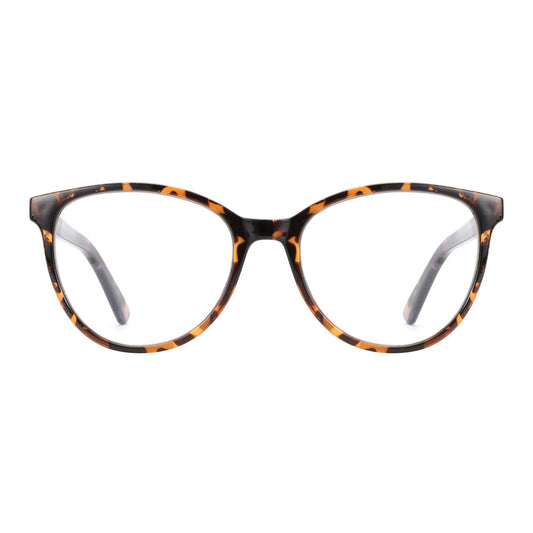
For those who spend time both in the office and on their phones at home, choosing anti blue light eyeglasses can provide a consistent level of protection. These glasses have evolved from bulky laboratory gear into stylish accessories suitable for all environments.
Some anti blue light eyeglasses have a clear coating that reflects light, while others use a pigment infused directly into the lens material. If you are a graphic designer or photographer who needs high color accuracy, you might prefer a clear coating. However, for those primarily focused on data entry or administrative work, a slightly tinted lens may offer superior comfort by blocking a higher percentage of the blue light spectrum.
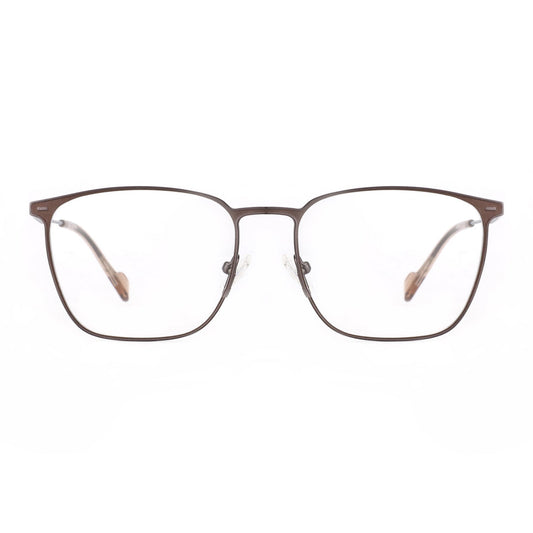
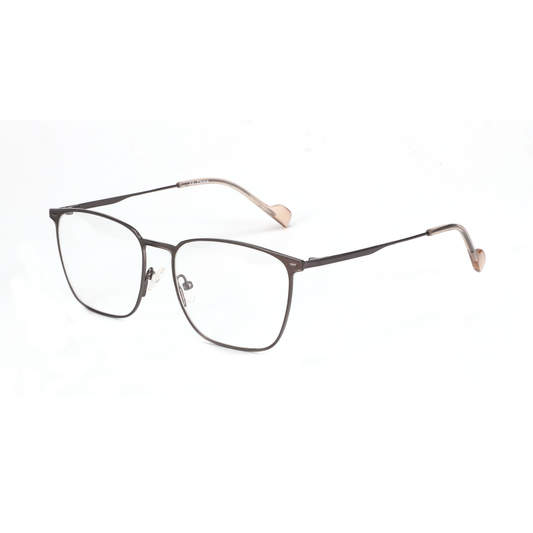
If you plan to wear your glasses for eight hours or more, the frame material is crucial. Lightweight materials like acetate or titanium are often preferred because they do not put excessive pressure on the bridge of the nose or behind the ears. Ensuring that your anti blue light eyeglasses fit properly prevents you from constantly adjusting them, which can be a distraction and may even lead to skin irritation over long periods of use.
Are There Disadvantages of Blue Light Glasses?
While many users find significant benefits, it is important to understand the potential disadvantages of blue light glasses to have realistic expectations. They are not a "cure-all" for vision problems, and their efficacy can vary based on the individual.
Because these lenses are designed to filter out blue light, they can subtly shift the way you perceive colors. Lenses with a stronger yellow tint will make the world appear warmer. While this is helpful for reading text, it can be one of the disadvantages of blue light glasses for professionals who require perfect color matching, such as digital painters or video editors. In these cases, choosing a lens with a lower filtration percentage may be necessary.
Some users may believe that wearing these glasses allows them to skip other healthy habits, such as taking breaks. One of the primary disadvantages of blue light glasses is the "false sense of security" they might provide. If an individual continues to sit with poor posture or in a dark room for twelve hours, glasses alone cannot prevent the physical symptoms of CVS. They should be viewed as a supplementary tool rather than a total replacement for good digital hygiene and regular eye exams.
Protect Your Eyes From Screens
Managing Computer Vision Syndrome is essential in our screen-centric world. By combining the use of blue light blocking glasses for computer use with ergonomic adjustments and regular breaks, most people can find significant relief from digital eye strain. While there are some minor disadvantages of blue light glasses, the comfort they provide often outweighs the drawbacks. Prioritizing your visual health today will ensure that your productivity and well-being remain intact as technology continues to evolve.
FAQs about blue light glasses
Can I wear blue light glasses all day?
Yes, you can wear them throughout the day without any harmful side effects to your eyes. Many people choose to wear their anti blue light eyeglasses from morning until night, especially if they transition frequently between computer screens, smartphones, and tablets. However, some users prefer to take them off when they are outdoors or away from digital devices.
Do blue light glasses actually work for eye strain?
Yes, for many individuals, they provide noticeable relief. By filtering out high-energy visible light and improving screen contrast, they reduce the workload on the eyes' focusing muscles. While they may not solve underlying medical issues, they are a practical tool for mitigating the specific stressors associated with long-term digital device use.
Are there any disadvantages of blue light glasses for children?
No, there are no known physical risks. However, one of the potential disadvantages of blue light glasses for children is that parents might worry less about their child's total screen time. It is still vital to encourage children to play outdoors and take frequent breaks, regardless of whether they are wearing protective eyewear.
Will blue light glasses help me sleep better?
Yes, they may contribute to better sleep hygiene. Exposure to blue light in the evening can suppress the production of melatonin, the hormone responsible for sleep. By wearing blue light blocking glasses for computer work or phone use in the evening, you may help your body maintain its natural circadian rhythm, making it easier to fall asleep after screen exposure.

Do I need a prescription for blue light glasses?
No, you do not necessarily need a prescription. Many anti blue light eyeglasses are available with "plano" lenses, which have no magnifying power. However, if you already wear prescription glasses, most opticians can add a blue light blocking coating to your existing prescription lenses for a more integrated solution.
