




Screen Time Rules for Kids: Protecting Developing Eyes in the Digital Age
In today’s digital landscape, children are exposed to screens earlier and more frequently than previous generations. From educational apps to social media, digital devices are integral to modern childhood. However, prolonged exposure to high-energy visible (HEV) light and close-range viewing can impact visual health. This guide explores practical strategies for kids screen time eye protection, including the use of blue light blocking glasses for phone and tablet use, ensuring your child’s eyes remain healthy as they grow.

How Does Excessive Screen Time Affect Children's Eyes?
Children’s eyes are still developing, making them more sensitive to environmental factors than adult eyes. When kids spend hours staring at monitors or handheld devices, several physiological changes can occur. Understanding these impacts is the first step in implementing effective kids screen time eye protection strategies.
Digital Eye Strain and Fatigue
Digital eye strain, or computer vision syndrome, is a common result of prolonged screen use. Children often become so engrossed in their games or videos that they forget to blink. Blinking is essential for spreading moisture across the surface of the eye. A reduced blink rate leads to dryness, irritation, and a "gritty" sensation. Furthermore, the constant effort required to focus on a near object can overwork the ciliary muscles, leading to headaches and blurred vision.
The Risk of Myopia Progression
Recent studies have suggested a correlation between increased "near work"—such as looking at screens—and the rising rates of myopia (nearsightedness) in children. When a child’s eyes are constantly focused on something just a few inches away, it may signal the eye to grow longer, which is the physical cause of myopia. While genetics play a role, environmental factors like excessive screen time and a lack of outdoor light are significant contributors to this global health trend.
Disruptions to Sleep Cycles
Screens emit a specific wavelength of light known as blue light. This light suppresses the production of melatonin, the hormone responsible for regulating sleep. When children use devices late in the evening, their brains receive signals that it is still daytime. This can lead to difficulty falling asleep, poor sleep quality, and subsequent daytime irritability or lack of focus in school.
Dry Eyes and Reduced Blink Rate
Under normal conditions, a person blinks about 15 to 20 times per minute. When focusing on a digital screen, this rate can drop by half or more. For children, whose tear films are still stabilizing, this leads to rapid evaporation of moisture. Chronic dry eye in childhood can cause long-term discomfort and may require medical intervention if not addressed through behavioral changes and protective gear.
Set Healthy Screen Time Rules for Kids
Establishing clear boundaries is the most effective way to manage the risks associated with digital devices. Rules should be consistent and age-appropriate to ensure they are followed without constant conflict.
Follow the 20-20-20 Rule
One of the simplest yet most effective rules for kids screen time eye protection is the 20-20-20 rule. Every 20 minutes, the child should look at something at least 20 feet away for at least 20 seconds. This practice allows the focusing muscles inside the eye to relax. You can set a physical timer or use parental control apps that temporarily lock the screen to remind them to take this essential break.
Age-Based Time Limits
Health organizations often recommend specific limits based on a child’s developmental stage. For children aged 2 to 5, screen time should generally be limited to one hour of high-quality programming per day. For school-aged children, the focus should be on balancing screen use with other activities. It is important to distinguish between "passive" screen time, like watching cartoons, and "productive" screen time, such as coding or interactive learning.
Prioritize Outdoor Play
Spending time outdoors is one of the best ways to counteract the effects of screen time. Natural sunlight triggers the release of dopamine in the retina, which may help prevent the eye from elongating too much. Aim for at least 90 to 120 minutes of outdoor activity daily. This not only provides a break from screens but also encourages "distance vision," which is a vital part of healthy eye development.
Device-Free Zones and Times
Create physical and temporal boundaries for technology. For example, many parents implement a "no screens at the dinner table" rule to encourage social interaction. More importantly, all screens should be turned off at least one hour before bedtime. Removing tablets and phones from the bedroom ensures that children are not tempted to browse the internet in the dark, which is particularly taxing on the eyes.
Ensure Kids Screen Time Eye Protection at Home
The environment in which a child uses a device is just as important as the duration of use. By optimizing the physical setup, you can significantly reduce the strain on their developing visual systems.
Optimize Ambient Lighting
Avoid using digital devices in a dark room. When the screen is the only light source, the high contrast forces the eyes to work harder. Ensure the room is well-lit, preferably with soft, indirect sunlight or warm indoor lighting. Position the screen so that windows are to the side rather than directly in front of or behind the child, which helps prevent distracting glares.
Maintain Proper Viewing Distance
The distance between the eyes and the screen matters. For desktop computers, the screen should be about an arm’s length away. For tablets and phones, children often have a habit of holding them very close to their faces. Encourage them to keep the device at least 12 to 15 inches away. A simple way to teach this is the "Harmon Distance"—the distance from the knuckle to the elbow.
Adjust Screen Settings
Most modern devices come with built-in features to reduce eye strain. You can increase the text size so the child doesn’t have to lean forward to read. Additionally, lowering the brightness to match the surrounding light level and using "Night Mode" or "Blue Light Filters" in the software settings can provide a baseline of protection. However, software filters often change the color balance significantly, which is why many parents prefer glasses with blue light filters for a more consistent visual experience.
Ergonomic Seating Arrangements
Poor posture can lead to neck and shoulder pain, which indirectly affects visual comfort. Ensure the child is sitting in a chair that supports their back, with their feet flat on the floor. The top of the screen should be at or slightly below eye level. This positioning reduces the strain on the neck muscles and helps maintain a natural downward gaze, which exposes less of the eye's surface area to the air, reducing dryness.
Why Buy Childrens Blue Light Blocking Glasses?
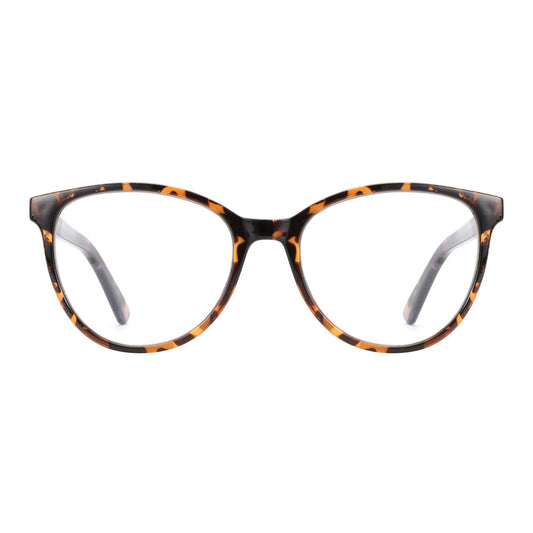
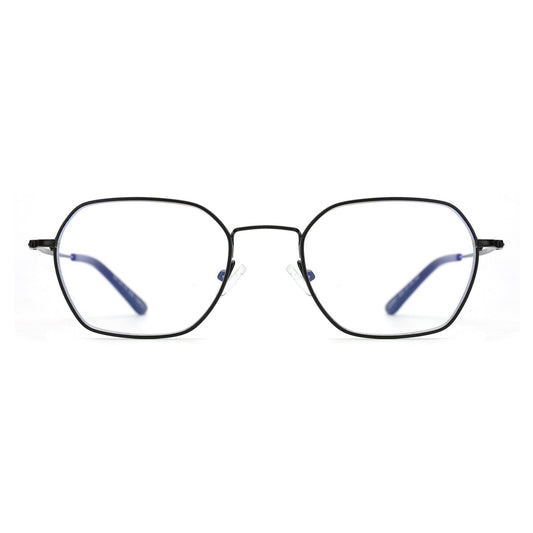
While behavioral changes are foundational, specialized eyewear offers a physical barrier against the stressors of the digital world. Many parents find that childrens blue light blocking glasses are a practical addition to their child's health toolkit.
Filtering High-Energy Visible (HEV) Light
Digital screens emit high levels of blue light, which has a shorter wavelength and higher energy than other colors in the visible spectrum. Because children’s lenses are more transparent than those of adults, more of this light reaches the retina. Quality childrens blue light blocking glasses are designed to absorb or reflect a portion of these HEV rays, potentially reducing the long-term risk of retinal exposure and helping the eyes feel less "wired" after a long session of study.

Enhancing Visual Comfort During Homework
When children are working on digital assignments, they need to maintain focus for extended periods. Childrens blue light blocking glasses can help increase the contrast on the screen, making text appear sharper and reducing the need for the eyes to constantly readjust. This can lead to improved concentration, as the child is not distracted by the physical discomfort of itchy or tired eyes.
Developing Long-Term Protective Habits
Introducing protective eyewear at a young age teaches children that their health is a priority. Just as they wear helmets while biking or sunblock at the beach, wearing glasses with blue light filters becomes a standard safety habit. These glasses are often made with durable, flexible frames designed specifically for active kids, ensuring they are comfortable enough for all-day wear during school or play.
Use Blue Light Blocking Glasses for Phone and Tablet Use
Handheld devices present unique challenges because they are used closer to the eyes and often in various lighting conditions. Whether your child is playing a game or video chatting with grandparents, using blue light blocking glasses for phone use is a targeted way to mitigate risks.
Close-Range Viewing Challenges
Because phones are small, children naturally hold them closer than a book or a laptop. This proximity increases the intensity of light entering the eye. By wearing blue light blocking glasses for phone activities, children have a constant filter that moves with them, regardless of how they tilt the device. This is particularly helpful for younger children who may not yet have the discipline to maintain a proper viewing distance.
Protection During Mobile Gaming
Mobile games are designed to be fast-paced and visually stimulating, featuring bright colors and rapid movement. This high-intensity visual input can be exhausting for a child's eyes. Protective eyewear helps by dampening the "flicker" effect and harshness of the screen colors. When kids wear these glasses during gaming sessions, they are less likely to experience the "washed out" vision or headaches that often follow intense digital play.
Pre-Bedtime Digital Activity
While the best rule is no screens before bed, there are nights when a quick check-out or an e-book is unavoidable. In these instances, blue light blocking glasses for phone use can act as a secondary defense. By filtering out the specific blue wavelengths that inhibit melatonin, these glasses help minimize the disruption to the child's internal clock, making it easier for them to transition from screen time to sleep.
Choose Anti Blue Light Anti Glare Glasses for E-Learning
The rise of virtual classrooms means children are now spending several hours a day in front of laptops or tablets for formal education. For this environment, anti blue light anti glare glasses are often the best choice to ensure sustained focus.
Reducing Reflections from Bright Screens
Classroom settings or home study areas often have overhead fluorescent lights or windows that create reflections on the screen. This glare forces the eye to strain to see the content beneath the reflection. High-quality anti blue light anti glare glasses feature a specialized coating that allows more light to pass through the lens while eliminating bounce-back reflections. This results in a much clearer image and less squinting during lessons.
Improving Concentration and Focus
If a child's eyes are uncomfortable, their attention span will naturally shorten. Digital fatigue can manifest as fidgeting, rubbing the eyes, or a loss of interest in the lesson. By providing anti blue light anti glare glasses, you remove the physical barrier of eye strain. When the visual input is clear and comfortable, students can devote more of their mental energy to the subject matter rather than struggling with a blurry or overly bright monitor.
Supporting Multi-Screen Interaction
Modern e-learning often involves looking back and forth between a computer screen, a tablet, and physical textbooks. This constant change in focal distance and light intensity can be taxing. Wearing glasses with blue light filters that also feature anti-reflective properties helps the eyes transition more smoothly between different light sources. This versatility makes them an essential tool for the modern "phygital" (physical and digital) learning environment.
Protect Your Child’s Eyes Today
Protecting a child's vision in a tech-heavy world requires a combination of smart habits and the right equipment. By setting firm screen time rules, optimizing the home environment, and utilizing anti blue light anti glare glasses, you can safeguard your child's developing eyes. While technology is a vital part of their education and social life, a proactive approach to eye health ensures they can enjoy the digital age without compromising their long-term visual well-being.
FAQs about kids' blue light glasses
Do kids really need blue light blocking glasses?
Yes, they can be very beneficial, especially for children who spend more than two hours a day on digital devices. Since children's eyes do not filter blue light as effectively as adult eyes, childrens blue light blocking glasses provide an extra layer of protection against digital eye strain and sleep disruption. They are a practical tool to supplement healthy screen habits.
Can blue light glasses prevent myopia in children?
No, glasses alone cannot prevent myopia, as nearsightedness is influenced by genetics and a lack of outdoor light. However, they do help reduce the symptoms of digital eye strain and can make "near work" more comfortable. To effectively lower the risk of myopia, parents should combine the use of glasses with blue light filters with increased time spent outdoors in natural sunlight.
Are there any side effects to children wearing blue light glasses?
No, there are no known negative physical side effects to wearing non-prescription blue light glasses. They function similarly to standard glasses but with a specialized coating or lens tint. It is important, however, to ensure the frames fit properly so they do not cause pressure points on the nose or behind the ears, which is why choosing high-quality childrens blue light blocking glasses is essential.
Should my child wear these glasses all day?
Not necessarily. While it is not harmful to wear them all day, they are most effective during periods of screen use. Your child should wear anti blue light anti glare glasses primarily when using computers, tablets, or phones. When they are playing outdoors or engaging in non-digital activities, they do not need the filters, as natural exposure to full-spectrum light is important for development.

How do I know if the glasses are working?
You can usually tell the glasses are working if your child reports fewer headaches, less eye rubbing, or if they seem less restless after using their devices. Additionally, you may notice an improvement in their sleep patterns if they use blue light blocking glasses for phone use in the early evening. Improved focus during e-learning sessions is also a common sign of reduced visual fatigue.
