




After-Hours Screen Time: The Best Glasses for Evening Digital Work
If you regularly push work into the evening, the combination of low ambient light and bright screens can make your eyes feel more tired and your wind-down routine harder. The most practical step for many remote workers is choosing glasses that prioritize clarity and modest anti-glare or mild filtering rather than heavy tint, paired with simple setup changes that address glare and brightness first.

Evening screen sessions differ from daytime office work in one key way: lower room light makes screen glare and brightness contrast more noticeable. This can increase the feeling of fatigue even if the total hours are the same. For freelancers and hybrid professionals handling coding, writing, calls, or creative tasks after sunset, the right eyewear can support visual comfort without forcing major color or clarity compromises.
Why Evening Screen Use Feels Different
During the day, natural light and office fixtures reduce the relative brightness of monitors. After hours, many home offices rely on a single lamp or screen glow. This heightens perceived harshness and can make it feel harder to relax afterward. Long stretches of screen work can leave your eyes feeling tired, dry, or strained, according to guidance from eye-care organizations.
This American Academy of Ophthalmology overview explains common symptoms of digital eye strain and notes that while devices do not cause permanent damage, extended use often leads to temporary discomfort that varies by person and environment.
Late-evening screen time may make it harder for some people to wind down before bed. However, glasses alone do not guarantee better sleep; the effect depends heavily on overall habits, screen brightness, and room lighting.
What Evening Digital Wellness Glasses Actually Do
Most options in this category combine lightweight frames, anti-reflective coatings, and optional blue-light filtering. The goal is not to block all blue light but to reduce glare and soften the brightest parts of the display so the eyes do not have to work as hard to maintain focus.

Blue-light filtering glasses are not a guaranteed fix for eye strain. Research reviews consistently show that while they can change the subjective experience for some users, the measurable benefit is often modest compared with adjusting screen settings, taking breaks, and improving ambient light.
For prescription users, the best approach is usually to incorporate filtering or anti-glare coatings directly into corrective lenses rather than wearing an extra pair. This keeps vision sharp at intermediate distances typical for monitors and laptops.
Key Features That Matter for Night Work
When evaluating glasses for late screen sessions, focus on these practical elements:
- Anti-reflective (AR) coating: Reduces glare from overhead lights or multiple monitors, often providing more noticeable relief than tint alone.
- Lens clarity and Abbe value: Higher Abbe numbers (found in materials like MR series resins) minimize chromatic aberration, keeping text and interfaces crisp.
- Mild filtering vs. strong tint: Clear or lightly filtered lenses preserve color accuracy for video calls, spreadsheets, and design reviews. Stronger tints can feel more relaxing in very dim rooms but risk making whites look yellow or dull.
- Frame comfort for long wear: Lightweight acetate or flexible temples prevent pressure when paired with over-ear headphones during late calls or focus music.
- Prescription compatibility: High-index lenses (1.67 or 1.74) keep thick prescriptions thin and light for all-day-to-evening use.
These features align with technical standards such as ANSI Z80.1 and ISO 8980 for optical quality and durability.
Scenario-Based Lens Choices for Evening Work
The best choice often depends on your specific tasks. A practical framework helps avoid buying a lens that feels great for one activity but frustrating for another.
Coding or document work in dim light: A clear or very light-tint lens usually supports comfort without making small text appear off. Switch to modest filtering only if glare remains after lowering screen brightness.
Video calls and meetings: Prioritize minimal tint so skin tones and shared screens look natural. Anti-glare coatings tend to deliver more benefit here than heavy filtering.
Creative design or color-sensitive tasks: Clear lenses are almost always preferable. Even mild tint can shift hue perception enough to affect client approvals or photo editing.
General late-night work with noticeable fatigue: If you have already adjusted room lighting and monitor settings but still feel strain, a comfort-oriented lens with mild filtering can be a reasonable addition.
Use this self-check before purchasing: Can you still read small text comfortably without the screen looking warm, dull, or tinted? Do color shifts affect real decisions in your workflow?
Trade-offs and When Stronger Filtering Crosses the Line
Stronger blue-light filtering can make screens feel less harsh in very low light, but it often reduces color accuracy and text crispness. The hidden cost appears most clearly in mixed workflows or when you already run dim displays: the lens may trade one annoyance for another.
Practical threshold: Mild filtering fits most text-based evening work. Move to stronger options only if glare is the dominant complaint and your tasks do not require precise color or high contrast.
Do not buy specialized evening glasses if:
- You need prescription correction and cannot incorporate filtering into your regular lenses.
- Your work involves photo, video, or color-critical review where even slight shifts matter.
- The main issue is room lighting, reflections, or poor monitor ergonomics that glasses cannot fix.
- You expect the glasses to eliminate strain or reliably protect sleep without changing other habits.
For many freelancers, the smarter first step is optimizing the setup—lowering brightness, adding bias lighting behind the monitor, and following the 20-20-20 rule—before adding eyewear.
Recommended Glasses Types for After-Hours Use
For most remote workers, start with versatile computer glasses that offer anti-glare and optional mild blue-light filtering. These can be worn comfortably from afternoon deep-work sessions into evening deadlines.
Our blue light blocking collection includes lightweight options with AR coatings that perform well in mixed lighting. Many frames accept prescription lenses, making them suitable for corrected vision without stacking pairs.
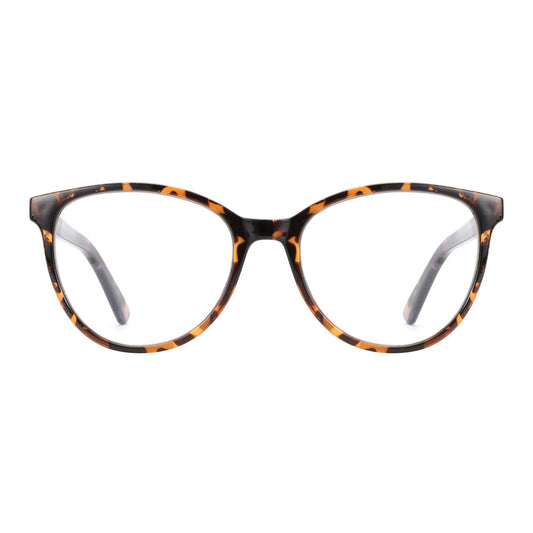
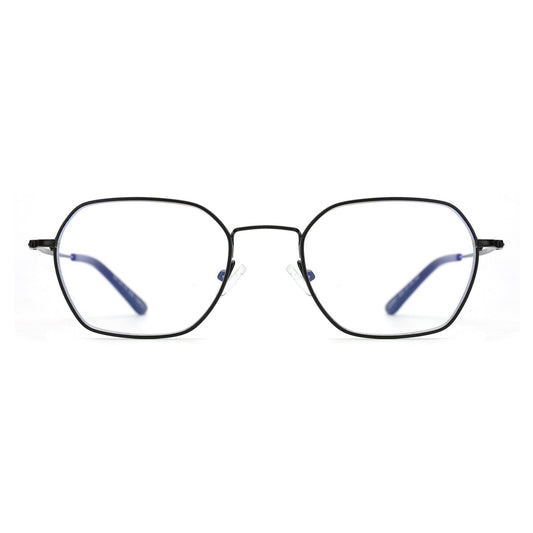
The Zenottic Trevor pairs 1.74 high-index lenses with blue-light filtering, keeping weight low even for higher prescriptions. Its clean design works for both professional calls and late-night coding.
For those who prefer classic styling, the Zenottic Howard delivers sturdy acetate construction and UV protection alongside practical screen features. Users who wear over-ear headphones often appreciate its low-profile temples.
If you need maximum versatility across day and night, consider our acetate frames collection. These can be configured with different lens treatments so one pair handles everything from morning emails to evening creative work.
Compare these against your typical evening tasks. A single well-chosen pair with the right coatings usually outperforms multiple specialized pairs that get swapped constantly.
How to Choose and Test in Your Own Setup
Before buying, run this quick checklist:
- Identify your most common evening tasks (text, calls, design, mixed).
- Check current room lighting and screen brightness—can you reduce contrast without losing readability?
- Decide whether you need prescription integration or can use non-prescription options.
- Test tolerance for any tint by viewing sample images or your usual software in a store or with a return policy.
- Confirm the frames feel comfortable for at least two hours alongside headphones if you use them.
This buyer checklist turns abstract features into concrete checkpoints you can verify at home. Remember that glasses support comfort but do not replace good ergonomics, regular breaks, or proper lighting.
Important note on health and comfort claims: This article discusses visual comfort and practical setup advice for evening screen use. It does not constitute medical advice, diagnosis, or treatment. Glasses cannot treat eye disease or guarantee prevention of digital eye strain. If you experience persistent discomfort, headaches, or have existing eye conditions, consult a qualified eye-care professional.
Making the Decision for Your Late-Night Workflow
For most remote workers and freelancers, the biggest gains come from combining modest anti-glare or lightly filtered lenses with better evening lighting and screen habits. Heavy filtering can feel relaxing in very specific dim-room scenarios but often introduces color and clarity trade-offs that outweigh the benefit for color-sensitive or precision work.
The evidence shows that comfort depends heavily on individual setup, task type, and expectations. Start with practical changes to your environment, then add prescription-compatible glasses only if they address a remaining gap. This measured approach usually delivers better all-around results than chasing stronger filters alone.
By focusing on clarity, fit, and real workflow needs rather than marketing claims, you can select eyewear that supports productive evenings without compromising the quality of your work or the ease of your wind-down routine.
References
- Digital Devices and Your Eyes
- Technical guidance on high-index lens materials and optical standards (Zenottic authoritative resource)
- Practical heuristics drawn from user-reported evening work patterns and lens performance data
