



Low Bridge Fit Glasses: Trendy Frames That Stay Put
If your chunky acetate frames keep sliding down or resting uncomfortably on your cheeks, low bridge fit glasses can provide a more secure and higher seating position tailored to lower nose bridges and higher cheekbones. These designs help trendy Office Siren and Bayonetta-inspired styles stay put during long office hours, commuting, or screen work without constant readjustment, though real-world results still depend on your exact face proportions, frame width, and lens weight.

What Low Bridge Fit Glasses Actually Mean in 2026
Low bridge fit glasses are engineered to sit more securely on a lower nose bridge and are often a better match for higher cheekbones. As this plain-English definition guide explains, the geometry uses a lower-placed bridge and deeper or better-positioned nose pads so the frame rests higher without pressing into soft tissue or lashes.
The modern shopper term is "low bridge fit." Some older product listings still use "Asian fit" as a synonym, but low bridge fit is the clearer, more inclusive label used across eyewear content today. Both point to the same core idea: adjusted bridge geometry instead of the standard higher and narrower bridge found on most mass-produced acetate frames.
This distinction matters most for fashion-forward acetate styles. Unlike metal frames that let you tweak nose pads, solid acetate usually has fixed pads molded into the frame. When those pads are designed for a standard European or higher bridge, the glasses slide, tilt forward, or rest too low on people with lower nasal bridges.
Why Trendy Acetate Frames Slide So Often
Acetate frames often sit too low or slide because they are built on a standard bridge shape, not a low bridge fit. Chunky styles popular in the Office Siren and Bayonetta aesthetics tend to be heavier and wider, which amplifies the problem when the bridge does not match your face.

Common triggers include a bridge that is too wide for your nose, nose pads that cannot be adjusted, or an overall frame size that is simply too large. This practical fitting guide notes that these factors cause frames to move during normal daily activities like walking, talking, or looking down at a screen.
For office workers and students logging long hours, the constant need to push glasses back up creates distraction and can lead to pressure marks behind the ears or on the nose. Commuting adds sweat and movement that make the issue worse. Many shoppers discover too late that a beautiful pair photographed on a model with different facial structure fails in real life.
Key Features That Make Low Bridge Fit Frames Stay Put
Low-bridge-fit designs often use deeper or better-positioned nose pads and bridge geometry to help the frame sit higher on the face. This reduces cheek contact, minimizes lens-to-lash interference, and improves overall balance.
Nose pads remain one of the most important comfort elements. As the American Academy of Ophthalmology’s overview of eyewear parts points out, nose pads can improve comfort and help the frame feel more secure on the nose. In low bridge versions, these pads are typically larger, set lower on the frame, or molded with extra depth so they grip without digging in.
Temple length and overall frame width also play critical roles. Even procurement specifications for government eyewear list bridge width, temple length, and nose fit as core requirements. Research on parametric eyewear design further supports tailoring frames to individual head-and-face measurements rather than assuming one universal fit.
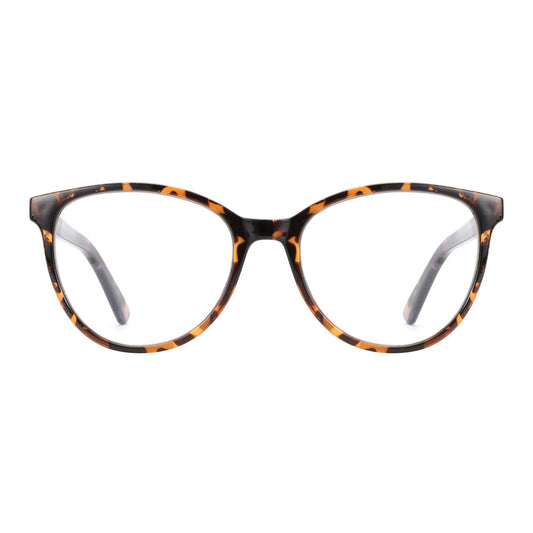
In 2026, many acetate collections now offer dedicated low bridge options in popular shapes: refined cat-eye, small rectangular, geometric, and subtle round frames that capture the intellectual 90s librarian or sleek siren vibe while delivering practical stability.
How to Choose Low Bridge Fit Glasses That Actually Work for You
Opticians use measurements like bridge width and temple length to help select frames that fit properly. When shopping online, look for these details in the product specs and compare them against your own measurements.
A useful self-check checklist includes:
- Measure your bridge width (distance between inner corners of eyes) and compare to the frame’s listed bridge size—low bridge models typically run 14–17 mm versus 18–22 mm on standard frames.
- Check nose pad description for “deep set,” “ergonomic,” or “low bridge” wording.
- Verify total frame width suits your face; too wide and even a low bridge design may still slide.
- Consider lens weight—high prescriptions benefit from lightweight high-index lenses paired with stable low bridge frames.
- Read return policies carefully; virtually try on and test in real lighting and movement before committing.
Low bridge fit improves the odds of a stable fit, but overall comfort still depends on frame width, temple length, and face proportions. No single design guarantees zero adjustment for every activity or every head shape.
Low Bridge Fit vs Standard Frames: Key Fit Dimensions
Typical ranges for comparison (2026 market). Illustrative fit ranges used to compare how bridge width, nose pad position, and temple length affect stability for low nose bridges.
View chart data
| Series | Bridge Width Fit | Nose Pad Height / Deeper Pad Set | Temple Length Fit | Stability on Low Nose Bridge |
|---|---|---|---|---|
| Standard Frames | 3 | 2 | 3 | 2 |
| Low Bridge Fit Frames | 4 | 5 | 4 | 5 |
| Acetate Low Bridge Fit | 3 | 4 | 3 | 4 |
| Metal Low Bridge Fit | 4 | 5 | 4 | 5 |
Based on Vision Council and AAO fit guidance plus a parametric eyewear design paper. Values are illustrative comparison scores mapped from common market ranges: standard bridge about 18–22 mm, low bridge fit about 14–17 mm with deeper nose-pad geometry for a higher sit; acetate is less adjustable than metal, so stability depends more on molded bridge shape than pad adjustment.
This radar chart shows how low bridge fit frames typically score higher on nose pad depth and stability for lower nose bridges compared with standard designs. Acetate low bridge versions trade some adjustability for style, while metal frames often allow fine-tuning.
When Standard Frames Might Still Be the Better Choice
Low bridge fit is not automatically superior for everyone. If you have a higher or more prominent nose bridge, standard frames usually sit more naturally and avoid the overly high placement that can sometimes pinch or look unbalanced.
People who primarily wear lightweight metal frames with adjustable pads can often achieve a custom fit without needing dedicated low bridge geometry. Those with very narrow faces or who prefer ultra-light titanium may find the thicker acetate low bridge options add unnecessary weight.
For active lifestyles involving heavy sweating or rapid head movement, even well-designed low bridge acetate can benefit from additional accessories like a grip strap on the temples. Always consider your full range of use cases rather than style alone.
Practical Buying Tips for 2026 Trendy Low Bridge Styles
Look for collections that explicitly list low bridge or ergonomic nose pad features. Popular shapes this year include refined cat-eye and geometric acetate that echo the Office Siren aesthetic while incorporating modern fit improvements.
Our Office Siren & Bayonetta Glasses: 2025's Hottest Aesthetic breaks down how to style these looks without sacrificing wearability. Pairing them with the right low bridge frame makes the difference between a look you love in photos and one you can comfortably wear all day.
If you struggle with heavy prescriptions, read our guide on How to Stop Heavy High-Prescription Glasses from Sliding Down Your Nose for additional lightweight material and fit strategies that complement low bridge designs.
For extended screen time, consider combining low bridge stability with anti-reflective coatings and intermediate-focus lenses. Our article on Deep Work Eyewear: The Best Glasses for 10-Hour Screen Days explores features that reduce fatigue when you wear glasses for long focused sessions.
Comfort and Fit Disclaimer
This article discusses eyewear comfort and setup advice only. It does not constitute medical advice, diagnosis, or treatment. Fit is highly individual and depends on your unique facial structure, prescription, and usage. If you experience persistent discomfort, headaches, or have existing eye conditions, consult a qualified eye care professional.
Shopping the right low bridge fit can transform how you experience trendy acetate frames. By focusing on bridge geometry, nose pad design, and proper measurements instead of style alone, you increase the chance of finding glasses that look sharp and stay comfortably in place throughout your day. Browse our acetate frames collection or check the latest best selling products that incorporate these practical fit upgrades. With the right pair, you can enjoy the Office Siren or Bayonetta aesthetic without the frustration of sliding or cheek pressure.
When comparing options, remember the core framework: prioritize bridge width and nose pad depth first, then confirm temple length and overall width match your face. Test in your real environments—office lighting, commuting movement, and long screen sessions—before making a final decision. This measured approach helps separate frames that look good online from those that deliver reliable everyday performance.
