



Minimalist Eyewear Trends: The 'Quiet Luxury' Frame Guide
Summary
The "Quiet Luxury" movement in 2026 has redefined eyewear as a medium for subtle self-expression, prioritizing high-quality materials and precision engineering over conspicuous branding. This guide explores the shift toward minimalist frame designs—including ultra-thin titanium wires, rimless architectures, and translucent acetates—that offer a sophisticated, timeless aesthetic. By focusing on technical lens selection and material integrity, users can achieve a premium look that balances understated elegance with modern optical performance.
Key takeaways
- Material Integrity: 2026 trends favor high-grade titanium and specialized polymers that provide strength without the visual bulk of traditional frames.
- Technical Precision: Minimalist frames, particularly rimless styles, require specific lens considerations such as high-index materials and specialized edge treatments to ensure durability.
- Visual Weight: Choosing minimalist eyewear involves understanding how ultra-thin lines interact with facial features, often requiring a different approach than standard frame fitting.
- Maintenance Awareness: Despite their simple appearance, minimalist frames often require more frequent adjustments and specific cleaning protocols to maintain their "invisible" look.
The Rise of Quiet Luxury in 2026 Eyewear
The landscape of fashion has undergone a significant transformation leading into 2026, moving away from the era of "logomania" toward a more refined, understated philosophy known as Quiet Luxury. In the world of optics, this trend manifests as a rejection of oversized shapes and heavy branding in favor of frames that whisper rather than shout. The modern consumer is increasingly looking for different types of eyewear frames that complement their natural features without overwhelming them.
This shift isn't merely aesthetic; it's a reflection of a deeper cultural desire for longevity and authenticity. Quiet luxury eyewear is defined by its "hidden" value—the weight of the titanium, the smoothness of a hand-polished hinge, and the clarity of a high-index lens. It’s about the confidence of knowing you’re wearing something exceptional without needing a gold-plated logo to prove it.
Defining the Minimalist Aesthetic: More Than Just "Thin"
Minimalism in 2026 is often misunderstood as simply "making things smaller." In reality, true minimalist eyewear is an exercise in restraint and engineering. It involves removing every non-essential element until only the most functional and beautiful components remain. This often results in frames that appear delicate but are surprisingly resilient due to advancements in metallurgy and polymer science.
When we discuss benefits of metal frames for minimalist design, we are looking at materials like beta-titanium and stainless steel. These materials allow for "wire-thin" profiles that maintain their shape under pressure. The goal is to create a frame that feels like an extension of the face, providing a clear field of vision while remaining almost imperceptible to the wearer.
Logic Summary: This section defines the scope of minimalism as a balance between engineering and aesthetics. It assumes that the reader is looking for a "premium" feel through material quality rather than brand recognition.
Choosing the Right Minimalist Frame Style
Selecting a minimalist frame requires a nuanced understanding of how different architectures impact your overall look. While the goal is an understated appearance, the specific style you choose will dictate the "vibe" of your quiet luxury ensemble.
Rimless Designs: The Ultimate Understated Choice
For those seeking the most invisible look possible, a rimless eyewear collection is the gold standard. By eliminating the frame around the lens entirely, these glasses allow the wearer's eyes to remain the focal point. In 2026, rimless designs have evolved to include "compression mounting" systems that eliminate the need for visible screws, further enhancing the clean aesthetic.
Thin Metal Wires: Titanium and Beyond
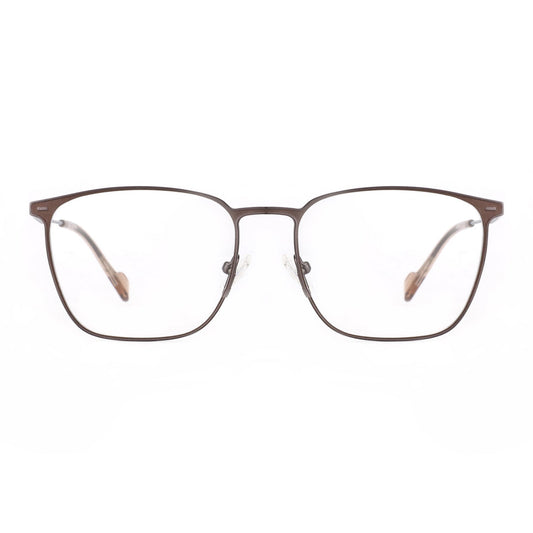
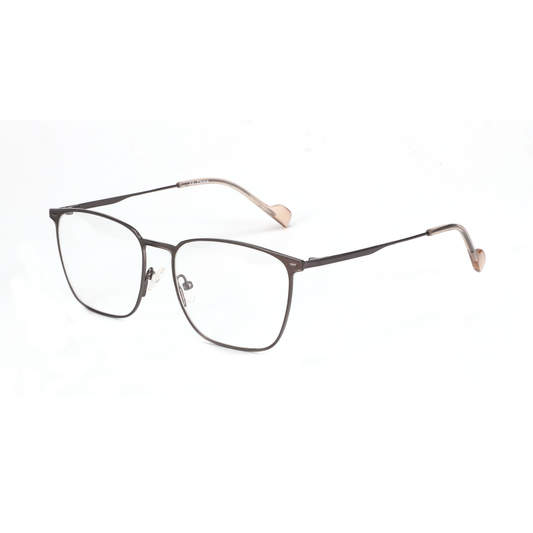
Thin metal frames offer a "framed" look without the heaviness of acetate. Titanium is the preferred material here due to its hypoallergenic properties and incredible strength-to-weight ratio. These frames are ideal for those who want a classic, scholarly look that feels modern and light.
Translucent Acetate: Soft Minimalism
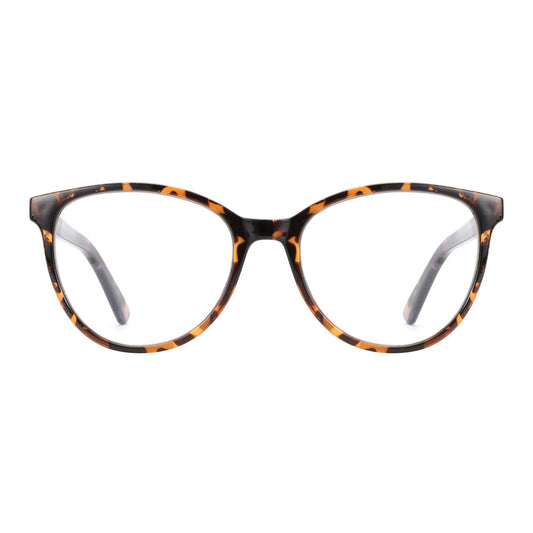
If you prefer the feel of plastic but want to stay within the minimalist trend, a premium acetate frame selection featuring translucent or "crystal" finishes is the answer. These frames provide structure and a hint of color while allowing light to pass through, softening the impact on the face.

Technical Considerations for Minimalist Frames
One of the most overlooked aspects of the quiet luxury trend is the technical requirement of the lenses themselves. Because minimalist frames—especially rimless and thin-wire styles—provide less structural support than thick frames, the lens material must do more of the "heavy lifting."
For high-prescription users, selecting the right refractive index is critical. As detailed in our Technical Guide to High-Index Lens Materials and Standards, materials like the MR™ series (1.61, 1.67, 1.74) are essential for maintaining a thin profile. A thick lens in a minimalist frame creates a "coke bottle" effect that immediately breaks the quiet luxury aesthetic.
Material Comparison Table
| Feature | Titanium | Stainless Steel | Premium Acetate |
|---|---|---|---|
| Weight | Ultra-Light | Light | Moderate |
| Flexibility | High (Beta-Titanium) | Moderate | Low |
| Durability | Exceptional | High | Moderate |
| Aesthetic | Technical/Modern | Classic/Industrial | Soft/Organic |
| Best For | Daily Wear | Budget Luxury | Fashion-Forward |
Logic Summary: This table provides a heuristic for material selection based on user priorities. It assumes the user values durability and weight as primary drivers for "luxury" feel.
Matching Minimalist Frames to Your Face Shape
A common mistake in choosing minimalist eyewear is applying the same rules used for bold frames. When choosing frames for your face shape, you must consider "visual weight." Because minimalist frames have very little visual weight, they don't "correct" face shapes as aggressively as thick frames do.
- Round Faces: Instead of a thick rectangular frame, look for ultra-thin metal frames with slightly angular top bars to add definition without bulk.
- Square Faces: Rimless round or oval lenses can soften a strong jawline without adding a second "box" to the face.
- Heart Faces: Bottom-heavy minimalist designs or rimless styles help balance a wider forehead without drawing unnecessary attention to the upper third of the face.

Maintenance and Longevity: Caring for Your Investment
The irony of minimalist eyewear is that it often requires more maintenance than its bulkier counterparts. Because the components are so fine, even a small misalignment can be visible. Furthermore, rimless frames are more susceptible to lens chipping if not handled with care.
Minimalist Frame Care Checklist
- Use Two Hands: Always put on and take off your glasses with both hands to prevent bowing the delicate temples.
- Check the Screws: Minimalist frames often use tiny screws or tension pins. Check them monthly to ensure they haven't loosened.
- Ultrasonic Cleaning: Consider a professional ultrasonic cleaning every six months to remove skin oils from the hard-to-reach hinges and nose pad arms.
- Storage: Never leave minimalist frames "face down" or loose in a bag. Use a hard-shell case to protect the structural integrity of the thin wires.
For those looking for a more personalized touch, custom luxury sunglasses can be tailored to your specific facial measurements, reducing the need for frequent adjustments by ensuring a perfect fit from day one.
FAQ
Are minimalist glasses durable enough for daily wear? Yes, provided they are made from high-quality materials like titanium or stainless steel. While they appear delicate, these metals possess high tensile strength and flexibility, allowing them to withstand the rigors of daily use better than many thicker, cheaper plastic frames. However, they do require more careful handling, such as using both hands to remove them, to avoid structural warping over time.
Which lens material is best for rimless glasses? For rimless frames, high-index materials like 1.61 or 1.67 are highly recommended because they are more "impact-resistant" and less prone to cracking at the drill points where the frame attaches. Standard 1.50 plastic lenses are often too brittle for rimless mounts and may chip or crack under the tension of the mounting hardware. Referencing the latest ISO 8980-1 standards ensures your lenses meet the necessary durability requirements for these specific architectures.
Does quiet luxury eyewear have to be expensive? Not necessarily. The essence of quiet luxury is the focus on quality and design rather than a designer label. By choosing brands that prioritize material science and direct-to-consumer manufacturing, you can find titanium or premium acetate frames that offer the same aesthetic and durability as high-end fashion houses at a fraction of the cost. The "luxury" comes from the fit, the finish, and the optical clarity of the lenses.
How do I know if my prescription is too high for minimalist frames? There is no hard limit, but users with prescriptions above +/- 4.00 diopters should be cautious. High prescriptions result in thicker lens edges (for myopia) or centers (for hyperopia). To maintain the minimalist look, you must use high-index lenses (1.67 or 1.74) to reduce this thickness. If the lens edge is significantly thicker than the frame wire, it can create a visual imbalance that detracts from the minimalist aesthetic.
Are rimless glasses out of style in 2026? Quite the opposite; rimless glasses are experiencing a major resurgence as part of the "Technical Minimalism" trend. The 2026 version of rimless eyewear focuses on futuristic materials and seamless mounting, moving away from the "office clerk" look of the early 2000s toward a sleek, architectural vibe. They are considered a staple of the quiet luxury wardrobe due to their timeless and unobtrusive nature.
References
Government / Standards / Regulators
- ANSI Z80.1-2025: Ophthalmics - Prescription Ophthalmic Lenses - Recommendations
- ISO 8980-1:2023: Ophthalmic optics — Uncut finished spectacle lenses
Industry Associations / Research Institutes
- The Vision Council: Eyewear Trend Reports 2026
- Optical Industry Association (OIA) Material Standards
Academic / Whitepapers / Labs
- Journal of Materials Science: Mechanical Properties of Beta-Titanium Alloys in Eyewear
- Technical Guide to High-Index Lens Materials and Standards (Zenottic Internal Whitepaper)
