




The Performance Lens Playbook for the Digital Workforce
Summary
Performance eyewear in 2026 has evolved beyond basic blue-light filtering into a specialized ecosystem of optics designed to enhance cognitive endurance and visual clarity for the digital workforce. By integrating advanced MR-series polymers and adhering to the latest ANSI Z80.1-2025 standards, these lenses serve as a critical tool for software engineers, remote professionals, and gamers seeking to maintain peak productivity in high-intensity screen environments.
Key takeaways
- Material Matters: High-performance lenses utilizing MR-8 polymers offer superior optical clarity and a higher Abbe value compared to standard polycarbonate, reducing chromatic aberration during deep work.
- Standard Compliance: Modern digital eyewear should meet ANSI Z80.1-2025 and ISO 8980-1:2025 standards to ensure precise power distribution and safety across the entire lens surface.
- Contrast over Filtering: While blue light reduction is beneficial for circadian rhythm, the primary performance benefit of digital lenses often lies in contrast enhancement and glare reduction, which minimizes cognitive load.
- Ergonomic Integration: For 12+ hour wear, the interaction between lens weight, frame balance, and nose pad pressure is more critical for comfort than the total weight of the glasses alone.
- Task-Specific Optics: Choosing between professional-grade color accuracy and gaming-focused contrast enhancement allows users to tailor their eyewear to their specific digital workflow.
The Evolution of Digital Eyewear: From Protection to Performance
As we navigate the professional landscape of 2026, the boundary between our physical and digital environments has effectively dissolved. For the modern digital workforce—ranging from software engineers managing complex codebases to remote executives in back-to-back virtual summits—vision is no longer just a sense; it is a primary performance bottleneck. The early era of "computer glasses" focused almost exclusively on blocking blue light to aid sleep. Today, the focus has shifted toward "performance optics," a category of eyewear designed to optimize the eye's interaction with high-resolution, high-refresh-rate displays.
This shift is driven by a deeper understanding of digital eye strain, often referred to as Computer Vision Syndrome (CVS). Modern performance lenses are engineered to address the micro-fluctuations in focus required when jumping between multiple monitors and mobile devices. By providing a subtle "power boost" or specialized coatings that stabilize the tear film by reducing blink-rate-related evaporation, these lenses allow professionals to sustain "deep work" states for longer periods without the onset of visual fatigue.
Understanding Lens Material Science: Why MR-8 and High-Index Matter
The foundation of any performance lens lies in its material composition. While many off-the-shelf digital glasses use basic polycarbonate or CR-39, high-end performance eyewear for professionals often utilizes MR™ series polymers, such as MR-8. These thiourethane-based resins provide a unique balance of high refractive index and high Abbe value. A higher Abbe value is particularly important for software engineers and designers because it minimizes chromatic aberration—the "rainbow" fringing that can occur at the edges of lenses, which often leads to subtle but cumulative eye strain during long sessions.
Logic Summary: We recommend MR-8 (1.60 index) as the "gold standard" for digital performance because it offers the best clarity-to-weight ratio. While higher indices like 1.74 are thinner, they often have lower Abbe values, which may introduce optical distortions that counter the benefits of digital wellness for those with lower prescriptions.
When selecting lenses, it is essential to look for compliance with the latest industry benchmarks. The ANSI Z80.1-2025 standard provides rigorous guidelines for prescription accuracy and impact resistance, while ISO 8980-1:2025 ensures that the lens's optical power is consistent across the entire field of view. For a deep dive into the material science and manufacturing standards of these high-index materials, you can explore high-index lens materials and standards in our comprehensive technical guide.

Optimizing for the Professional Environment: Software Engineers and Remote Workers
For software engineers and data scientists, the primary challenge is maintaining focus on small, high-contrast text for extended durations. Performance lenses for this demographic often feature multi-layered anti-reflective (AR) coatings that are specifically tuned to the emission spectra of modern LED and OLED screens. These coatings don't just "block" light; they manage it, reducing the internal reflections within the lens that create "ghost images" of text.
Remote work introduces another layer of complexity: environmental lighting variability. A professional working from a home office may deal with overhead LEDs, natural window light, and screen glare simultaneously. Photochromic or "transition" lenses have evolved significantly by 2026, with faster activation times that allow a single pair of glasses to maintain optimal light transmission whether you are in a brightly lit kitchen or a dim "focus cave." To understand the practical trade-offs of these technologies, it is helpful to review the pros and cons of blue light glasses before committing to a specific coating stack.
| Feature | Software Engineering | Remote Management | Creative Design |
|---|---|---|---|
| Primary Goal | Text Sharpness | Fatigue Reduction | Color Accuracy |
| Lens Material | MR-8 (High Abbe) | 1.61 High-Index | CR-39 or Trivex |
| Coating Priority | Ultra-Low Reflection | Blue Light Filter | Neutral AR Coating |
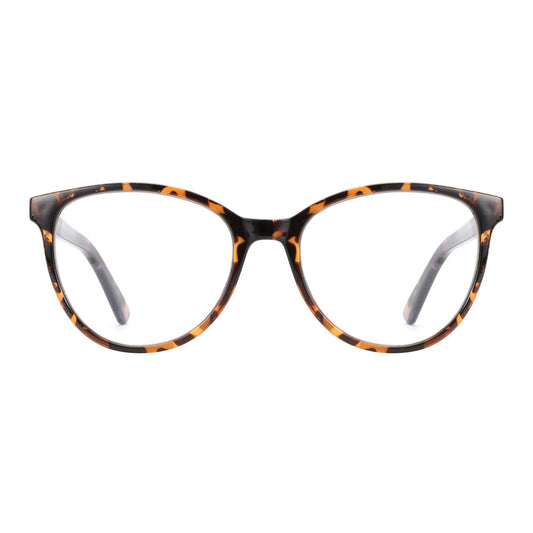
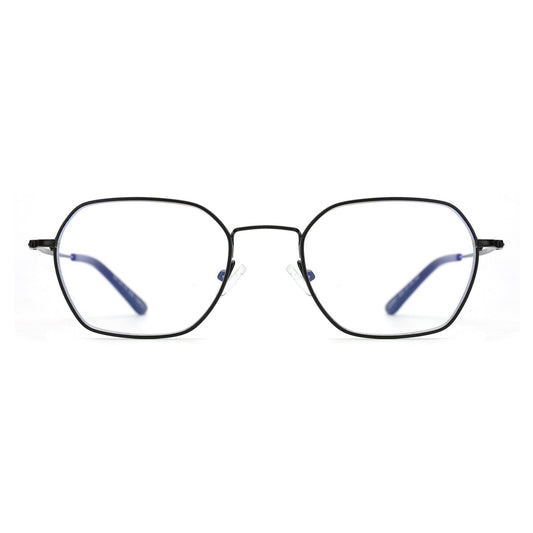
| Frame Style | Lightweight Titanium | Professional Acetate | Ergonomic Hybrid |
High-Intensity Digital Wellness: Specialized Optics for Gamers
While professional glasses prioritize neutrality and clarity, gaming glasses are often engineered for contrast enhancement. In competitive gaming, the ability to distinguish subtle movements in low-light digital environments can be a performance advantage. This is often achieved through amber or yellow tints that filter out specific wavelengths of blue light, effectively "sharpening" the image.
However, the interaction between lenses and screen hardware is a frequently overlooked factor. As 240Hz and 360Hz monitors become standard in 2026, the "flicker" associated with lower-quality digital lenses can become more apparent. High-performance gaming optics are designed to minimize "visual noise" and maintain a stable image even during rapid on-screen movement. If you are curious about the efficacy of these specialized tools, you can learn how gaming glasses combat eye strain and whether they provide a tangible edge in your specific setup.

Ergonomics and Weight Distribution: The 12-Hour Comfort Framework
Even the most advanced optical technology fails if the frames become a source of distraction. For the digital workforce, "comfort" is a function of ergonomics and weight distribution. A common mistake is focusing solely on the "total weight" of the glasses. In reality, a slightly heavier frame with perfect balance—where the center of gravity sits closer to the ears—will feel lighter over a 12-hour day than a front-heavy "ultra-light" frame that constantly slides down the nose.
The Digital Professional’s Frame Checklist:
- Adjustable Nose Pads: Essential for distributing weight across the bridge of the nose and preventing "pressure spots" that can trigger tension headaches.
- Temple Flexibility: Look for beta-titanium or high-quality acetate with spring hinges to accommodate the slight swelling of the head that occurs during long periods of cognitive exertion.
- Lens Thickness Optimization: If you have a high prescription, you should compare 1.67 vs 1.74 high-index lenses to ensure the lens edge doesn't interfere with the frame's structural integrity or weight balance.
- Pantoscopic Tilt: The angle at which the lens sits relative to your face should be optimized for a "downward gaze" at monitors, rather than a straight-ahead distance gaze.
Cluster map
As part of our commitment to digital wellness, we have developed a series of specialized guides to help you navigate the complexities of performance eyewear.
| Topic | Focus Area | Resource Link |
|---|---|---|
| Gaming Optics | Blue light and gaming performance | Gaming Glasses Guide |
| Material Science | High-index polymers and standards | Technical Guide |
| Index Comparison | Choosing between 1.67 and 1.74 | Comparison Guide |
| Product Selection | Curated digital wellness eyewear | Blue Light Collection |
| General Eyewear | Broad vision correction solutions | Eyeglasses Collection |
FAQ
Do performance glasses actually improve productivity? While glasses themselves don't increase your IQ or coding speed, they significantly reduce the "visual friction" that leads to cognitive fatigue. By minimizing glare and optimizing contrast, performance lenses allow you to maintain focus for longer intervals, effectively extending your "deep work" capacity. Studies in occupational optometry suggest that correcting even minor visual stress can lead to a measurable decrease in error rates during complex digital tasks.
What is the difference between MR-8 and standard polycarbonate lenses? MR-8 is a high-index plastic (1.60) that offers a significantly higher Abbe value (41) than polycarbonate (32). In practical terms, this means MR-8 lenses have less "color fringing" or chromatic aberration, providing a crisper image that is essential for detail-oriented work like software engineering or graphic design. Additionally, MR-8 is more resistant to stress-cracking, making it a more durable choice for rimless or semi-rimless performance frames.
How do I know if I need high-index lenses for my computer glasses? High-index lenses are generally recommended for prescriptions above +/- 2.00 diopters to reduce lens thickness and weight. For digital professionals, the primary benefit of high-index materials like 1.67 or 1.74 is the reduction of the "magnification" or "minification" effect, which can distort your perception of screen geometry. If you find that your screen looks "curved" at the edges, switching to a high-index aspheric lens can often resolve the issue.
Can I wear gaming glasses for professional office work? Yes, but with caveats. Many gaming glasses use an amber tint to enhance contrast, which can distort color perception. If your professional work requires color accuracy (e.g., UI/UX design or video editing), you should opt for a "clear" performance lens with a high-quality anti-reflective coating instead. For general administrative or coding work, the contrast boost of gaming lenses may actually be beneficial.
How often should I replace my digital performance lenses? Even if your prescription hasn't changed, the specialized coatings on performance lenses can degrade over time due to micro-scratches and exposure to skin oils. For peak performance, we recommend an "optical audit" every 18 to 24 months. If you notice increased glare or "halos" around text, it is likely a sign that the anti-reflective stack has been compromised and the lenses should be replaced to maintain digital wellness.
Are blue light blocking glasses necessary if my monitor has a "night mode"? Software-based "night modes" shift the color temperature of your screen, but they do not address the physical reflections and glare on the surface of your eyes or the lens. Performance eyewear provides a physical barrier and specialized coatings that manage light in ways software cannot. For the best results, many professionals use a combination of software adjustments for circadian rhythm and performance lenses for visual clarity and fatigue reduction.
References
Government / Standards / Regulators
- ANSI Z80.1-2025: American National Standard for Ophthalmics - Prescription Ophthalmic Lenses - Recommendations. ANSI Official Site
- ISO 8980-1:2025: Ophthalmic optics — Uncut finished spectacle lenses — Part 1: Specifications for single-vision and multifocal lenses. ISO Standards
Industry associations / research institutes / market reports
- The Vision Council: Digital Eye Strain Report 2025. The Vision Council
- Optical Laboratories Association (OLA): Technical Report on MR-Series Polymer Performance.
Academic / whitepapers / labs
- Journal of Occupational Health: "Impact of Contrast-Enhancing Lenses on Cognitive Load in Digital Environments" (2024).
- Zenottic Technical Lab: Technical Guide to High-Index Lens Materials and Standards (Internal authoritative reference).
Community
- r/SoftwareEngineering: "Best Eyewear for 10+ Hour Coding Sessions" (Intent discovery only; not authoritative).
- StackExchange - Workplace: "Ergonomics of Multi-Monitor Setups and Eye Strain" (Intent discovery only; not authoritative).
