



The Best Frames for High Myopia and a Narrow Pupillary Distance (PD)
Finding the right eyeglass frames for high myopia combined with a narrow pupillary distance can dramatically improve both visual comfort and appearance. When your PD is below 58 mm and your prescription reaches -6.00 D or stronger, standard frames often push the optical centers too far apart, causing noticeable lens decentration, increased edge thickness, and unwanted distortion. The best frames prioritize smaller lens widths, adjustable nose pads, and shapes that keep the optical center aligned with your pupils while minimizing the visible thickness of high-index lenses.

This guide walks through the specific frame dimensions, shapes, and materials that work best for this combination, helping you avoid common fitting mistakes that lead to headaches, eye strain, or an unflattering look. Whether shopping online or replacing an old pair, understanding these technical details lets you select glasses that sit correctly and look natural.
Why Narrow PD and High Myopia Create Unique Fitting Challenges
A narrow pupillary distance means your eyes sit closer together than average, typically under 58 mm. High myopia requires strong minus lenses that grow thicker toward the edges. When these two factors combine, the optical center of each lens can end up decentered by several millimeters from your actual pupil. This misalignment increases prism effects, which many wearers experience as distortion at the lens periphery or a swimming sensation during head movement.
Decentration also exaggerates the already prominent edge thickness of minus lenses, making them appear heavier and less attractive. In severe cases, the frame may sit too wide, causing the glasses to slip down the nose or tilt, further worsening optical performance. Lightweight frames with good stability become essential to maintain proper alignment throughout the day.
Many online shoppers discover these issues only after receiving their glasses. The good news is that careful frame selection combined with high-index lens materials can significantly reduce these problems.
Key Frame Dimensions to Prioritize for Narrow PD
For narrow PD, focus on frames with a lens width (A measurement) between 46 mm and 52 mm. Total frame width should generally stay between 112 mm and 130 mm depending on your exact PD. Bridge width of 14-18 mm usually fits narrow faces best, preventing the lenses from sitting too far apart.
Temple length around 140-145 mm helps ensure the arms don't flare out excessively. Adjustable nose pads are highly recommended because they allow precise vertical and horizontal positioning to align the optical centers correctly.

The chart below illustrates heuristic sizing bands for different narrow PD ranges. These bands represent conservative guidance to minimize decentration and edge thickness rather than strict clinical rules.
Frame Width Fit for High Myopia and Narrow PD
Heuristic sizing bands emphasize lower frame widths to reduce decentration and edge thickness.
View chart data
| Category | Recommended frame width range (illustrative) | Higher-risk width range | Ideal narrow-fit zone |
|---|---|---|---|
| PD 50-52 mm | 118.0 | 130.0 | 112.0 |
| PD 53-54 mm | 122.0 | 132.0 | 116.0 |
| PD 55-56 mm | 126.0 | 136.0 | 120.0 |
| PD 57-58 mm | 130.0 | 140.0 | 124.0 |
Illustrative heuristic built from common optician fitting logic for high-minus lenses with narrow PD: prioritize smaller eye size, narrower A-bridge width, and lower decentration when frame front width is kept close to PD+~60 to 72 mm total frame width. Values are not measured clinical outcomes; they are conservative, article-safe sizing bands intended to guide frame selection for high myopia and narrow PD.
Smaller lens sizes not only improve centering but also reduce the blank size needed, which directly cuts down on edge thickness for strong prescriptions.
Best Frame Shapes for High Prescription and Narrow Faces
Round and oval frames tend to perform better than wide rectangular or oversized styles for this combination. These softer shapes distribute the lens curvature more evenly and often require less material at the edges. Avoid frames with a strong geometric look or very wide lens proportions, as they increase the distance between optical centers.
Semi-rimless or full-rim designs in lightweight materials such as titanium or high-quality acetate offer good stability without adding unnecessary weight that could cause slipping. For women seeking stylish options, women's eyeglasses collections frequently include narrower models that pair well with high-index lenses.
When selecting eyeglasses, look for frames labeled as petite or narrow-fit. These are engineered with shorter bridge widths and smaller eye sizes that naturally suit PDs under 58 mm.
Lens Material and Thickness Considerations
Pairing your narrow-PD frames with the highest practical refractive index is essential. When 1.74 high-index lenses are actually worth the upgrade explains how these materials significantly reduce edge thickness compared to standard 1.50 or even 1.67 options for prescriptions of -8.00 D and stronger.
Our technical guide to high-index lens materials details how higher refractive indices combined with proper centering produce thinner, lighter lenses that look more attractive. Aspheric lens designs further flatten the curve, minimizing the bug-eye effect common with strong minus prescriptions.
Always provide your exact PD measurement when ordering. Many retailers default to an average PD of 62 mm or higher, which creates immediate decentration for narrow faces.
How to Measure and Verify Your PD at Home
Accurate PD measurement is critical. Use a millimeter ruler and a mirror, or ask a friend to measure the distance between your pupils while you focus on a distant object. For best results, repeat the measurement three times and average the results. Many phone apps now offer reasonable accuracy when used carefully.
Once you receive new glasses, check alignment by looking in a mirror. The optical centers (usually marked by a small dot or visible during lens inspection) should line up directly over your pupils. If they sit more than 1-2 mm off, the fit may need adjustment or a different frame.
Recommended Frames and Models for This Profile
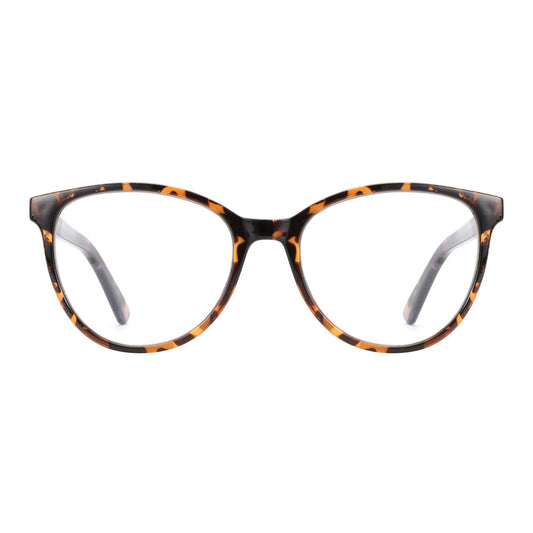
Several styles consistently receive positive feedback from high-myopia wearers with narrow PD. The Zenottic Daphne offers a soft oval shape with adjustable pads and a compact 48 mm lens width, making it suitable for PDs around 52-56 mm. Its lightweight construction helps prevent slipping while keeping the lenses centered.
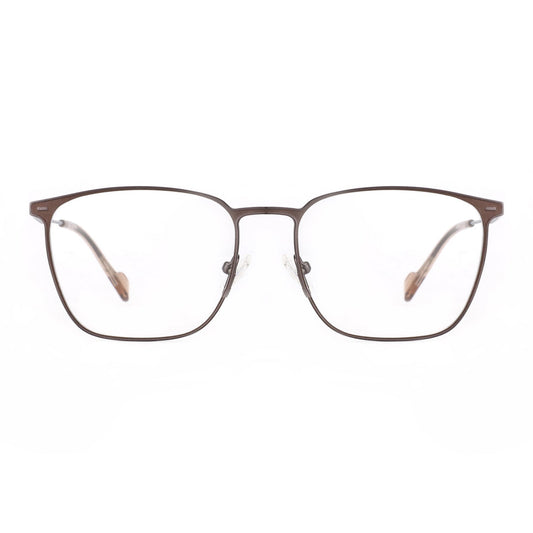
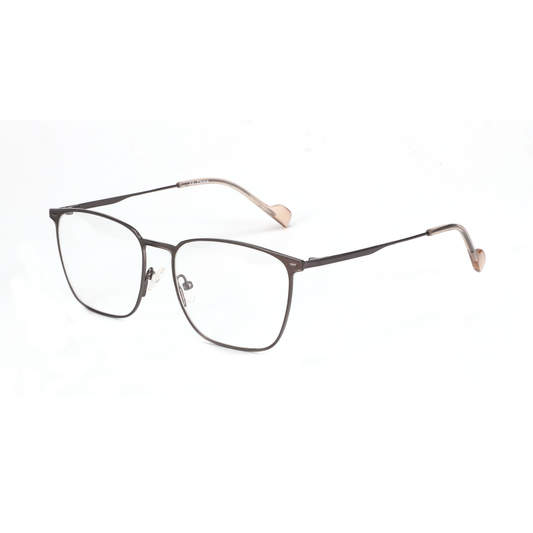
For a slightly more angular but still narrow option, the Zenottic Fitch provides excellent stability and works well with 1.74 lenses. The Roxanne model features a refined feminine profile that minimizes edge visibility, while the Ferdinand and Gordon frames deliver classic proportions that accommodate strong prescriptions without looking bulky.
The Cliff style is particularly popular among those seeking a modern look that doesn't exaggerate lens thickness. All these models pair effectively with high-index materials when the frame size is chosen carefully.
Common Myths and Mistakes to Avoid
One widespread myth is that any small frame will work. In reality, bridge fit and temple stability matter just as much as lens width. Another misconception is that higher-index lenses alone solve thickness issues. Without proper centering, even 1.74 lenses can still show thick edges.
Avoid ordering oversized fashion frames simply because they look trendy. They almost always worsen decentration for narrow PD. Also, do not skip professional adjustment after receiving your glasses. Even the best online purchase benefits from a quick fitting at a local optician to fine-tune nose pad position and temple angle.
Checklist: Choosing the Right Frames for Your Situation
Before purchasing, run through this practical checklist:
- Confirm your PD is under 58 mm and note the exact measurement
- Select frames with lens width 46-52 mm and total width under 130 mm
- Choose adjustable nose pads for precise centering
- Opt for round, oval, or soft rectangular shapes over wide geometric styles
- Pair with 1.67 or 1.74 high-index aspheric lenses for prescriptions stronger than -6.00 D
- Verify the retailer requests your exact PD and offers easy returns
- Check frame material for lightweight yet stable construction (titanium or reinforced acetate)
- Read recent customer reviews specifically mentioning high prescriptions or narrow faces
Following these steps greatly increases your chances of receiving glasses that both feel comfortable and look attractive.
When to Consider Professional Consultation
While online ordering has become reliable for many, certain prescriptions or facial features benefit from in-person evaluation. If you have a very narrow PD (under 52 mm), significant astigmatism, or previous experience with distortion, consulting an optician can provide custom measurements and fitting advice.
This article discusses comfort, fit, and setup guidance for eyewear selection. It does not constitute medical advice, diagnosis, or treatment. If you experience persistent discomfort, headaches, or changes in vision, consult a qualified eye care professional.
Selecting the best frames for high myopia and narrow pupillary distance ultimately comes down to matching precise dimensions to your individual measurements. By prioritizing smaller lens sizes, proper centering, and high-index materials, you can achieve clearer vision with lenses that look thinner and more natural. Take time to measure accurately and choose carefully—your eyes and appearance will thank you.
When ready to explore options designed with these technical considerations in mind, browse the full eyeglasses collection or specific models like the Zenottic Daphne that perform well for this profile. Additional guidance is available in articles such as how to order high-prescription glasses online without regrets and the best frames for 1.74 lenses to minimize edge thickness.
