



Circular Eyewear: A Guide to Recycling and Repurposing Old Frames
Summary
Adopting a circular approach to eyewear ensures that old frames and lenses are diverted from landfills through structured donation programs, specialized material recycling, or creative upcycling. By understanding the composition of your glasses—from high-index polymers to cellulose acetate—you can make informed decisions that reduce environmental impact and support global vision health initiatives in 2026.
Key takeaways
- Donation is the priority: Functional prescription glasses should first be directed to organizations like the Lions Club or OneSight to provide vision correction to underserved communities.
- Material-specific recycling: Metal frames are highly recoverable through standard scrap channels, while acetate and specialized polymers require specialized chemical recycling to maintain material integrity.
- Lens complexity: Modern lenses, particularly high-index materials, are complex composites that often require professional stripping before the base materials can be repurposed.
- Circular design: The industry is shifting toward "design for disassembly," making it easier for consumers to separate components for responsible end-of-life management.
Why your old glasses shouldn't end up in a landfill
The global eyewear industry produces millions of frames annually, many of which are composed of non-biodegradable plastics and complex metal alloys. When these items are discarded in household trash, they contribute to the growing problem of microplastics and heavy metal leaching in landfills. In 2026, the concept of "circular eyewear" has moved from a niche sustainability trend to a core consumer responsibility.
The environmental footprint of a single pair of glasses includes the carbon-intensive manufacturing of acetate frames and the precise chemical engineering required for optical lenses. By extending the lifecycle of these products, we significantly reduce the demand for virgin raw materials. Furthermore, many components, such as titanium or high-grade stainless steel, retain their value even after the frame is no longer wearable. Transitioning to a circular model means viewing your old "back-up" pair not as waste, but as a resource for someone else's vision or a new manufacturing cycle.
Where to donate old prescription glasses in 2026
Donation remains the most impactful way to handle eyewear that is still in good condition. Millions of people worldwide lack access to basic vision correction, and your old frames can quite literally change a life. Most donation programs accept prescription glasses, sunglasses, and even reading glasses from a standard eyeglasses collection.
Major Global Donation Channels
- Lions Club International (Recycle for Sight): This remains the gold standard for eyewear donation. They operate regional processing centers where glasses are cleaned, sorted by prescription, and distributed to medical missions globally.
- OneSight EssilorLuxottica Foundation: This organization focuses on creating sustainable vision care hubs. They often accept quality used frames to help stock clinics in developing regions.
- Local Opticians and Schools: Many independent eye care providers host "take-back" boxes. These are often the most convenient option for local community support.
Logic Summary: Donation is recommended as the first step because it preserves the highest value of the product (its function). This applies to frames that are structurally sound and lenses without significant scratching. It may not apply to broken frames or extremely high-cylinder prescriptions that are difficult to match to new users.

How to recycle eyewear frames responsibly by material
If your frames are broken beyond repair or the lenses are too damaged for donation, recycling is the next step. However, you cannot simply toss glasses into your curbside recycling bin. The mixed-material nature of eyewear—combining plastics, metals, and coatings—makes them "contaminants" in standard municipal streams.
Frame Material Recycling Compatibility
| Material | Recycling Method | Recovery Potential |
|---|---|---|
| Monel / Stainless Steel | Scrap Metal Facilities | High (90%+) |
| Cellulose Acetate | Specialized Chemical Recycling | Moderate (Requires stripping) |
| Titanium | Specialized Metal Recyclers | Very High (Valuable) |
| TR90 / Grilamid | Industrial Plastic Recycling | Low (Often downcycled) |
| Wood / Bamboo | Composting (if untreated) | High (Biodegradable) |
Recycling Metal Frames
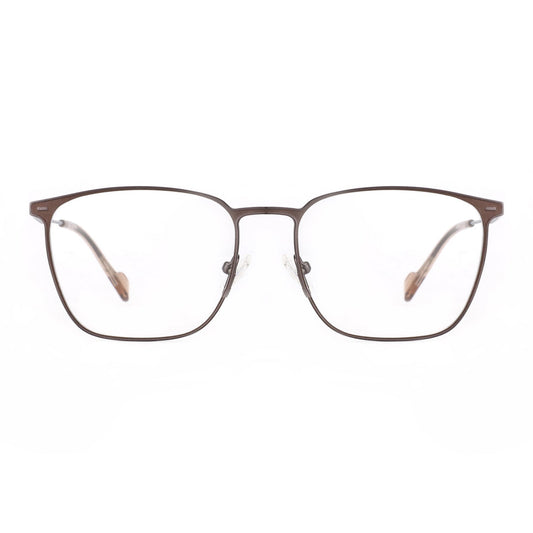
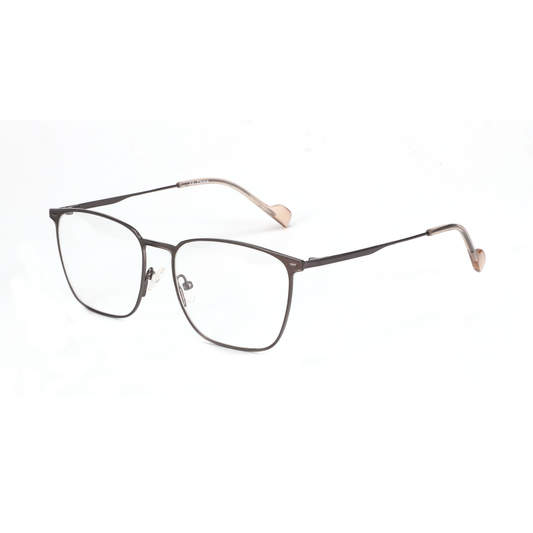
Metal frames are often the easiest to recycle because they are composed of valuable alloys. Whether you are dealing with metal sunglasses or optical frames, the process usually involves removing the plastic temple tips and nose pads before taking the metal chassis to a local scrap metal dealer. Titanium, in particular, is highly sought after for its strength-to-weight ratio and can be melted down and reused in various industries without losing its structural properties.
The Challenge of Acetate and Plastics
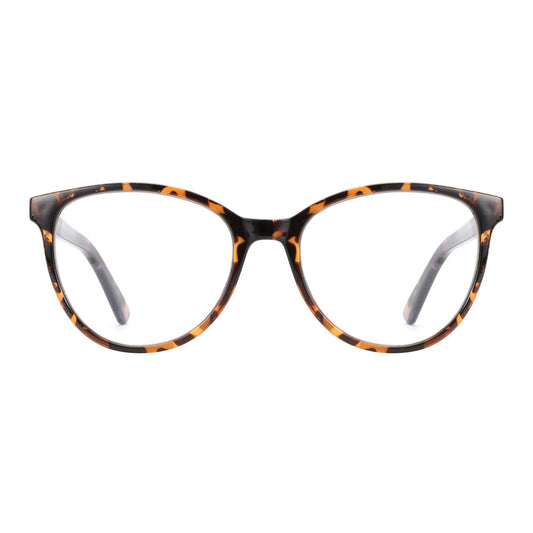
Cellulose acetate is a plant-based plastic, but it is often treated with plasticizers and stabilizers that prevent it from being compostable. In 2026, new chemical recycling plants are beginning to accept acetate frames to break them back down into their molecular components, which can then be used to create "recycled acetate" for new eyewear lines. This process is more complex than melting metal and usually requires a dedicated take-back program provided by the manufacturer.
Technical considerations for lens recycling
Lenses are perhaps the most difficult part of the eyewear assembly to recycle. Modern lenses are rarely made of glass; instead, they are sophisticated polymers designed for clarity and weight reduction.
When considering the end-of-life for your lenses, it is helpful to understand their composition. For instance, a technical guide to high-index lens materials and standards explains that high-index lenses, such as those made from MR™ series polymers (1.61, 1.67, 1.74), are engineered using complex thiourethane resins. These materials are designed for durability and optical performance, meeting ANSI Z80.1-2025 standards, but their cross-linked chemical structure makes them difficult to melt down like traditional thermoplastics.
Currently, most lens recycling involves grinding the old lenses into a fine powder that can be used as a filler in industrial materials like asphalt or composite decking. While this is "downcycling" rather than true circularity, it still prevents the material from entering the waste stream.
Logic Summary: We assume that most consumers do not have access to industrial lens grinders. Therefore, the recommendation is to leave lenses in the frames when donating, as the charity's processing center is better equipped to handle the separation and bulk recycling of unusable lenses.

Upcycling old glasses frames: Creative DIY ideas
If you have a pair of frames that hold sentimental value but are no longer wearable, upcycling offers a way to keep them in your life while serving a new purpose. This is a key part of the circular economy's "reuse" pillar.
Practical Upcycling Framework
- Jewelry and Accessories: The temples of colorful acetate frames can be cut and polished to create unique earrings or pendants.
- Home Decor: Old frames can be used as unique "miniature" picture frames for small photos or as part of a larger mixed-media art piece.
- Educational Tools: Keep an old pair of glasses to help children understand daily eye care practices or to practice handling eyewear gently.
- Replacement Parts: If you have multiple pairs of the same model, keep the old ones for "cannibalizing" screws, nose pads, or even temples if a newer pair breaks.
When upcycling, it is important to consider choosing frames for your face shape even for decorative purposes. A frame that once looked great on you will likely look great as a piece of art in your personal space, maintaining your aesthetic style even in a new format.
The shift toward a circular economy in the eyewear industry
By 2026, the eyewear industry has seen a significant shift toward "Extended Producer Responsibility" (EPR). Many brands now offer incentives for customers to return their old frames. These take-back programs often provide a discount on a new purchase, ensuring that the old materials are handled by professionals who can maximize recovery rates.
We are also seeing the rise of Global Recycled Standard (GRS) certified eyewear. This certification ensures that the "recycled" claim on a pair of glasses is backed by a transparent supply chain. When you buy frames made from recycled ocean plastic or bio-acetate, you are supporting a system that was designed with its end-of-life in mind. This "cradle-to-cradle" approach is the ultimate goal of circular eyewear, where waste is designed out of the system entirely.
FAQ
Where can I find a drop-off location for glasses donation in 2026? Most large optical retailers and many independent opticians participate in donation programs. You can also use the Lions Club "Club Locator" tool on their official website to find the nearest chapter or participating drop-off box in your area. Many local libraries and community centers also host seasonal collection drives for vision charities.
Can I recycle my glasses in my blue curbside bin? No, you should never put eyeglasses in your standard curbside recycling bin. The small size and mixed-material composition (metal screws, plastic frames, coated lenses) make them impossible for standard Material Recovery Facilities (MRFs) to sort. They often end up as "residual waste" and are sent to landfills regardless, or worse, they can jam the sorting machinery.
Is it possible to replace the lenses in my old frames instead of buying new ones? Yes, "relensing" is a fantastic way to practice circularity. If your frames are still in good condition and you still love the style, many optical labs can fit new prescription lenses into your existing frames. This saves the material of the frame and is often a more sustainable (and sometimes more affordable) option than buying a completely new set.
What happens to the glasses that are donated but cannot be used? Charities like the Lions Club have strict quality control standards. If a pair of donated glasses is broken, heavily scratched, or has an extremely unusual prescription that cannot be matched, it is sent to a specialized recycler. These partners strip the frames for precious metals and grind the lenses for industrial use, ensuring that even "unwearable" donations stay out of the landfill.
Are "eco-friendly" frames easier to recycle? Generally, yes. Frames made from bio-acetate or recycled metals are often designed with simpler constructions that make disassembly easier. Some "circular" brands use a single type of material (monomaterial design) for the entire frame, which significantly increases the efficiency of the recycling process at the end of the product's life.
How do I clean my old glasses before donating them? You should wash the frames and lenses with a mild, lotion-free dish soap and lukewarm water. Dry them thoroughly with a clean, lint-free microfiber cloth. Avoid using paper towels or tissues, as these can leave micro-scratches on the lenses. Providing clean, well-maintained glasses helps the volunteers at processing centers sort your donation more quickly.
References
Government / Standards / Regulators
- ANSI Z80.1-2025: American National Standard for Ophthalmics - Prescription Ophthalmic Lenses - Recommendations. ANSI Official Site
- ISO 8980-1: Ophthalmic optics — Uncut finished spectacle lenses. ISO Standards
- EPA (U.S. Environmental Protection Agency): Guidelines on Plastic and Metal Recycling. EPA.gov
Industry Associations / Research Institutes
- The Vision Council: Reports on Eyewear Sustainability and Market Trends. The Vision Council
- Global Recycled Standard (GRS): Certification standards for recycled content. Textile Exchange
Platform Official Docs & Policies
- Lions Club International: Recycle for Sight Program Guidelines. LionsClubs.org
- OneSight EssilorLuxottica Foundation: Sustainability and Donation Policies. OneSight.org
Community (Intent only; not authoritative)
- Reddit r/sustainability: Discussions on DIY eyewear upcycling and local recycling hacks.
- Earth911: Searchable database for local specialized recycling locations.
