




Frame Weight Distribution: Why Two Glasses of the Same Weight Can Feel Different
Equal listed weight does not guarantee equal comfort. Glasses weight distribution affects how the frame is supported by the bridge, nose, temples, and ears. Tipping or slipping can make a similarly weighted pair feel heavier. Start by identifying the pressure or movement problem, then compare fit and stability instead of choosing solely by the lowest weight label.

Why Two Glasses With the Same Weight Can Feel Different
Two glasses with the same listed weight can feel different because their contact points and stability differ. One frame may place more of its load on the bridge or nose, while another may press against the temples or rest differently behind the ears. The front may also sit farther forward or shift more during normal movement.
That changes the sensation of glasses weight distribution without requiring much difference in total weight. A frame that tips forward, concentrates pressure in one area, or slides when you look around may feel heavier than one that stays supported. The useful comparison is not “Which pair weighs less?” but “Where does each pair make contact, and does it stay stable?”
Use the sensation as a clue. Nose-heavy discomfort points first to the bridge and nose contact. Temple-heavy discomfort points to side pressure and temple fit. Slipping or forward tipping points to the overall dimensions and stability. Treat listed weight as one comparison detail, then address the first pressure or movement problem before deciding which frame feels more comfortable.
Find the Contact Point Creating Pressure or Instability
Where you feel discomfort tells you which fit area to inspect first. Nose pressure, front contact, temple pressure, and slipping are related to how the frame sits, but they are not the same problem.
Bridge and Nose Contact
A frame may feel nose-heavy when the bridge or nose pads create concentrated contact, or when the frame tips forward. Check whether the bridge sits securely, whether the nose contact feels localized, and whether the frame slides. A lower weight label will not necessarily solve discomfort that starts at the same contact point.
If nose marks or pressure are your main complaint, start with bridge and nose support rather than changing frames based only on a marketing term. You can also review this guidance on preventing nose marks, but apply any suggested change to the fit you actually experience.
Front and Lens Position
The front width, lens size, and position of the frame relative to your eyes and cheeks affect how the finished pair sits on your face. A front that sits too far forward, touches your cheeks, or feels unstable can change perceived heaviness even when the listed weight is similar.
Compare front dimensions and position rather than treating a material label as proof of comfort. If you have a stronger prescription, evaluate the complete finished pair—including lens choice and placement—instead of judging the frame alone. Frame size can also affect prescription-related decisions, so compare frame size as part of the broader fit check.
Temples and Ears
A frame can feel heavy or uncomfortable at the temples and ears when the temples press, spread, or fail to rest securely. Check side pressure, temple length, and whether the temple ends rest comfortably behind your ears without forcing the front forward or allowing it to slip.
Temple pressure does not automatically mean the total frame weight is too high. It more directly tells you to inspect frame width, temple length, and how the sides hold the frame in place. These are qualitative fit clues, not a universal pressure scale.
| What you notice | Inspect first | Practical next step |
|---|---|---|
| Pressure mainly at the nose | Bridge and nose contact | Check whether the bridge sits securely and whether the frame tips forward |
| Pressure at the temples or ears | Frame width and temple fit | Check side pressure, temple length, and behind-the-ear position |
| Tipping, sliding, or uneven sitting | Overall dimensions and stability | Compare the frame with a pair that already stays stable on you |
This matrix is practical fit guidance, not a measured biomechanical model. It helps you choose what to inspect next without assigning unsupported comfort scores.
Compare Frame Weight Distribution in Similarly Weighted Frames
When two frames have similar listed weights, compare their support pattern and stability in a consistent order. In person, use the first four steps while wearing each frame. Online, use the last step with a comfortable reference pair.
- Locate the pressure. Note where each frame first touches and whether pressure builds during normal wear. Separate nose pressure from temple or ear pressure instead of grouping every sensation under “heavy.”
- Check bridge and nose support. Notice whether the bridge sits securely, whether nose contact feels concentrated, and whether the front tips forward. Do not assume a small weight difference explains the result before checking this area.
- Check temple and ear pressure. Notice whether the temples press, flare, or feel loose, and whether the ends rest comfortably behind the ears. Side pressure can make a frame feel uncomfortable even when total weight is not the main issue.
- Assess stability during normal movement. Look around, read, and move naturally. Notice slipping, repeated adjustment, forward tipping, or uneven sitting. A frame that stays stable may feel better than a lighter frame that shifts.
- Compare documented details with a comfortable reference pair. For online listings, record frame width, lens width, bridge width, temple length, nose-pad or integrated-pad design, construction, and any stated lens information. Compare those details with a pair that already feels stable on you.
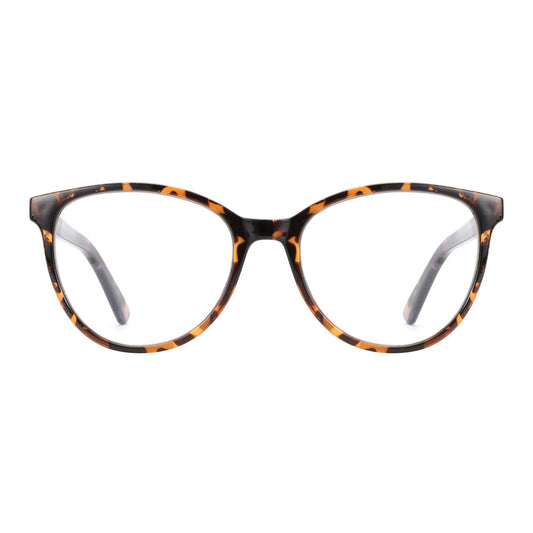
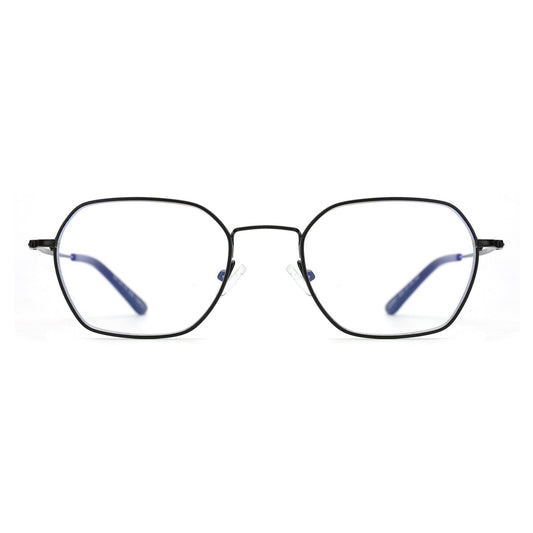
The listed dimensions describe different parts of a frame, but they do not prove comfort. For example, the supplied Zenottic specifications list Barnett at 52-19-140 with TR90/metal construction, while Archer is listed at 54-18-140 with metal full-rim construction and integrated nose guards. Those details support a neutral comparison; they do not establish which model feels lighter or more balanced on a particular wearer.

For broader shopping, you can compare eyeglass details and then learn how to order. Virtual try-on and a return process can reduce the uncertainty of online shopping, but neither proves that the finished pair will feel comfortable on your face.
Choose the frame with the more comfortable support pattern and stable fit, even when its listed weight is not the lowest. That is the practical meaning of lightweight glasses comfort: comfort comes from how the finished pair is supported, not from the label alone.
Decide Whether the Issue Is Balance or Overall Fit
A balance issue is more plausible when the frame appears to be the right size but repeatedly tips forward, concentrates pressure at one support point, or feels unstable. In that situation, ask an eyewear professional whether an adjustment is appropriate rather than assuming a lighter frame will solve it. An adjustment may change how the frame sits, but it does not guarantee comfort.
A broader fit mismatch is more plausible when the bridge does not sit securely, the temples press or flare, the frame slips, or the front is clearly too wide or too narrow. Those patterns point to a different dimension or shape, which may matter more than a lower weight. If the frame remains tight, loose, slippery, or insecure after an appropriate adjustment, choose a better-fitting size or shape instead of putting up with ongoing pressure because it is labeled lightweight.
For a strong prescription, compare the complete finished pair because frame dimensions, lens size, lens position, and lens material all contribute to comfort. Do not infer comfort, balance, or lower perceived weight from material or dimensions alone.
The decision rule is simple: choose the frame whose bridge, nose, temples, and ears support it comfortably and keep it stable during normal wear. If the current pair cannot do that after an appropriate fit review, choose a different size or shape rather than merely a lighter listing.
Frequently Asked Questions
These answers apply the same location-first approach to common shopping and try-on questions.
Why can glasses with the same listed weight feel different?
Listed weight is only the total number. Placement, support points, and movement change where pressure is felt, so a stable frame may feel better than a lighter frame that tips or slips.
Why do lightweight glasses still feel heavy on my nose?
Localized nose pressure can come from bridge or nose contact or from forward tipping. Inspect that area first instead of choosing another frame solely because it carries a lightweight label.
How can I compare glasses weight distribution when shopping online?
Compare lens width, bridge width, temple length, front construction, nose-pad design, and available lens information with a pair that already feels stable. These details narrow the choice but do not prove comfort.
Does temple pressure mean my glasses are too heavy?
Not automatically. Temple pressure more directly calls for checking frame width, temple length, and side fit. If those remain uncomfortable, consider a different fit rather than focusing only on total weight.
