



How to Build a Versatile Glasses Wardrobe on a Budget
Summary
Building a versatile glasses wardrobe is no longer a luxury reserved for the fashion elite; it is a strategic approach to vision health and personal expression. By shifting the perspective of eyewear from a single medical necessity to a functional "capsule wardrobe," you can ensure optimal visual performance and style for every facet of your life. Leveraging direct-to-consumer value-tech pricing allows you to acquire a complete four-pair collection—Professional, Casual, Statement, and Active—for approximately the same cost as a single pair from a traditional high-street retailer.
Key takeaways
- The 4-Pair Framework: A complete eyewear wardrobe consists of four distinct categories: Professional (work), Casual (everyday), Statement (fashion), and Active (sports/safety).
- Economic Efficiency: By utilizing direct-to-consumer platforms like Zenottic, you can save 50-70% compared to traditional retail markups, making a multi-pair collection financially accessible.
- Functional Lens Matching: Different activities require specific lens materials, such as high-index for professional aesthetics or impact-resistant polycarbonate for active use.
- Safety Standards: Ensure every pair in your wardrobe meets ANSI Z80.1 or ISO 8980-1 standards to guarantee optical quality and UV protection.
- Sustainable Maintenance: Proper storage and staggered prescription updates are critical for extending the lifespan of your collection and preventing eye strain.
The Wardrobe Effect: Why One Pair of Glasses is No Longer Enough
For decades, the "one pair every two years" model was the standard for prescription eyewear, largely driven by high retail costs and insurance limitations. However, as we move through 2026, the "Wardrobe Effect" has redefined how we view our glasses. Just as you wouldn't wear hiking boots to a board meeting or flip-flops to a wedding, wearing the same pair of glasses for every occasion often results in a compromise of either style or function.
A versatile eyewear collection allows you to match your frames to your outfit, your environment, and your activity level. Beyond the aesthetic benefits, having multiple pairs provides a critical safety net; if one pair is lost or damaged, your vision—and your daily productivity—remains uninterrupted. Furthermore, specialized lenses, such as those designed for digital screens or outdoor activities, can significantly reduce eye strain and improve overall comfort. To ensure your collection starts on the right foot, it is essential to understand how glasses should fit to ensure long-term comfort across all your styles.
The 4-Pair Capsule Framework: Professional, Casual, Statement, and Active
Building a collection doesn't mean buying dozens of frames. Instead, a "capsule" approach focuses on four core categories that cover 95% of daily life. This framework ensures that you have the right tool for every job without cluttering your space or overextending your budget.
| Category | Primary Function | Recommended Frame Style | Ideal Lens Feature |
|---|---|---|---|
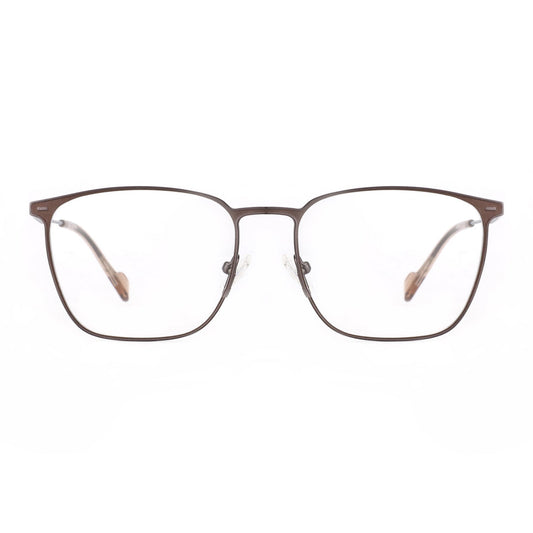
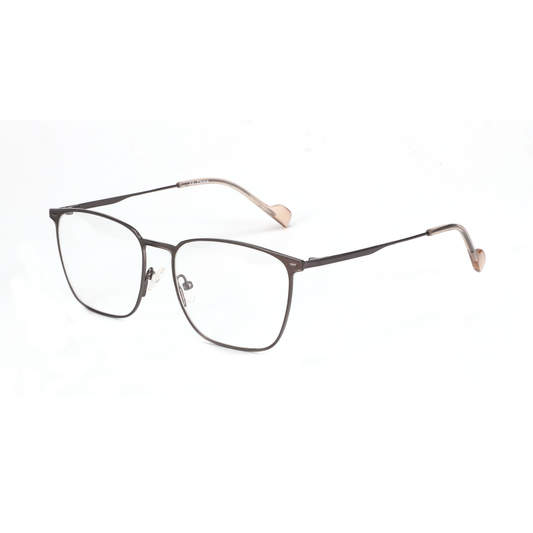
| Professional | Office, Meetings, Video Calls | Neutral metals, classic rectangles, or browlines | Blue light filtering, Anti-reflective coating |
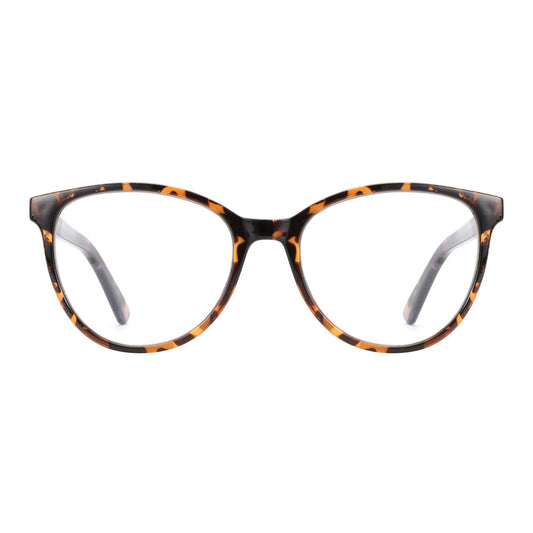
| Casual | Errands, Home, Socializing | Comfortable acetate, tortoiseshell, or clear frames | Standard clear or photochromic lenses |
| Statement | Events, Fashion, Special Occasions | Bold colors, oversized shapes, or geometric designs | High-index for thinness, subtle tints |
| Active | Sports, Outdoor, High-Impact | Wrap-around, rubberized grips, or lightweight TR90 | Polycarbonate or Trivex (ANSI Z87.1 rated) |
Logic Summary: This framework is designed to maximize utility while minimizing cost. By categorizing your needs, you avoid redundant purchases. The "Active" category specifically prioritizes impact resistance over aesthetics to meet safety standards for physical activities.
When selecting your frames, referring to The Ultimate Face Shape Guide can help you identify which silhouettes will be most flattering for your specific features, ensuring your "Statement" pair truly makes the impact you desire.
Strategic Budgeting: How to Build Your Collection Without Breaking the Bank
The primary barrier to a multi-pair wardrobe has historically been the "retail markup." Traditional optical shops often mark up frames and lenses by as much as 10 times their manufacturing cost to cover high overhead and licensing fees. By choosing affordable prescription glasses through a direct-to-consumer model, you bypass these unnecessary costs.
To build your wardrobe on a budget, consider a staggered purchasing strategy. Start with your "Professional" and "Casual" pairs, as these will see the most wear. Once you have your foundation, you can add "Statement" frames or specialized polarized sunglasses for driving and outdoor use. Another pro-tip for saving money is to measure your Pupillary Distance (PD) at home accurately; this allows you to order online with confidence and avoid the "re-fitting" fees often charged by physical boutiques.

Technical Considerations: Matching Lenses to Your Lifestyle
A common mistake in building a glasses wardrobe is treating all lenses the same. The material of your lens is just as important as the style of your frame. For your "Professional" pair, aesthetics and clarity are paramount. If you have a high prescription, you should consult the Technical Guide to High-Index Lens Materials and Standards. This authoritative guide explains the critical relationship between refractive index, Abbe value, and lens thickness, specifically focusing on MR™ series polymers (1.61, 1.67, 1.74). Using high-index materials ensures your "Statement" or "Professional" glasses remain thin and lightweight, even with complex prescriptions, while maintaining compliance with ANSI Z80.1-2025 standards.
In contrast, your "Active" pair should prioritize durability. Polycarbonate lenses are the industry standard for impact resistance, making them ideal for sports or DIY projects. While they have a lower Abbe value (meaning slightly more chromatic aberration) than high-index materials, the safety trade-off is essential for high-energy environments.
Maintaining Your Collection: Storage and Prescription Management
As your collection grows, organization becomes vital. Storing multiple pairs of glasses in their individual cases can become cumbersome and often leads to "forgotten" pairs. Instead, invest in a dedicated multi-slot display case or a wall-mounted organizer. This not only protects the lenses from scratches but also makes it easier to choose the right pair for your outfit each morning.

Logic Summary: Proper storage prevents the mechanical failure of hinges and the degradation of lens coatings. We recommend hard-shell multi-slot cases for travel and open-tray organizers for home use to encourage daily rotation.
Managing prescription updates is the final piece of the wardrobe puzzle. Prescriptions typically remain stable for 12 to 24 months for adults. When your prescription changes, you don't necessarily need to replace all four pairs at once. Update your "Professional" and "Active" pairs first, as these require the highest visual precision. Your older "Casual" or "Statement" pairs can often serve as perfectly functional backups for shorter durations until your budget allows for a full update.
FAQ
How many pairs of glasses do I really need for a basic wardrobe? A functional minimum is typically three pairs: one for work/professional use, one for casual/everyday wear, and one pair of prescription sunglasses. Adding a fourth "Statement" or "Active" pair completes the capsule and ensures you are prepared for almost any social or physical scenario.
Is it safe to buy multiple pairs of prescription glasses online? Yes, provided you have an up-to-date prescription from an optometrist and an accurate Pupillary Distance (PD) measurement. Online retailers like Zenottic use the same high-quality lens materials and manufacturing standards (such as ANSI Z80.1) as traditional optical shops but at a fraction of the price.
How do I know which lens material is right for each pair in my wardrobe? It depends on your prescription and the intended use. High-index lenses (1.61, 1.67, 1.74) are best for high prescriptions where thinness is a priority, such as in professional or fashion frames. Polycarbonate is the best choice for active or sports glasses due to its superior impact resistance.
What is the best way to store a collection of five or more glasses? For collections of five or more, we recommend a multi-tier eyewear organizer or a dedicated drawer insert. This keeps your glasses dust-free, prevents them from crushing each other, and allows you to see your entire "wardrobe" at a glance, making it easier to coordinate with your daily attire.
Should I update all my glasses every time my prescription changes slightly? Not necessarily. If the change is minor (e.g., 0.25 diopters), you can prioritize updating the pairs you use for high-focus tasks like driving or computer work. However, for significant changes, it is best to update your entire collection to avoid eye strain and headaches caused by switching between different correction levels.
Can I use my old frames and just replace the lenses to save money? While many shops offer "relensing" services, it is often more cost-effective to purchase a completely new pair from a value-tech provider. The cost of shipping and the risk of frame breakage during the relensing process often outweigh the savings of keeping an older, potentially worn-out frame.
References
Government / Standards / Regulators
- ANSI Z80.1-2025: Accredited Standards Committee for Ophthalmic Optics
- FDA: Medical Device Regulations for Sunglasses & Prescription Lenses
- ISO 8980-1: Ophthalmic optics — Uncut finished spectacle lenses
Industry Associations / Research Institutes
- American Optometric Association (AOA): Clinical Guidance on Prescription Updates
- The Vision Council: Consumer Trends in Eyewear (2026 Report)
Academic / Whitepapers / Labs
- Zenottic Technical Lab: Technical Guide to High-Index Lens Materials and Standards
- Optical Materials Science: Comparative Analysis of Polycarbonate vs. Thiourethane Resins
