



Styling -10.00 Prescriptions: Fashion Tips for Strong RX
If you have a -10.00 prescription or stronger, choosing frames that look stylish instead of bulky is possible when you prioritize smaller frames, high-index lenses, and designs that contain the lens edges. Many people with extreme myopia successfully wear fashionable glasses every day by focusing on these practical choices rather than hoping any style will work equally well.

High prescriptions create visible edge thickness and added weight that can make certain frames look heavier than they need to. The good news is that targeted frame selection and modern lens technology can dramatically improve the final appearance without sacrificing clarity or comfort. This guide translates common pain points into actionable decisions you can use when shopping online or in-store.
Understanding Why -10.00 Lenses Look Thick and How to Reduce It
Strong negative prescriptions curve the lens more dramatically toward the edges, which naturally creates thicker perimeters in standard materials. This effect becomes more noticeable the larger the lens area is and the less the frame covers the edges. As a result, many wearers worry that their glasses will draw attention or feel unbalanced on the face.
High-index lenses address part of this by bending light more efficiently, allowing the same prescription to be achieved with less material. For prescriptions around -10.00 and stronger, high-index options are commonly used because they can reduce both thickness and overall weight compared with standard-index lenses. This makes them a practical starting point for anyone concerned about appearance.
However, lens index alone does not solve every cosmetic issue. Frame geometry plays an equally important role in how noticeable the edges become. Smaller frames simply provide less lens surface area, which limits how much thick perimeter is visible. This is a bounded heuristic rather than a universal rule, but it consistently helps many high-Rx shoppers achieve a sleeker look.
Choosing the Right Frame Size and Shape for Strong Prescriptions
Frame size is often the single biggest styling lever available to -10.00 wearers. Smaller and medium frames generally keep the lens area compact, reducing the visible bulk that larger designs tend to emphasize.
Consider these practical guidelines:
- Small full-rim frames tend to work well when the priority is minimizing visible thickness.
- Medium frames offer a balanced option if you want more styling flexibility while still controlling bulk.
- Large or oversized frames frequently make lenses look heavier because they expose more of the thicker outer zones.
The choice flips when fashion statement matters more than minimal bulk. In those cases, accept that the glasses may look more substantial and focus on other compensating details such as strategic color or lightweight materials.
Certain shapes also influence the final appearance. Round or softly angular frames in compact sizes often create a more balanced look than very wide or dramatically deep styles. Avoid designs that leave large portions of the lens edge exposed, as these tend to highlight thickness rather than disguise it.
Here is a heuristic visualization of how different frame styles and lens indices compare for visible bulk in the -10 to -12 range:
Heuristic Visible Bulk by Frame Style and Lens Index for -10 to -12 Prescriptions
Illustrative comparison only: lower scores mean less visible bulk; based on optics principles and typical user reports, not measured lab data.
View chart data
| Category | 1.67 Index | 1.74 Index |
|---|---|---|
| Small Full-Rim | 5.0 | 4.0 |
| Medium Full-Rim | 6.0 | 5.0 |
| Large Full-Rim | 8.0 | 7.0 |
| Rimless / Semi-Rimless | 9.0 | 8.0 |
Heuristic, illustrative scorecard for frame-size and lens-index choices in the -10 to -12 range. Scores reflect relative visible bulk only (lower is better), synthesized from optics principles and user-reported experience; not empirical measurements.
This chart uses relative scores where lower numbers indicate less visible bulk. It is an illustrative tool meant to highlight trends rather than provide exact measurements.

Lens Technology Choices That Improve Appearance
For prescriptions this strong, high-index lenses are usually the practical choice rather than an optional upgrade. The two most relevant options are 1.67 and 1.74 index materials.
Around -10.00, 1.67 often delivers a noticeable improvement in a compact frame. Moving to 1.74 tends to provide more benefit when the frame is medium or larger, or when you want the slimmest possible profile. The difference is incremental rather than dramatic, so your frame choice still matters more than chasing the absolute highest index.
Our 1.67 vs 1.74 High-Index Lenses comparison guide explains the trade-offs in more detail, including weight, clarity, and when each index makes the most sense.
You can also explore the technical aspects of these materials in the Technical Guide to High-Index Lens Materials and Standards, which covers refractive index, Abbe values, and relevant standards for high prescriptions.
Adding anti-reflective coatings further improves the look by reducing glare and making the lenses appear clearer and thinner. This small step is especially helpful for strong prescriptions because it minimizes reflections that can draw attention to the lens edges.
Styles to Approach with Caution
Some popular looks tend to amplify rather than hide lens thickness for very strong prescriptions. Rimless and semi-rimless designs, for example, leave the edges fully exposed, which can make thickness more obvious. Oversized or very wide frames increase the lens area and often result in a heavier appearance.
If your goal is a sleek everyday look, consider avoiding these categories or pairing them only with the highest index lenses and the smallest possible dimensions within the style. Many high-Rx shoppers report regretting large fashion-forward frames once they see the finished product.
This caution is preference-based guidance rather than a strict rule. If you love a particular bold style, you can still make it work by accepting a bit more visible bulk and focusing on excellent fit and lightweight materials.
Fashion Tips Specifically for Women with Strong Prescriptions
Women with high myopia often want glasses that enhance their personal style rather than simply disappearing. Fortunately, several strategies help achieve both fashion and function.
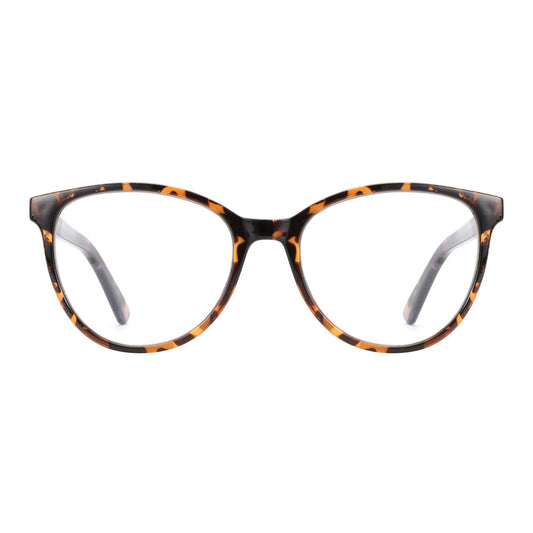
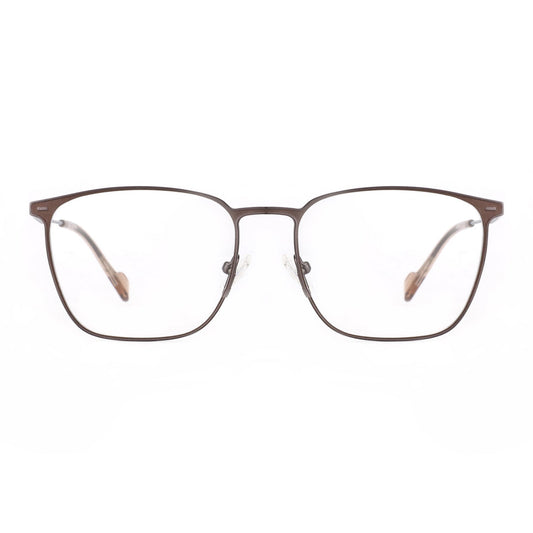
Choose acetate or lightweight metal frames in smaller to medium sizes. Full-rim designs in classic shapes such as soft cat-eye, gentle rectangles, or rounded squares tend to provide good edge coverage while remaining versatile across outfits. Darker or mid-tone frames can sometimes create a more polished silhouette, but color should be secondary to size and rim coverage.
For professional settings, opt for refined metal or acetate frames in neutral tones that coordinate with workwear. In casual or social situations, you can experiment with subtle patterns or slightly more expressive shapes as long as the overall dimensions stay controlled.
Our Women glasses collection features many compact styles that pair well with high-index lenses for strong prescriptions.
The Ultimate Face Shape Guide: How to Find Your Perfect Glasses in 2026 offers additional help matching frame geometry to your features while keeping high-Rx considerations in mind.
Practical Checklist Before You Buy
Use this quick self-audit when evaluating frames for a -10.00 or stronger prescription:
- Is the frame small to medium in both width and lens height?
- Does the design provide reasonable coverage around the lens edges?
- Have you selected at least 1.67 index (or 1.74 for larger frames)?
- Does the style still look balanced even if the lenses end up slightly thicker than average?
- Are you choosing the glasses primarily for daily wear rather than occasional bold statements?
If several answers are no, consider adjusting your shortlist to reduce the chance of disappointment. Remember that actual results also depend on your pupillary distance, frame fit, and the specific lens design chosen by the lab.
This article discusses comfort and styling setup advice only. It does not constitute medical advice, diagnosis, or treatment. If you experience persistent discomfort or have existing eye conditions, consult a qualified eye care professional.
Final Thoughts on Styling Strong Prescriptions in 2026
A -10.00 prescription does not have to limit your style choices. By combining compact frames, appropriate high-index lenses, and designs that contain rather than expose the edges, you can achieve glasses that look polished and feel balanced for daily life. The key is treating frame size and lens material as equally important decisions rather than focusing on fashion trends alone.
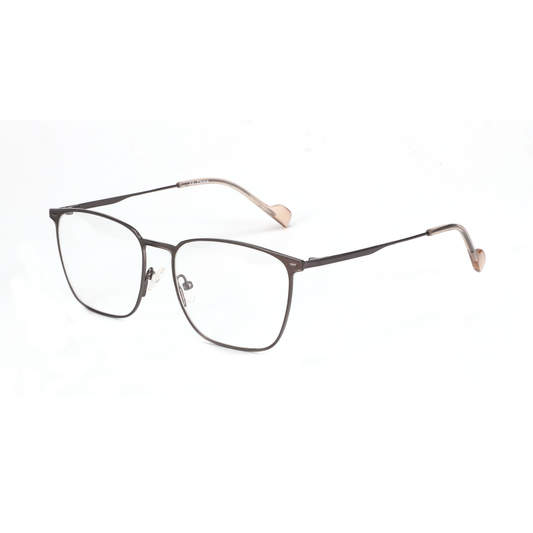
Take time to compare options within smaller sizing ranges and consider 1.74 high-index lenses when maximum slimness matters. Many of our frames, including the Zenottic Nancy and Ernest collections, are designed to work well with strong prescriptions when paired with the right lenses.
With these guidelines, you can confidently select eyewear that complements your features and lifestyle without the bulk you may have experienced in the past. The result is often more comfortable, lighter, and better integrated into your personal style than you might expect.
