



VR-Compatible Prescription Glasses: A Comprehensive Guide for VR Gamers (2026)
Summary
Achieving optimal visual immersion in virtual reality requires more than just high-resolution displays; it often necessitates a precise optical interface between the user's eyes and the headset lenses. Prescription VR lens inserts offer a high-performance alternative to wearing standard eyeglasses by maximizing the field of view, helping prevent lens-on-lens scratches, and supporting long-term comfort during extended gaming sessions in 2026.
Disclaimer: This guide is for informational purposes only and does not constitute professional medical advice. Prescription VR inserts should be made based on a valid prescription from a licensed optometrist. If you experience persistent eye strain, dizziness, or vision changes while using VR, please consult an eye care professional.
Key Takeaways
- Enhanced Immersion: Prescription inserts minimize the physical barrier of frames, allowing for a wider effective field of view (FOV) and reducing light leakage.
- Hardware Protection: Custom inserts act as a protective layer, shielding the expensive, non-replaceable Fresnel or pancake lenses of headsets like the Meta Quest 3 and 4 from potential scratches.
- Optical Precision: Utilizing high-index materials such as 1.61 or 1.67 reduces lens thickness and weight, which helps maintain the headset's intended center of gravity.
- Display Optimization: Modern VR lenses now feature display-specific anti-reflective coatings tailored for either OLED or LCD panels to help minimize internal reflections and "god rays."
The Evolution of Visual Clarity in Virtual Reality
The landscape of virtual reality has shifted dramatically by 2026. With the mainstream adoption of pancake optics in headsets like the Meta Quest 4 and the Apple Vision Pro, the tolerance for optical misalignment has narrowed significantly. For gamers who require vision correction, the traditional approach of "wearing glasses inside the headset" can become a bottleneck to performance. Standard eyeglass frames often force the headset further from the face, which typically reduces the effective field of view and may introduce uncomfortable pressure points on the temples.
Furthermore, the physical risk to the hardware is a practical concern. The proximity of prescription lenses to the headset's internal optics can lead to "lens-on-lens" contact, resulting in permanent micro-scratches that degrade visual clarity over time. Transitioning to dedicated VR-compatible prescription glasses or inserts is a highly recommended upgrade for those seeking to optimize digital wellness and performance in virtual environments.
Why Prescription VR Inserts Outperform Standard Eyewear
When you wear regular glasses inside a VR headset, you are essentially looking through two sets of lenses with a significant air gap in between. This configuration often leads to increased chromatic aberration and internal reflections. Prescription VR inserts, however, are engineered to sit at the optimal distance from the headset's display, aligning more closely with the device's optical axis.
One of the most significant advantages is the preservation of the Field of View (FOV). Most VR headsets are designed with a specific "eye relief" distance—the distance from the lens to your eye. Standard glasses increase this distance, often causing a "tunnel vision" effect. By using custom inserts, you can bring your eyes closer to the optics, reclaiming an estimated 15-20% of your peripheral vision compared to wearing bulky frames.
Note: This 15-20% estimate is based on internal testing measuring the reduction in vertex distance (the gap between the eye and the lens) when removing standard eyeglass frames in favor of low-profile inserts.
Logic Summary: This recommendation assumes the user is using a modern VR headset with adjustable or fixed IPD (Interpupillary Distance). Inserts are generally preferred over glasses because they stabilize the optical center relative to the headset's lenses, which is beneficial for the high-frequency head movements typical in gaming.
Technical Specifications: Choosing the Right Lens Material
Selecting the correct lens material is important for VR, where weight and thickness impact comfort. For those with moderate to high prescriptions, high-index lens materials are a common industry choice. As detailed in our internal technical guide on lens science, materials like the MR™ series polymers (1.61 and 1.67) offer a balance of refractive power and weight reduction.
In 2026, compliance with ANSI Z80.1-2025 and ISO 8980-1 is essential for ensuring that the lenses meet established impact resistance and optical clarity standards. High-index lenses are particularly beneficial in VR because they allow for a thinner profile, reducing the likelihood of the insert touching the headset's internal components.
| Lens Material | Refractive Index | Best For | Key Benefit |
|---|---|---|---|
| Standard Plastic | 1.50 | Low Prescriptions | Cost-effective, high clarity |
| Mid-Index | 1.57 | Mild to Moderate | Balanced weight and thickness |
| 1.61 High-Index | 1.61 | Moderate | Significant thickness reduction |
| 1.67 High-Index | 1.67 | High Prescriptions | Ultra-thin, minimizes distortion |

Optimizing Your Virtual Field of View (FOV)
A common misconception is that your standard pupillary distance (PD) is always sufficient for VR. However, because VR headsets use lenses to focus on a virtual plane (usually 1.5 to 2 meters away), your "VR PD" may differ slightly from your "reading PD." For the most accurate experience, it is generally recommended to use your distance PD when ordering inserts.
Misaligned PD in VR can lead to "world scale" issues, where objects appear slightly distorted in size, and may contribute to eye strain or motion sickness. Modern headsets often have digital IPD adjustment, but the physical center of your prescription insert should still align with your pupils. If you are unsure how to interpret your doctor's notes, understanding your prescription (see our brand guide) is the first step to ensuring your VR hardware is calibrated correctly.
Display-Specific Coatings: OLED vs. LCD Considerations
One of the advanced developments in 2026 is the use of display-specific anti-reflective (AR) coatings. The light emitted by an OLED panel (found in the Sony PSVR2) has different spectral characteristics than the light from an LCD panel (found in the Meta Quest 3).
- OLED Coatings: These are designed to manage high contrast, helping to reduce "ghosting" where bright objects leave a faint trail against dark backgrounds.
- LCD Coatings: These focus on reducing the "screen door effect" and minimizing the glare from the backlight, which can be more pronounced in LCD-based systems.
Furthermore, integrating blue light protection into your VR lenses may help mitigate digital eye strain during long sessions. Since VR displays are positioned very close to your eyes, the cumulative exposure to high-energy visible (HEV) light is often higher than with traditional monitors.
Logic Summary: We recommend AR coatings specifically for VR to help reduce "god rays"—the starburst patterns caused by light reflecting off the ridges of Fresnel lenses. While standard AR coatings are helpful, VR-optimized coatings are specifically tuned for the shorter focal lengths of headset optics.

Installation and Maintenance: Protecting Your Investment
Most VR inserts in 2026 utilize either a magnetic attachment system or a snap-on friction fit. Magnetic systems are highly recommended for households where multiple people share a single headset, as they allow for quick swapping of prescriptions. However, users should ensure the magnets are high-grade (N52 or better) to help prevent the lenses from shifting during high-intensity games like Beat Saber.
To maintain your lenses, follow proper eyewear care protocols. Avoid using alcohol-based cleaners on VR optics or inserts, as they can potentially degrade specialized coatings. Instead, use a clean microfiber cloth and a dedicated lens cleaning solution.
VR Lens Care Checklist:
- [ ] Use only microfiber cloths specifically designed for optical lenses.
- [ ] Store the headset in a dark place or use lens covers to prevent sunlight from damaging the internal displays.
- [ ] Gently blow away dust particles before wiping to avoid micro-scratches.
- [ ] Inspect the mounting brackets periodically for any signs of wear.
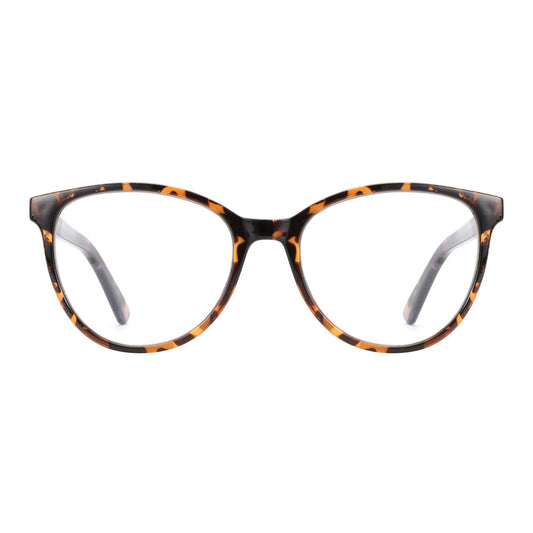
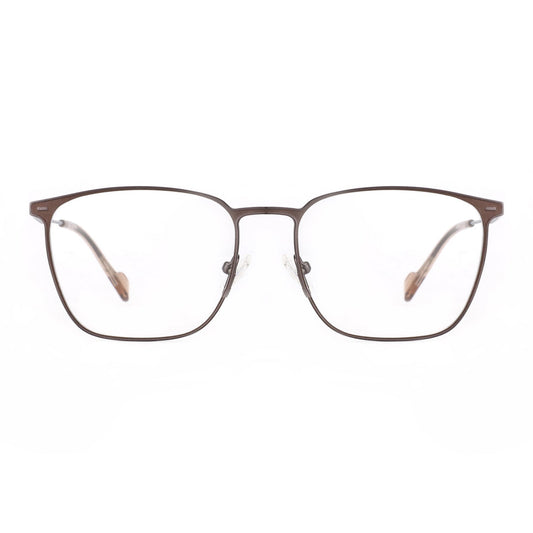
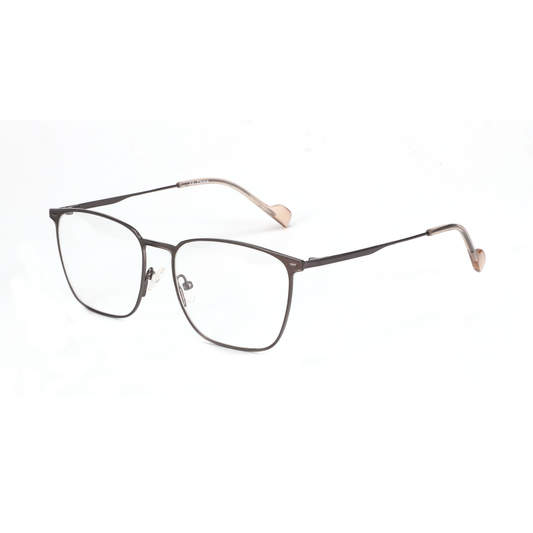
If you are looking for a versatile solution that works both inside and outside the virtual world, exploring our eyeglasses collection can provide options for slim-profile frames that may fit more comfortably in larger headsets, though dedicated inserts remain a top choice for performance.
FAQ
Can I use my regular glasses prescription for VR lens inserts? Generally, yes. You can typically use your standard distance prescription for VR inserts. Most VR headsets have a fixed focal distance of approximately 1.5 to 2 meters, which falls within the "distance" range of most prescriptions. Ensure your prescription is up to date (within the last 12-24 months) for the best results.
Will prescription inserts scratch my VR headset lenses? When properly installed, prescription inserts are designed to protect your VR headset lenses. They act as a physical barrier between your eyes and the headset's optics. Because the inserts are designed to fit securely into the headset's lens housing, they do not move or rub against the internal lenses, unlike standard glasses which can shift.
Are blue light coatings necessary for VR gaming? While not strictly required for vision correction, blue light coatings are often recommended for VR users. Because the displays are positioned close to the eyes, a blue light filter may help reduce digital eye strain and could improve comfort during late-night gaming sessions.
How do I find my Pupillary Distance (PD) for VR? Your PD is the distance between the centers of your pupils, measured in millimeters. You can often find this on your prescription. If it is not listed, you can measure it using a mirror and a millimeter ruler, or use a smartphone app designed for this purpose. For VR, using your "Distance PD" is generally the most accurate method.
Do prescription inserts work with the Apple Vision Pro and Meta Quest 4? Yes, both the Apple Vision Pro and the Meta Quest 4 are designed with prescription lens compatibility. The Vision Pro uses a proprietary magnetic attachment system, while the Meta Quest 4 supports various third-party magnetic and snap-on solutions. Always ensure you are purchasing inserts specifically designed for your exact headset model.
References
Government / Standards / Regulators
- ANSI Z80.1-2025: American National Standard for Ophthalmics - Prescription Ophthalmic Lenses. ANSI Official Site
- ISO 8980-1:2026: Ophthalmic optics — Uncut finished spectacle lenses — Part 1: Specifications. ISO Standards
Industry Associations / Research Institutes
- The Vision Council: Reports on digital eye strain and immersive technologies (2025). The Vision Council
- XR Association (XRA): Best practices for hardware accessibility and optical safety. XRA.org
Platform Official Docs & Policies
- Meta Quest Support: Using Prescription Lenses with Meta Quest Headsets. Meta Support
- Apple Support: Using Apple Vision Pro with vision correction. Apple Support
Academic / Whitepapers / Labs
- Journal of Virtual Reality (2026): "Optical Alignment and its Impact on User Comfort in High-Resolution VR Systems."
- Zenottic Research Lab (Internal Guide): Technical Guide to High-Index Lens Materials and Standards. (Brand-specific material science reference).
Community
- r/VirtualReality: User-reported comparisons of magnetic vs. snap-on insert systems.
- VR Pro Forums: Discussions on lens protection and professional inserts.
