



What Geometric Eyeglasses Are Gaining Popularity in 2026?
Fashion moves fast, eyewear is taking a sharp turn—literally. The gentle curves of the past few years are giving way to structured, deliberate lines. 2026 eyewear trends are defined by geometry. It is not just about squares and circles anymore; it is about hexagons, octagons, and hybrid shapes that challenge traditional silhouettes. This shift reflects a desire for individuality and technological precision. This guide explores the most popular geometric styles emerging in 2026 and how you can incorporate these bold designs into your everyday look.
The Evolution of Eyewear: Why 2026 is the Year of Geometry
For decades, eyewear fluctuated between round "John Lennon" styles and rectangular professional frames. However, 2026 marks a departure from these safe standards. The "Year of Geometry" is driven by a cultural shift towards minimalist geometric metal frames. Consumers are looking for accessories that feel engineered rather than just designed.
Our lives are increasingly digital, and our avatars often wear bold, distinct accessories. This virtual aesthetic is bleeding into reality. People want frames that stand out on a Zoom call or a social media feed. Geometric shapes offer that visual punch. They communicate sharpness, intelligence, and a forward-thinking mindset. This is why modern retro eyewear is being reimagined with crisp angles instead of soft slopes, merging nostalgia with the precision of the digital age.
Top Trending Eyewear Shapes: From Hexagonal Hybrids to Architectural Octagons
The specific shapes gaining traction are versatile and intriguing. They are not merely novelty items; they are wearable art.
Octagon
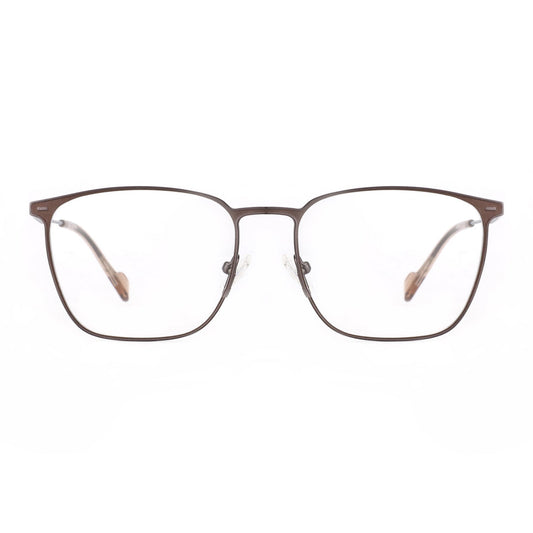
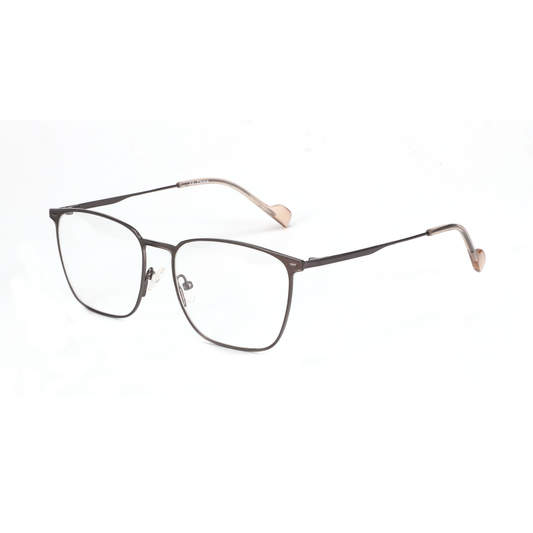
Octagonal metal frames are the breakout star of the season. They offer a sophisticated alternative to the classic round wire frame. By adding eight subtle corners, designers create a structure that flatters the face without overwhelming it. These frames are particularly popular in thin, lightweight metals, making them elegant enough for the office but edgy enough for evening wear.
Cat-Eye
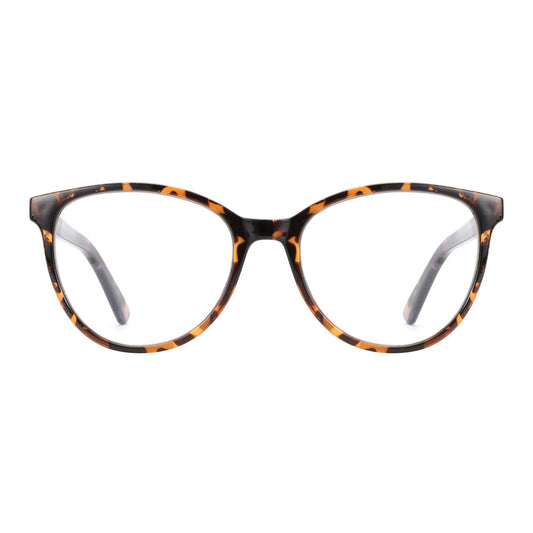
The classic cat-eye is getting a geometric update. Instead of the sweeping, curved uplift of the 1950s, the 2026 version features an angular cat-eye silhouette. The corners are sharp, almost architectural. This creates a lifting effect for the face that feels aggressive and powerful rather than retro and pin-up. It is a favorite among professionals who want to project authority and style simultaneously.

Materials of the Future: 3D-Printing and Sustainable Sculptural Metals
The shape is only half the story; the material makes the frame possible. Traditional acetate carving has limits, but new technologies are breaking them.
3D-Printed Precision
3D printing allows for complex geometric structures that would be impossible to mold. Designers can create hollow, lattice-like frames that are incredibly light yet bulky in appearance. This technology supports the 2026 eyewear trends by enabling custom-fit geometry. You can print a hexagonal frame that perfectly matches the width of your cheekbones, ensuring the angles hit exactly the right spots.
Sustainable Metals
recycled steel and titanium are being sculpted into rigid, thin lines. These materials are perfect for octagonal metal frames because they hold their shape under stress. The trend is moving towards raw, industrial finishes—brushed steel, matte aluminum, and unpolished titanium—which highlight the architectural nature of the geometric design.
The "Soft Geometry" Aesthetic: Balancing Bold Angles with Wearability
Not everyone wants to look like a sci-fi character. For the mainstream market, "Soft Geometry" is the key buzzword.
Soft geometric acetate frames bridge the gap between avant-garde and wearable. They take a hard shape, like a hexagon, and round off the corners slightly. Or they take a square frame and give it a polyhedral twist. This softens the impact on the face. It allows the wearer to participate in the geometric trend without the harshness of razor-sharp edges.
This style is perfect for those with angular features who might be wary of adding more sharp lines to their face. A soft geometric frame complements a strong jawline rather than competing with it. It represents the maturation of the trend, moving from the runway to the high street.

Color and Contrast: Translucent Tones and Chrome Finishes
Geometry relies on lines, and color helps define those lines. In 2026, the color palette is split between hyper-visibility and subtle integration.
Translucent Acetates
Clear and pastel acetates are huge. They allow the light to pass through the frame, highlighting the internal wire core and the cut of the plastic. A translucent geometric frame looks like a jewel on the face. It is less heavy than a solid black frame, making the unusual shape feel lighter and more approachable.
Chrome and Metallic Pop
For octagonal metal frames, chrome and high-shine silver are dominant. These reflective surfaces catch the light, emphasizing the corners and angles of the design. It creates a "jewelry" effect, where the glasses serve as the primary accessory for the outfit. Contrasting temple tips in bold neon colors are also a common detail, adding a flash of modern retro eyewear flair to an otherwise industrial look.
Digital-Ready Style: How Geometric Frames Enhance On-Screen Presence
As remote work and digital content creation continue to thrive, our "shoulders-up" appearance matters more than ever. Geometric frames are uniquely improved for this environment.
Standard glasses can sometimes get lost on a low-resolution webcam. An angular cat-eye or a bold hexagon provides a clear, distinct outline. It acts as a visual anchor. The sharp lines read well on small mobile screens, making your face memorable. This "screen appeal" is a significant driver behind the sales of bold geometric shapes. People are choosing eyewear that doubles as a personal branding tool in the digital space.
Select the Right 2026 Silhouette for Your Face Shape
With so many angles to choose from, finding the right fit is crucial. The old rules of "opposites attract" still apply, but with a modern twist.
If you have a round face, you are the ideal candidate for this trend. Sharp, angular structures like rectangles and hexagons add definition. They break up the softness of the face. An angular cat-eye will lift the cheekbones and elongate the face beautifully.
For square faces, you might think you should avoid geometry. However, soft geometry frames work wonders here. Look for shapes like a heptagon (seven sides) or a rounded octagon. These provide the trendy geometric look but have enough curves to harmonize with a strong jawline rather than making it look blocky.
Conclusion
The eyewear landscape of 2026 is exciting, driven by a fusion of digital aesthetics and architectural design. Whether you opt for the sharpness of an angular cat-eye or the refined complexity of octagonal metal frames, there is a geometric style for everyone. These frames are more than just a way to correct vision; they are a declaration of style. By embracing soft geometry frames and innovative materials, you can update your look instantly. Step out of the circle and into the polygon—the future of eyewear is angular, bold, and undeniably stylish.
FAQs
Are geometric glasses suitable for high prescriptions?
Yes, but lens thickness matters. Geometric frames with smaller lens widths, like octagons, are actually excellent for high prescriptions because they cut out the thickest part of the lens edge.
Will geometric frames go out of style quickly?
While extreme shapes might fade, subtle geometry like soft geometry frames has becoming a new classic. They offer a modern update to traditional shapes that will remain stylish for years.
Can I wear octagonal frames to a professional job?
Absolutely. Thin octagonal metal frames are very professional. They convey attention to detail and modernism without being distracting or overly loud like chunky plastic frames.
Do these angular shapes fit all nose types?
Most metal geometric frames come with adjustable nose pads, making them universally fittable. Acetate frames might require more careful selection to ensure the bridge fits your nose shape comfortably.
What is the difference between retro and modern retro eyewear?
Retro refers to reproducing old styles exactly (like 1970s aviators). Modern retro eyewear takes those vintage inspirations but updates them with new materials, sharper angles, and contemporary manufacturing techniques for a fresh look.
