



Makeup for High Prescriptions: Flawless Looks Behind Lenses
Wearing high-prescription glasses does not mean you have to sacrifice a polished eye makeup look. With the right techniques, product choices, and lens upgrades, women with high myopia can achieve defined, flattering eyes that stay smudge-free throughout a full day of wear. The key is addressing both the minification effect of strong minus lenses and the practical challenge of makeup transferring onto thick lenses, especially around -6.00 and stronger prescriptions.

High myopia, also known as nearsightedness, is commonly corrected with minus lenses that can make the eyes appear smaller through the optics. As this American Academy of Ophthalmology resource on myopia explains, strong prescriptions change how the eye is seen through the lens, which often prompts extra attention to makeup placement and frame choice.
Understanding the Minified Eye Effect and Lens Thickness Challenges
Strong minus prescriptions create a minification effect where the eyes can look smaller behind the lenses. This is a natural result of the optics rather than a flaw in your appearance. At the same time, thicker lenses common in standard materials for high prescriptions increase the chance of mascara, eyeliner, or concealer brushing against or transferring onto the glass.
Many wearers notice smudging during commutes, long office hours, or humid conditions. The good news is that targeted adjustments in both makeup routine and eyewear can minimize these issues. Frame fit plays a major role because proper positioning helps maintain distance between lashes and lenses. According to guidance from the American Optometric Association on choosing the right frame, lens position and spacing affect comfort and how easily makeup contacts the lenses.
Myth vs Reality: Common Misconceptions About Makeup with High-Prescription Glasses
Several widely shared ideas can set unrealistic expectations. One frequent myth is that any waterproof mascara will completely solve smudging with glasses. In reality, waterproof formulas help reduce one type of transfer but do not prevent all flaking or contact issues, especially with thick lenses or long wear.

Another common belief is that makeup alone can fully counteract the minified-eye appearance from high minus prescriptions. While strategic techniques can soften the look, the optical effect remains, so combining makeup with thoughtful frame and lens choices usually delivers better results. The idea that thicker lenses are always the primary culprit for makeup problems is also overstated. Thickness matters, but frame size, fit, and material often influence outcomes just as much.
Finally, some assume frame size has little impact on eye makeup success. The opposite is true: frame fit affects lens positioning and available space for lashes and product, directly influencing both comfort and appearance. Prioritizing lens material and fit before over-relying on makeup technique tends to yield more satisfying daily results.
Makeup Techniques to Make Eyes Appear Larger Behind High-Prescription Lenses
To offset the minification effect, focus on opening up the eye area without overloading the lash line. Use lighter shades in the inner corners and along the lower waterline to create brightness and the illusion of larger eyes. A soft, blended eyeshadow in neutral or slightly shimmering tones works better than heavy dark shades that can emphasize the smaller appearance.
Eyeliner application needs care. Opt for thin, precise lines rather than thick wings that may look unbalanced through strong lenses. Tightlining the upper lash line can add definition without visible bulk. For brows, keep them well-groomed and slightly lifted to frame the eyes and draw attention upward.
Concealer under the eyes should be applied sparingly and set thoroughly with a finely milled powder to prevent creasing or transfer onto the lenses when you blink or adjust your glasses.
Preventing Mascara Smudges and Transfer on Thick Lenses
Mascara is often the biggest culprit for lens smudges. Choose tubing mascaras or long-wear, smudge-proof formulas specifically marketed for glasses wearers. These wrap around each lash rather than adding bulky volume that can flake or brush against the lenses.
Apply mascara with your glasses off if possible, then let it fully dry for at least 30-60 seconds before putting your frames back on. Avoid pumping the wand repeatedly, as this introduces air and increases the chance of flaking. For extra insurance, a clear setting gel or primer on the lashes can help lock everything in place.
If you experience frequent lower lash transfer, consider skipping mascara on the lower lashes or using a very light coat of a conditioning formula instead. Cleaning your lenses regularly with a dedicated solution rather than wiping with clothing also reduces the buildup of oils and product residue.
How Frame Size, Shape, and Fit Affect Makeup and Lens Contact
Your choice of frames significantly influences how makeup performs with high prescriptions. Smaller, well-fitted frames often provide better lash clearance and reduce the visual crowding that can make minified eyes appear even smaller. Larger frames may require more strategic makeup to maintain balance, as the thicker lens edges become more prominent.
Pay close attention to nose bridge height, temple fit, and pantoscopic tilt. Frames that sit too close to the lashes increase smudging risk, while those with adequate vertex distance create breathing room. Round or soft cat-eye shapes can be particularly flattering for high myopia because they soften facial lines and complement eye-enhancing makeup.
This authoritative guide on choosing the right frame size and fit highlights how proper positioning supports comfort and reduces unwanted lens contact.
When Upgrading to 1.74 High-Index Lenses Improves Comfort and Appearance
For prescriptions of -6.00 and stronger, high-index lenses can make a meaningful difference in both lens thickness and overall look. A higher refractive index bends light more efficiently, allowing the same prescription to be delivered in a thinner profile. This reduces edge bulk that can distort the appearance of eye makeup and lowers the chance of lashes touching the lenses.
As explained by optical resources like ZEISS on high-index lenses, these materials make strong prescriptions thinner and often lighter than standard options. The benefit becomes more noticeable in the -6.00 to -8.00 range and is especially compelling above -8.00, particularly with larger frames.
Upgrading can improve your makeup experience by creating a flatter lens surface that is easier to keep clean and less prone to smudging. However, consider trade-offs such as cost and potential minor optical differences like chromatic aberration in very strong prescriptions. Many wearers find the cosmetic and comfort gains outweigh these for daily use.
When 1.74 High-Index Lenses Start to Matter More
Heuristic upgrade guide for high-prescription wearers: stronger minus prescriptions tend to gain more visible cosmetic benefit from 1.74 high-index lenses, especially in larger frames and social/makeup-sensitive settings.
View chart data
| Category | Perceived Thickness Relief | Makeup/Smile Ease | Worth Upgrading |
|---|---|---|---|
| -4 to -6 | 2.0 | 2.0 | 1.0 |
| -6 to -8 | 4.0 | 4.0 | 4.0 |
| -8+ | 5.0 | 5.0 | 5.0 |
Bounded heuristic model based on the supplied threshold table and scenario matrix, plus targeted web research noting that cosmetic/thickness benefits become more noticeable around -6.00 and stronger. Scores are relative (1-5), not official measurements; they represent decision aid intensity, not clinical outcomes.
This chart provides a visual decision aid showing how perceived benefits from 1.74 lenses generally increase with stronger prescriptions. The scores are heuristic and relative only.
Scenario-Based Strategies: Choosing the Right Approach for Your Lifestyle
Your daily routine should guide specific choices. For office or screen-heavy days, prioritize comfortable frames with good fit and smudge-resistant formulas that tolerate long wear without constant touch-ups.
During commutes or mixed environments with temperature changes, focus on transfer-resistant products and frames that maintain stable positioning. Social outings or events call for tubing mascara and eye-opening makeup techniques paired with frames that flatter your features without overpowering them.
In quick morning routines, selecting the right lens index upfront saves time. For prescriptions above roughly -8.00, 1.74 high-index lenses often simplify the process by reducing visible edge thickness and lens-to-lash contact. Smaller frames generally help with lash clearance in high-prescription setups, while larger frames may require more precise makeup application.
Product Recommendations and Long-Wear Checklist
Look for oil-free, long-wear foundations and concealers that set to a matte or satin finish. Powder products tend to perform better than creams near the eye area. For mascara, tubing or fiber formulas designed for sensitive eyes or glasses wearers are ideal.
A practical checklist for high-prescription makeup success includes:
- Choose frames with adequate lash clearance and proper fit
- Select 1.74 high-index lenses for prescriptions -6.00 and stronger when thickness is a concern
- Use tubing or smudge-proof mascara and allow full drying time
- Apply lighter makeup on lower lashes and inner corners to brighten
- Set all products thoroughly with a translucent powder
- Clean lenses daily with appropriate solutions to prevent buildup
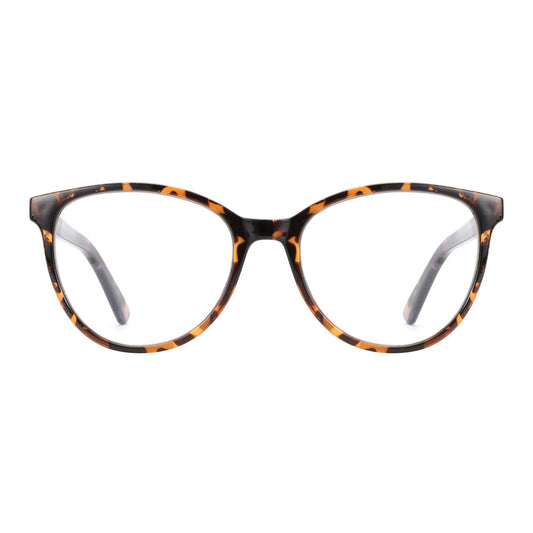
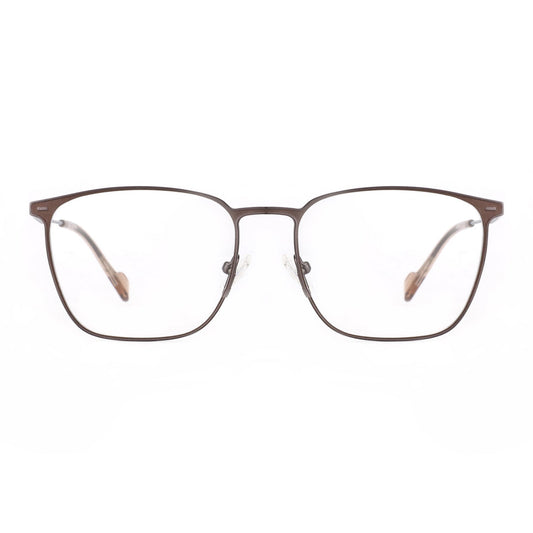
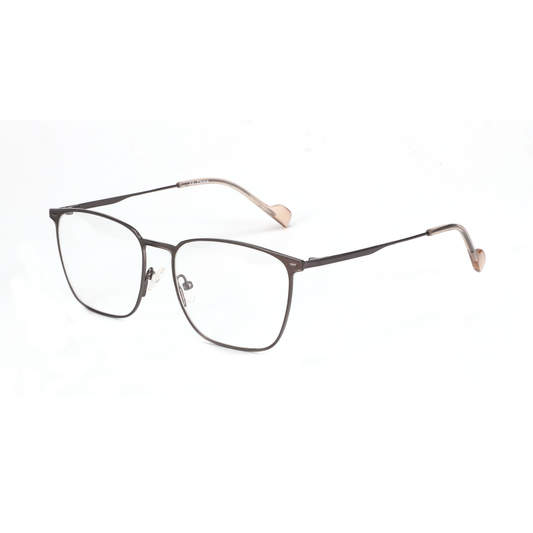
Many women in this situation also explore women's eyeglasses collections that support high-index options in flattering shapes. Frames like the Zenottic Eyeglasses Roxanne or Zenottic Eyeglasses Mamie are designed with high prescriptions in mind.
For deeper guidance on lens selection, review this technical guide to high-index lens materials or learn when 1.74 high-index lenses are actually worth the upgrade.
How to Choose Makeup Products That Last All Day with Glasses
Prioritize formulas labeled as long-wear, waterproof, or transfer-resistant. Test products on your skin for several hours with your glasses on before committing to full-face use. Avoid heavy creams or oils near the eye area, as these increase smudge risk.
Professional women and students often benefit from a minimalist approach: well-defined brows, precise liner, and conditioned lashes paired with a reliable setting spray. This combination looks polished without requiring frequent adjustments.
Important Note on Eye Comfort: This article discusses cosmetic techniques and eyewear setup advice only. It is not medical advice, does not diagnose or treat eye conditions, and does not replace professional vision care. If you experience persistent discomfort, dryness, or changes in vision while wearing glasses or using eye makeup, consult a qualified eye care professional. Individuals with existing eye conditions should seek personalized guidance before changing their routine.
By combining smart makeup placement, smudge-resistant products, well-fitting frames, and potentially upgrading to 1.74 high-index lenses, high-prescription wearers can enjoy confident, flawless looks that hold up from morning meetings to evening events. The most successful approach depends on your specific prescription, frame style, and daily demands, but small adjustments often deliver noticeable improvements in both comfort and appearance.
Start by assessing your current frames and lens thickness, then experiment with one or two targeted makeup changes. Many discover that the combination of better lens materials and refined technique finally lets them feel put-together without the constant worry of smudges or unbalanced eyes. Explore more style inspiration in our eyewear style guide or check the best-selling products for high-prescription friendly options.
