



When Should You Replace Your Eyeglass Frames?
There is no universal answer to when to replace eyeglass frames. The practical trigger is a change in dependable use: cracks, severe bending, loose lenses, repeated breakage, persistent discomfort, an incompatible prescription, or a routine your current frame no longer suits. Cosmetic wear—such as a faded finish or minor frame scratches—usually makes replacement optional when the fit and structure remain sound.

Start by classifying the problem as cosmetic, functional, prescription-related, or lifestyle-related. Then compare a professional adjustment, repair, lens-only update, or a new pair. If damage affects lens position, visibility, stability, or comfort, ask an optician or other qualified eye-care professional to assess it rather than relying on appearance alone.
When to Replace Eyeglass Frames: Separate Functional Wear From a Cosmetic Refresh
The best way to decide whether to replace your glasses is to separate visible aging from problems that affect secure, comfortable wear. A cosmetic refresh is preference-led; functional instability calls for assessment, repair, or replacement.
Structural Damage and Repeated Breakage
Cracks and recurring failures deserve more attention than ordinary finish wear. Inspect the frame for:
- Cracks in the bridge, rims, or temples
- A broken bridge or rim that no longer holds its shape
- Lenses that feel loose or move in the frame
- Hinges that repeatedly fail after repair or tightening
- Severe bending that changes lens position or makes the frame unstable
A limited hinge, nose-pad, or alignment problem may be repairable when the rest of the frame is sound. However, damage that affects lens retention, stability, visibility, or dependable daily wear is a reason to seek prompt professional assessment. The American Optometric Association's workplace eye-protection guidance applies to safety eyewear, so it should not be treated as a rule that every ordinary frame scratch requires replacement.

Persistent Fit Problems
A frame that repeatedly slips, pinches, or presses in one spot may need adjustment—or may no longer be a suitable size or shape. Use this sequence:
- Locate the problem. Note whether the movement is at the bridge, temples, behind the ears, or along one side. Also note pressure, headaches, or discomfort during a specific activity.
- Request a qualified adjustment. A sound frame may respond to professional reshaping, nose-pad work, or alignment correction. For practical tips, see how to stop glasses from slipping.
- Reassess the frame. If it remains unstable, pinches, sits unevenly, or causes persistent discomfort, ask whether its dimensions, condition, or construction still suit you.
A replacement becomes more practical when adjustments provide only temporary relief or the frame cannot sit securely without constant correction. Do not assume a new frame will resolve discomfort automatically; the replacement still needs a proper fit check.
Scratches, Coating Wear, and Lens-Related Friction
Scratches in the frame finish are usually cosmetic if the frame remains structurally sound. They may justify a style refresh, but they do not automatically mean the frame must be replaced. Fading, small surface marks, or dated styling can be weighed against your budget and preferences.
Scratched lenses and deteriorated lens coatings are a separate issue. If the lenses are the source of glare, visual distraction, or frustration, ask whether a lens-only update is possible before discarding a suitable frame. A professional should still confirm that the frame is appropriate for the replacement lenses.
When Prescription or Daily Routines Change
A frame can look intact and still become the wrong choice after a prescription update or a change in daily activities. Compare these factors before choosing replacement frames:
- Whether an optical professional confirms that the existing frame can accept the updated prescription and lens dimensions
- Whether the frame stays stable and comfortable during screen-heavy work, driving, outdoor use, or frequent movement
- Whether the frame provides suitable coverage and remains secure for the demands of your main routine
Prescription Updates and Lens Compatibility
New lenses may fit an existing frame, but eligibility is not automatic. An optical professional should check the frame's condition, shape, dimensions, mounting integrity, and the updated prescription or lens design before you assume a lens-only update will work. Replacement-lens guidance supports this as a possibility, not a guarantee.
Lens transfer may be worth asking about when you like the frame, it remains comfortable, and there is no sign of structural weakness. A new frame is more practical when the current one cannot accommodate the required lens dimensions, has mounting damage, or would leave the lenses poorly positioned.
Do not order replacement lenses based only on the numbers printed inside the temples. Those measurements help identify a starting point, but they do not confirm that a particular frame-and-lens combination will work.
Work, Driving, and Active-Use Changes
A change in routine can alter what “suitable” means. Compare your main activity, movement level, environmental exposure, and comfort needs:
- Screen-heavy work: Check whether the frame stays centered and comfortable through long periods of wear. A frame that needs frequent repositioning may be a poor daily choice even if it looks fine.
- Driving: Stability and clear, unobstructed lens positioning matter more than a cosmetic update. Ask a professional about any concern involving lens position or prescription needs.
- Outdoor use: Consider whether the current frame remains comfortable and secure in the conditions where you wear it. Do not treat any frame material or style as a guarantee of protection or performance.
- Frequent movement: If the frame shifts during exercise, commuting, or active work, compare its fit and retention with the demands of that activity.
This is why when to replace eyeglass frames is often a use-case decision. A sound pair may remain suitable for one routine while being inconvenient for another.
Repair or Replace Your Glasses? Use a Practical Comparison
Repair is worth exploring when the problem is limited and the frame remains comfortable, structurally sound, and compatible with your lenses. Replacement is more practical when repair would not restore dependable use. A third outcome—professional assessment first—is appropriate when the damage or lens position makes the next step uncertain.
| Factor | Repair first | Replace the frames | Professional assessment first |
|---|---|---|---|
| Damage severity | A limited hinge, nose-pad, alignment, or reshaping issue | Cracks, repeated breakage, or damage that cannot reliably hold the lenses | Severe bending, uncertain lens position, or damage you cannot evaluate confidently |
| Fit stability | The frame fits well apart from a correctable issue | Poor fit persists after adjustment or the size is clearly unsuitable | Instability or discomfort continues and the cause is unclear |
| Lens compatibility | Existing lenses remain suitable, or a professional says a lens update is feasible | The required prescription or lens design will not suit the frame | The frame may qualify, but condition or mounting needs checking |
| Quote and warranty | The actual quote is reasonable for the frame's condition, with clear repair terms | Repair effort is disproportionate to the expected result or warranty coverage | You need the quote, warranty, or turnaround explained before deciding |
| Expected reliability | The frame is otherwise sound and the repair addresses the isolated problem | Failures recur or confidence in continued use is low | Structural confidence cannot be established from a visual check |
This is a qualitative comparison, not a price formula. Use the actual repair quote, warranty, turnaround, frame condition, lens-transfer feasibility, and expected reliability. General repair guidance supports asking about reshaping and fit correction for limited problems, but a repair does not guarantee that the frame remains suitable.
When Repair Is Worth Asking About
Ask about repair or adjustment when all of these are broadly true:
- The problem is limited rather than recurring across several parts.
- The frame still feels comfortable and sits in the right position.
- There is no obvious crack or loose lens that undermines confidence in the structure.
- The existing lenses remain appropriate, or a professional can evaluate a lens-only update.
- The quote, warranty, and turnaround make sense for your situation.
For example, a single loose hinge on a comfortable frame favors an assessment or repair conversation. You can also ask about nose-pad replacement, alignment, or reshaping where appropriate. If you want to compare construction trade-offs before buying, compare frame materials, but do not treat a material label as proof of a guaranteed lifespan or fit.
When Replacement Is the More Practical Choice
Replacement is usually the clearer path when the current pair fails one of the basic requirements for dependable use:
- Breakage or instability keeps returning.
- The frame remains loose, pinched, or uneven after a qualified adjustment.
- The current shape or dimensions cannot accommodate the updated lenses.
- The frame cannot retain the lenses securely.
- The repair would address one symptom while leaving the underlying fit or structural problem.
- Your work, driving, outdoor, or active-use needs have changed substantially.
A frame's age alone is not enough to make this decision. Conversely, a relatively new frame may need attention if damage or poor fit makes it unreliable. If you cannot tell whether the problem is cosmetic or structural, choose professional assessment before making a purchase decision.
Choose Replacement Frames Around Your Next Use Case
Once replacement makes sense, shop around the problem you are trying to solve—not around appearance alone. Start with fit and lens requirements, then compare materials, styles, price, and policies.
Confirm Size and Fit Before Style
Use your current frame as a measurement reference, but also write down what you want to change. Before browsing, complete these steps:
- Record the current frame width, bridge measurement, and temple length when available.
- Name the problem to avoid, such as slipping, bridge pressure, short temples, excessive weight, or side-to-side imbalance.
- Compare listing measurements with your current pair and read the return terms before ordering.
A similar number does not guarantee a similar fit because frame shape and bridge placement also matter. If the current frame is uncomfortable, do not simply order the same dimensions in a different style without identifying why.
You can browse frame styles as a navigation step, then narrow the choices using measurements and use-case requirements.
Match Materials and Construction to Wear
Materials are trade-offs, not lifespan promises. Use this comparison to guide questions rather than to predict exactly how a frame will feel or perform.
| Material or construction factor | May suit you when you prioritize | Check before ordering |
|---|---|---|
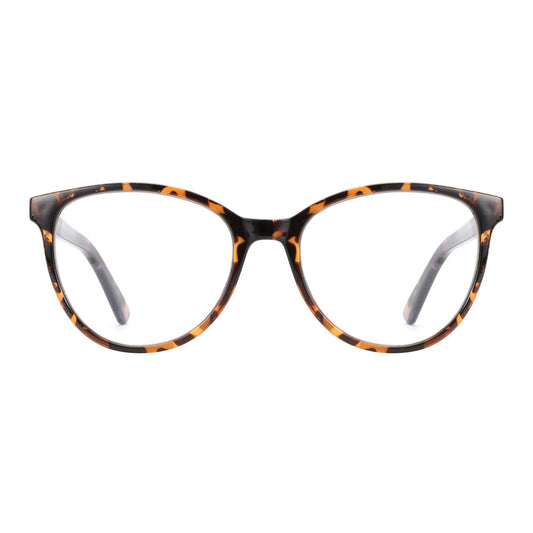
| Acetate | A substantial feel, style flexibility, or a particular frame shape | Weight, bridge fit, frame dimensions, and whether the shape works with your lenses |
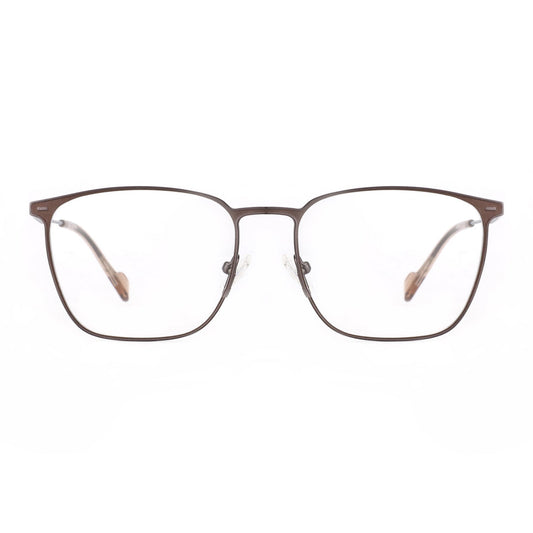
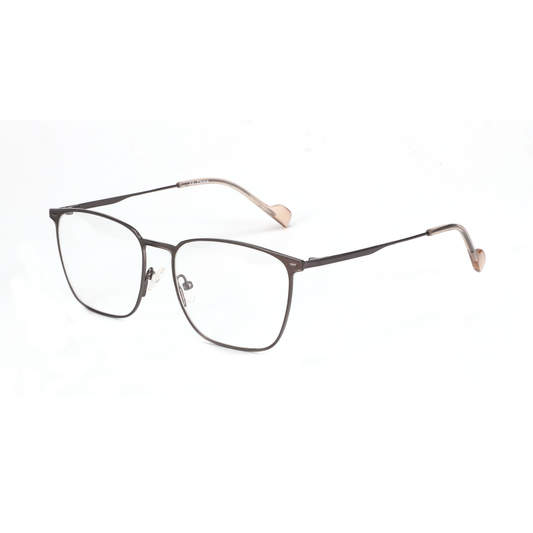
| Metal | A lighter-looking profile or potential adjustability considerations | Nose-pad setup, temple fit, finish, and whether adjustments are available if needed |
| TR90 or similar flexible construction | A lighter, flexible feel may appeal for some routines | Listing-specific details, fit, lens options, and return terms rather than assumed durability |
| Hinge construction | A design that matches how often you handle and wear the frame | Whether the hinge is covered by the listing or warranty details; learn about quality eyeglass hinges for shopping vocabulary |
If acetate fits your style and measurement needs, you can review acetate frame options. Treat the collection as a place to browse, not as proof that every frame will fit, last, or accept a particular prescription.
Check the Online Order Details
Before adding replacement eyeglasses to your cart, verify:
- Frame width, bridge measurement, temple length, and any available fit information
- Prescription details, lens type, coatings, and pupillary-distance instructions
- Whether the selected frame can be ordered with your lens requirements
- Shipping time and whether the delivery window fits your needs
- Return, exchange, warranty, and remake terms
- What happens if the frame does not fit or the prescription needs correction
- Whether you need a usable backup pair while the order is processed
Keep your current pair until the replacement arrives and has been checked during normal use, unless the current pair is damaged or uncomfortable enough that a professional advises against wearing it.
Run These Checks Before You Order
Use this final sequence to decide whether to keep, repair, assess, or replace your frames:
- Classify the concern. Mark it as cosmetic, functional, prescription-related, or lifestyle-related. A finish scratch and a loose lens should not receive the same response.
- Check middle options. Ask about adjustment, repair, lens-only replacement, or an eye-care visit before assuming a new frame is the only answer.
- Record the fit problem. Write down the current measurements and the specific issue to avoid, such as slipping, pinching, uneven temples, or excessive movement.
- Verify the online order. Confirm prescription and lens details, measurements, returns, warranty, shipping, and delivery timing. Shop prescription eyeglasses only after those criteria are clear.
- Keep a backup plan. Retain a safe, usable pair until the replacement is checked. If damage affects lens position, visibility, stability, or comfort, seek professional attention before continuing to wear it. If damage affects lens position, visibility, stability, or comfort, seek professional attention before continuing to wear the frame.
There is no need to replace a sound frame merely because it has reached a certain age. Replace it when condition, fit, lens compatibility, or your daily routine means it no longer provides dependable use—and confirm the practical details before you order.
FAQs
These questions cover edge cases that can change the next step after you have classified your frame's condition and use.
How Often Should You Replace Eyeglass Frames If They Still Fit?
There is no universal replacement schedule. During a routine prescription or lens review, ask an optical professional to check condition, comfort, lens compatibility, and whether your use has changed. If those factors remain suitable, age alone does not require replacement.
Can You Put New Prescription Lenses in Old Frames?
Sometimes, but do not order the lenses first. The frame's shape, dimensions, condition, mounting integrity, and updated prescription affect eligibility. Have an optical professional confirm the combination, especially if the frame has been repaired or bent.
Are Scratched Eyeglass Frames a Reason to Replace Them?
Not usually when scratches are limited to the finish and the structure, fit, and lens retention remain dependable. Replace the frame if the marks reveal cracking, weakness, or a worsening structural problem. Scratched lenses are a separate concern.
Is It Safe to Keep Wearing Bent Glasses?
Limit use and seek professional assessment if bending changes lens position, visibility, stability, or comfort. A minor misalignment may be adjustable, but a visual inspection cannot establish that a severely bent frame is dependable.
What Should You Do With Old Eyeglass Frames After Replacing Them?
Keep an old pair as a backup only if it is safe, usable, and still appropriate for you. For frames that are no longer suitable, check local optical donation or recycling programs; acceptance rules vary, so confirm what each program takes.
