



Can Clear UV-Blocking Glasses Replace Sunglasses Outdoors?
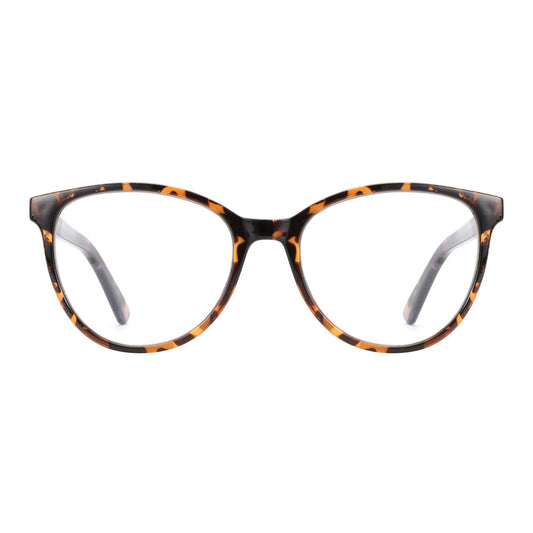
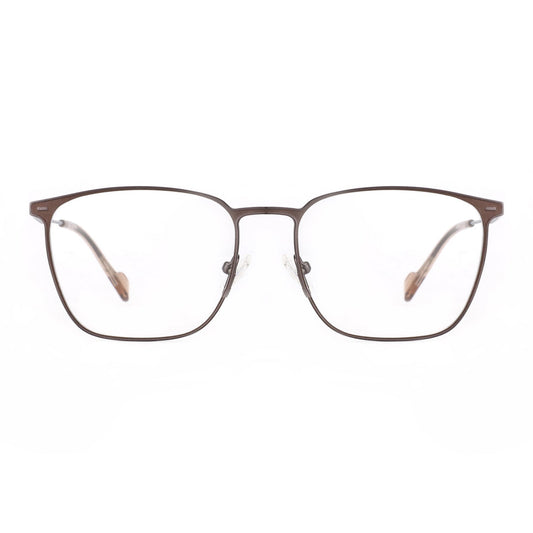
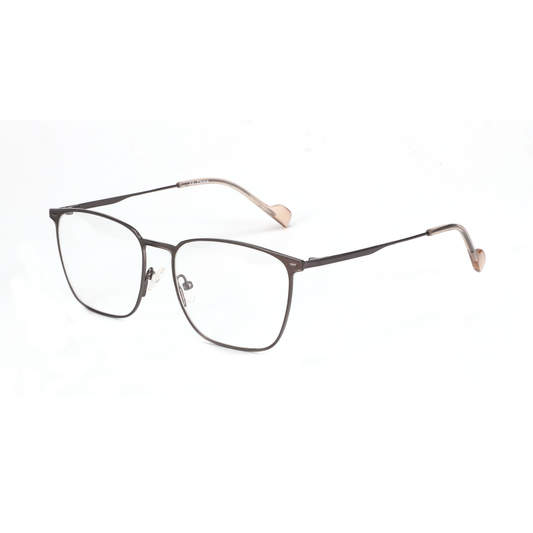
Clear UV glasses can stand in for sunglasses outdoors for one job only: filtering ultraviolet (UV) light, and only when that exact lens has documented UV performance. They can't do the other job sunglasses do, which is cutting the visible brightness that makes you squint on a sunny day.
So the real question is which job you need. If you only want UV filtering and your lens specs back it up, clear lenses can cover that need. If you also want bright light to feel dimmer, you still need tinted sunglasses.
UV protection is not brightness control
UV light and visible light are different parts of sunlight, and a lens can handle one without touching the other. A clear lens can be built to filter UV while still letting nearly all visible light through. That's why it looks clear.
Real examples of this exist. In one published clear-lens study evaluating a tailored UV absorber, the tested lens cut overall UV exposure at the eye to 7% of the naked-eye level under the study's setup. Two things limit what that result means. Some of the study's authors were affiliated with a lens company, and the number applies only to that tested design. It shows a clear lens can filter UV. It does not tell you how your own lenses perform, and it says nothing about the clear lenses we sell.
The World Health Organization's guide on spectacle quality explains the other half of the picture. According to the WHO spectacle quality guide, a UV-filter coating can block or absorb UV without filtering visible light, so it can even go on lenses that aren't meant to be sunglasses. In practice, that means a UV claim on a clear lens tells you nothing about glare or brightness, because UV filtering itself does not reduce visible brightness.
What to look for in a clear lens's UV specifications
Look for UV information tied to the exact lens you wear or plan to buy, and treat anything vaguer as unverified. A clear lens gives no visual clue about its UV performance. Two lenses can look identical while performing very differently.
Use this simple consumer check. It's a practical way to sort what you know from what you're assuming. It isn't a certification rule.
- Identify the exact lens. Note the lens material, any coatings, and the product or lens name on your order, receipt, or prescription paperwork. "Clear lenses" as a category isn't enough.
- Find UV documentation for that lens. Look for a stated UV figure or test reference that names this lens, not a general claim about a brand's lenses or a lens type.
- Ask when it's missing or vague. If the only wording is something like "UV protection" with no figure, or you can't trace the claim to your lens, ask the seller or your optician for exact-lens documentation. Until you get it, plan as if the lens has no confirmed UV filtering.

You may see labels like UV400 or "99–100% UVA/UVB." The National Eye Institute guidance on choosing sunglasses points to those labels, but that guidance is written for sunglasses. It doesn't set a pass mark for clear eyeglasses. A figure like that on your clear lens is useful documentation to have. If you're unsure whether it meets your need, ask your eye care professional. Our UV400 protection guide explains what that label means on sunglasses.
On the technical side, the international standard ISO 8980-3 transmittance framework covers specifications and test methods for finished spectacle lenses, including how they reduce solar radiation. A spec sheet that references this kind of testing is a sign of real lens documentation. The standard by itself, though, doesn't hand you a single UV rating that confirms a clear lens is enough.
When tinted sunglasses are still the better fit
Pick tinted sunglasses whenever lowering visible brightness is part of what you want outdoors. A confirmed UV claim on a clear lens covers only the UV job. Squinting, eye strain in bright sun, and the harsh glare off pavement, water, or snow all come from visible light, and a clear lens lets that light through.
The American Optometric Association treats these as two separate features. In its guidance on adequate sunglasses, AOA UV protection guidelines treat blocking 100% of UV-A and UV-B and screening 75 to 90% of visible light as different characteristics. Those percentages are recommendations for sunglasses, not legal requirements and not measurements of any clear lens. The takeaway is that a lens can meet the UV part and still miss the brightness part completely.
Here's how the choice usually breaks down:
- UV filtering only, with documented specs: Clear lenses may cover it, such as a quick walk to the car on an overcast day when brightness doesn't bother you.
- UV filtering plus less glare and brightness: Choose tinted sunglasses, such as for a long drive into the sun, a day at the beach, or a hike over snow.

If you wear prescription glasses, you don't have to give up clear vision to get tint. You can compare prescription sunglasses and clip-ons based on how often you switch between indoors and outdoors. A dedicated pair from our prescription-ready sunglasses range suits long sunny stretches. Magnetic clip-on sunglasses suit people who move in and out a lot during the day. If you'd prefer one pair that changes with the light, our guide to photochromic lenses versus sunglasses walks through that option.
FAQs
What should I do if my clear lens only says "UV protection"?
Treat that UV performance as unverified for now. Ask the seller or your optician for documentation tied to your exact lens, ideally a stated UV figure or test reference. A generic phrase doesn't tell you how much UV that lens actually filters.
Will a UV coating make clear lenses feel less bright outside?
No. A UV-filter coating works on ultraviolet light, which you can't see. Visible brightness passes through about the same as before, so bright sun will feel just as intense.
When does it make sense to wear clear UV glasses outdoors instead of sunglasses?
It makes sense when UV filtering is your only goal, your exact lens has documented UV performance, and brightness doesn't bother you. Short trips outside or cloudy days are reasonable examples. Once glare or squinting starts to matter, switch to a tint.
Can I tell if a clear lens blocks UV just by looking at it?
No. UV light is invisible, so a lens that filters it can look exactly like one that doesn't. Only documentation for that specific lens tells you what it does.
