



Gaming Glasses vs. Anti-Reflective Coatings: What Actually Works?
If you spend long hours in front of screens for gaming, coding, or office work, digital eye strain can leave you with headaches, fatigue, and discomfort. Yet the evidence shows that gaming glasses with blue light filtering have not been proven to reliably reduce these symptoms, while anti-reflective coatings can help minimize glare and reflections that make screens harder to look at. The most effective approach usually combines better screen habits, ergonomics, and targeted lens features rather than relying on any single coating or tint.

What Digital Eye Strain Actually Is
Digital eye strain, sometimes called computer vision syndrome, is a recognized cluster of symptoms that includes headaches, eye strain, blurred vision, burning or dryness, redness, and even neck or shoulder discomfort. These issues arise from prolonged screen use but are not primarily caused by blue light itself. Instead, common drivers include reduced blinking that leads to dry eyes, poor viewing distance or posture, glare from screens and room lighting, uncorrected refractive errors, and simply too many uninterrupted hours without breaks.
This updated review on digital eye strain confirms the symptom profile while highlighting that the causes are multifaceted. Similarly, university guidance from Ohio State notes that blue light is often blamed but is not the main source of typical screen-related fatigue.
The Evidence on Blue Light Filtering Glasses
Gaming glasses and computer glasses marketed for blue light blocking promise to cut harmful wavelengths and ease strain. However, several studies and eye-health organizations report that blue-light-blocking glasses have not been shown to reliably reduce digital eye strain symptoms. The American Academy of Ophthalmology states clearly that there is insufficient evidence to support their use for this purpose in most users.

Some research treats blue-light filtering as a possible option, but the overall evidence base remains mixed and inconclusive for meaningful symptom relief. This does not mean every wearer feels no difference—subjective preference varies—but the data does not support strong claims about preventing headaches, fatigue, or eye strain. As a result, these glasses should be viewed as an optional comfort feature rather than a proven medical solution.
How Anti-Reflective Coatings Compare
Anti-reflective (AR) coatings work differently by reducing light reflections off the surfaces of the lenses themselves. This can make screens and overhead lights feel less distracting and improve overall visual comfort, especially in bright environments or with glossy displays. An optometrist perspective from UAB highlights that AR coatings help with glare, which can contribute to discomfort during screen-heavy days.
Importantly, AR coating and blue-light filtering are distinct features. One targets surface reflections; the other attempts to alter the light spectrum reaching your eyes. A practical strategy often involves combining glare reduction with good screen hygiene and proper vision correction rather than expecting one lens treatment to solve everything, according to guidance from sources like CU Anschutz.
When to Prioritize Anti-Reflective Coating vs Blue Light Filtering
Relative priority for screen-related discomfort
View chart data
| Category | Anti-reflective coating | Blue light filtering |
|---|---|---|
| Glare / reflections | 5 | 1 |
| Headaches / fatigue | 1 | 1 |
| Dry eyes / screen dryness | 1 | 1 |
| Ergonomics / break-related strain | 1 | 1 |
| Uncorrected vision | 1 | 1 |
Illustrative/heuristic comparison based on cited evidence: anti-reflective coatings are mainly used to reduce glare and reflections; blue light filtering is not reliably proven to reduce eye strain; common digital eye strain drivers are ergonomics, breaks, dryness, and uncorrected vision. Values are relative priority scores, not measured effect sizes or official statistics.
This illustrative chart shows relative priority across common discomfort scenarios. Anti-reflective coatings score highest where glare and reflections are the issue, while blue light filtering remains low across categories due to limited evidence for symptom relief. The scores are heuristic and for decision guidance only.
Common Myths vs Reality
Many online discussions and marketing messages overstate the role of blue light. Here is a clearer picture based on the available evidence:
- Myth: Blue light glasses or gaming glasses are a proven fix for eye strain, headaches, and fatigue. Reality: They have not been shown to reliably reduce these symptoms for most users. Start instead with breaks, screen distance, brightness adjustments, and room lighting.
- Myth: Blue light from screens is the primary cause of eye fatigue and sleep disruption. Reality: Experts identify prolonged staring, reduced blinking, glare, and poor ergonomics as bigger contributors.
- Myth: If your eyes hurt after gaming or coding, special tinted glasses are essential. Reality: Lens features may offer subjective comfort for some, but they are secondary to fixing underlying setup issues.
These myths persist despite guidance from institutions like the AAO emphasizing that eyewear claims should not be overstated.
When One Feature Might Help More Than the Other
The best choice depends on your specific complaint and environment:
- Prioritize anti-reflective coatings when visible glare or reflections from your monitor or overhead lights are noticeable. This feature directly addresses lens surface reflections that can increase visual discomfort.
- Consider blue light filtering mainly as a personal preference, such as for late-night sessions where you want a warmer lens tint. Treat it as optional rather than a guaranteed strain reliever.
In scenarios involving heavy dry eye, frequent headaches unrelated to glare, or very poor ergonomics, neither feature is likely to deliver major improvement on its own. University eye clinics consistently recommend addressing glare, distance, lighting, and habits before depending on trendy eyewear.
Practical Checklist: What to Do Before Buying Glasses
Before investing in performance eyewear, run through these steps to determine what will actually help:
- Confirm your prescription is current and addresses any refractive issues—uncorrected vision problems often drive strain more than screen light.
- Optimize your setup: Position screens an arm's length away, slightly below eye level, and reduce brightness to match room lighting.
- Adopt the 20-20-20 rule or similar breaks—look away every 20 minutes at something 20 feet away for 20 seconds—to combat reduced blinking and dryness.
- Address dry eyes directly with humidifiers, artificial tears, or conscious blinking habits if dryness is your dominant symptom.
- Check for glare: If reflections are bothersome, test AR-coated lenses first as they target this issue more directly.
- Only then evaluate tinted or filtered glasses for subjective comfort during your typical tasks.
This layered approach aligns with comprehensive reviews that place ergonomics and habits ahead of lens add-ons.
Who Might Benefit Most from Performance Eyewear
Gamers in late-night sessions with bright monitors, coders facing dual screens for 8+ hours, remote workers juggling video calls and spreadsheets, and students with heavy laptop use can all experience strain. If glare is part of your problem and basic habits are already in place, lenses with strong anti-reflective properties often provide more tangible comfort than blue light filtering alone.
For those with existing vision correction needs, combining prescription lenses with AR coating and optional blue light filtering can create a practical all-day solution. However, if symptoms persist despite these steps, consult an eye care professional rather than self-treating with consumer glasses.
Important note on eye comfort and health: This article discusses setup advice and lens features for digital wellness only. It does not constitute medical advice, diagnosis, or treatment. Blue light filtering and anti-reflective coatings are not proven to prevent eye disease or eliminate strain. If you experience persistent discomfort, headaches, vision changes, or have existing eye conditions, please consult a qualified eye doctor.
Choosing the Right Digital Wellness Eyewear
When shopping, look for quality lenses that clearly state their AR performance and any filtering levels without exaggerated health claims. Frames should fit well for all-day wear, especially during gaming or focused work. Consider options that combine both features thoughtfully while remembering that real relief often comes from how you use your screens, not just what you wear in front of them.
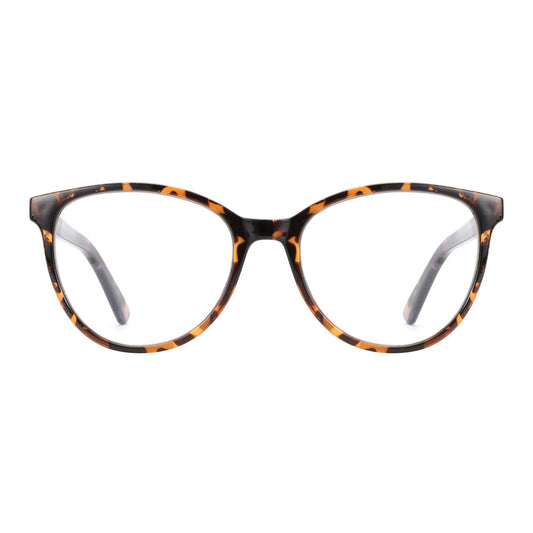
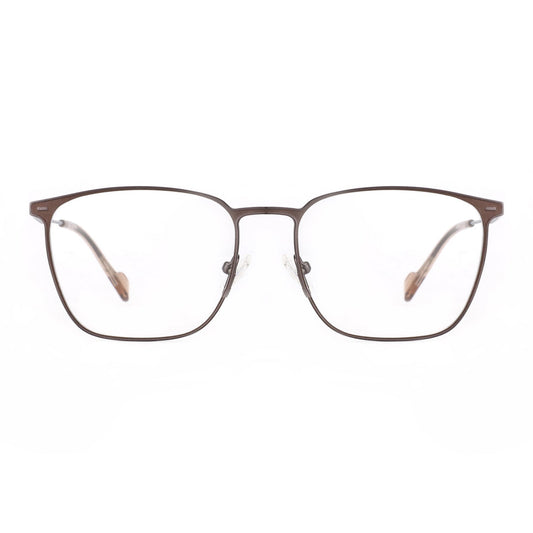
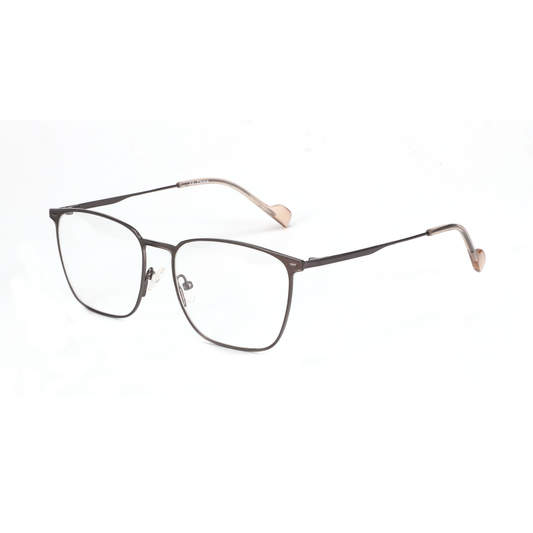
For more on selecting comfortable options, see our guide on how to choose the best blue light blocking glasses. Those seeking stylish frames with practical coatings may explore the blue light blocking collection or specific models like the Zenottic Hannah that pair high-index lenses with anti-reflective and filtering options.
Ultimately, gaming glasses and anti-reflective coatings serve different purposes. AR coatings offer more evidence-backed help with glare-related discomfort, while blue light filtering remains a preference-driven choice with limited proven impact on eye strain. Focus first on your workspace habits and only add lens features where they directly address your observed problems. This measured approach helps you invest wisely in tools that genuinely support long hours in front of screens.
