




Wearing Glasses With Hearing Aids: How to Reduce Pressure and Interference
If you wear glasses with hearing aids, seat the hearing aids normally first, then handle each glasses temple one side at a time. Guide the temples around your ears instead of dragging them across the device area, and check the glasses and hearing aids separately once the frame is in place. This routine may reduce avoidable pressure and movement, but comfort still depends on the devices, frame, and shape of your ears.

How to Put on and Remove Glasses With Behind-the-Ear Hearing Aids
The least disruptive approach is to keep the hearing aids in their usual positions and control one temple at a time. Use a mirror while you learn the movement, or ask a caregiver to watch one side so you can see which device shifts.
- Seat the hearing aids first. Put each behind-the-ear hearing aid in its normal position before handling the glasses. Do not put the frame on first and then try to fit the devices around it.
- Place the first temple. Hold the glasses by the bridge or front, and guide one temple around the corresponding ear. Move it through the available space rather than sweeping it across the hearing-aid housing, tubing, receiver, or retention area.
- Place the second temple. Repeat the same controlled movement on the other side. Avoid pushing both temples into place at once; doing so makes it harder to tell which side is causing contact or movement.
- Check the frame separately. Look for a crooked front, slipping, temple pressure, or rubbing around either ear. Make a small glasses adjustment if needed, without nudging the hearing aids at the same time.
- Check the hearing aids separately. Confirm that each device still feels or appears to be in its usual position. Notice any movement, pressure, sound change, or feedback after the glasses settle. This is a comfort routine to test, not a guarantee that every hearing-aid design will respond the same way.
- Reposition in the right order. If the frame is pressing or sitting unevenly, move the glasses first. Then check whether either hearing aid shifted. Do not repeatedly move both devices together while trying to find a comfortable position.
- Remove the glasses in reverse. Clear one temple from around the ear, then the other, before moving the front of the glasses away from your face. After removing them, check whether either hearing aid moved.
If the motion is difficult to control, practice with a mirror and note which side shifts. That information is more useful than making repeated adjustments without knowing whether the frame or hearing aid moved first.

Where Glasses and Hearing Aids Create Pressure or Interference
Glasses and behind-the-ear hearing aids can occupy the same space above, behind, and around the ear. Inspect each side separately, including the glasses temple, hearing-aid housing, tubing or receiver area, and any retention point. The first goal is to identify the exact contact point—not to decide immediately which device is at fault.
Note the symptom and when it begins. Pressure may feel localized where a temple rests, while rubbing may follow a particular frame position or movement. Slippage can involve the glasses, the hearing aid, or both. A sound change or feedback after the frame moves is a reason to record the timing and side rather than immediately changing a device setting. The pattern is a troubleshooting clue, not a diagnosis.
A useful one-time comparison is to observe the same side and symptom in three conditions: hearing aids alone, glasses alone, and both together. Also note whether the problem begins during placement or removal. If it appears only when both devices are worn, inspect contact, clearance, and handling first. If it remains with the hearing aids alone, do not automatically treat it as a frame problem. If it appears with glasses alone, an eyewear fitting check may be the next practical step.
Before changing the frame or hearing aid, write down the side, contact point, symptom, and when it begins. If the problem continues, bring those notes, the glasses, and the hearing aids to the relevant professional. This record can make a fitting review more focused than a general report that the devices feel uncomfortable.
Frame Features to Compare During a Hearing-Aid Fitting
The complete glasses-and-hearing-aids setup is the relevant fitting condition. Try replacement frames with your actual hearing aids in place, because a frame that feels fine by itself may create pressure or contact when both devices occupy the area around the ear. The criteria below are screening points to compare, not proof that a frame is compatible.
| Feature to compare | What to check with the hearing aids in place | How the result should affect the next choice |
|---|---|---|
| Temple profile | See whether the temple presses against, catches, or shifts a housing, tube, receiver, or retention area. | If contact is immediate, compare a different profile or size instead of assuming the frame will settle. |
| Flexibility | Gently assess whether the temple remains stable without pushing into the device area during normal movement. | If it moves into the hearing-aid space, try another frame for comparison. Do not treat flexibility alone as a guarantee. |
| Hinge transition | Watch the area where the temple leaves the front of the frame and passes toward the ear. | If the transition creates a pressure point, compare a different hinge position or temple shape during fitting. |
| Smooth edges | Perform a careful visual and touch check for an edge that catches near the ear or device. | If an edge catches or rubs, set that frame aside and test a smoother alternative. |
| Stability | Look straight ahead, turn your head, speak, and remove the glasses once while monitoring both devices. | If the frame slips or shifts the hearing aid, compare fit and adjustment before relying on it for daily wear. |
| Clearance | Check the space between the temple and hearing-aid components on each side, not just the frame's appearance from the front. | If clearance disappears during movement, choose another option to test rather than relying on the frame label. |
A practical frame-testing guide recommends trying replacement frames with your hearing aids in place and checking the complete setup for pinching, pressure, movement, and comfort before relying on it for daily wear. A thin or lower-profile temple may be worth testing if it leaves more room around the hearing aid, but it does not prove that a particular thickness, material, rimless style, hinge design, or frame category will work for every wearer.
A bounded frame-fitting guide lists temple slimness, edge smoothness, hinge position, flexibility, stability, and clearance as fit-test criteria, not compatibility guarantees. Test the complete setup while looking straight ahead, turning your head, speaking, and removing the glasses.
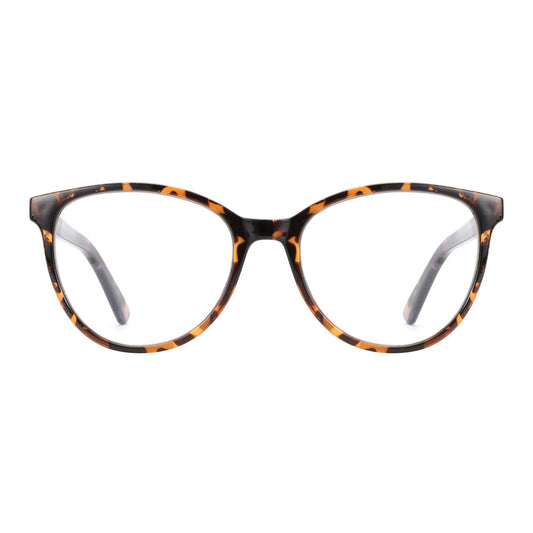
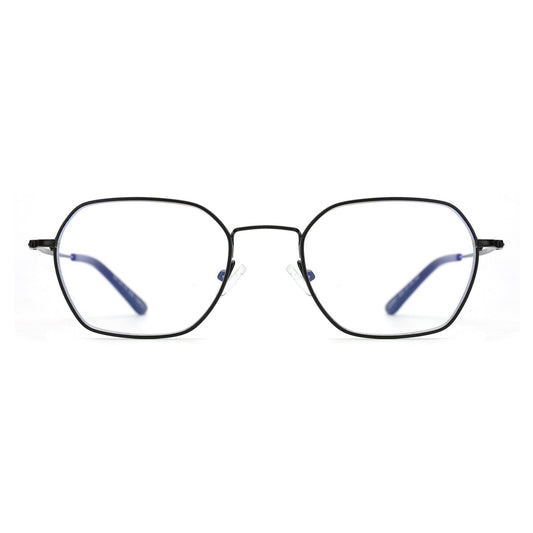
For online shopping, use the listed lens, bridge, and temple measurements to narrow your options, not to confirm hearing-aid fit. When possible, test the frame with your devices and review the return terms before depending on it for daily use. You can browse Zenottic eyeglasses as a starting point for frame options, but the collection does not establish compatibility, reduced pressure, or reduced interference for any wearer.
How to Tell Which Fit Needs Attention
Use one controlled comparison to choose the next check: hearing aids alone, glasses alone, both devices together, and the moment of placement or removal. This approach helps screen for a handling issue, an eyewear fit concern, or a hearing-aid fit concern, but it does not diagnose the cause.
| When the symptom appears | What it may point to | Next action |
|---|---|---|
| Hearing aids alone | A hearing-aid fit concern | Ask a hearing-care professional to review the hearing-aid fit. |
| Glasses alone | An eyewear fit concern | Ask an optician or qualified eyewear professional to assess frame position, pressure points, and stability. |
| Both devices together | Contact or clearance between the devices | Inspect the temple contact, clearance, and handling order first. |
| During placement or removal | A handling interaction | Repeat the one-side-at-a-time movement and note which side shifts. |
Use this table as a practical troubleshooting aid, not a clinical diagnostic test. If the symptom occurs only with both devices, inspect the temple contact, clearance, and wearing order first. If it occurs with glasses alone, ask an optician or qualified eyewear professional to assess the frame's position, pressure points, and stability. If it remains with the hearing aids alone, ask a hearing-care professional to review the hearing-aid fit rather than assuming the glasses caused it. Do not make programming changes based only on this comparison.
If pressure, skin irritation, pain, persistent feedback, or hearing-aid displacement continues after one careful frame and wearing-order check, stop repeatedly adjusting the device. Ask a professional to assess the complete setup; hearing-aid fit and interaction guidance supports professional review when pain, discomfort, or persistent feedback continues. Bring the glasses, hearing aids, and symptom notes so the interaction can be assessed together.
Frequently Asked Questions About Glasses With Hearing Aids
Comfort depends on the actual glasses, hearing aids, and space around each ear. These answers focus on the next practical action rather than promising that one frame style will work for everyone.
How Should You Wear Glasses With Behind-the-Ear Hearing Aids?
Seat the hearing aids normally, guide one temple around one ear at a time, and check both devices after the glasses are in place. Remove the glasses by clearing each temple first, then check for movement.
How Can You Reduce Pressure From Glasses and Hearing Aids?
Find the exact contact point and test an eyewear adjustment or another frame while wearing the actual hearing aids. If pain, rubbing, or irritation continues, request professional fitting help instead of repeatedly adjusting the devices.
Can Different Eyeglass Frames Reduce Hearing-Aid Interference?
A different temple profile, thickness, hinge transition, smooth edge, or clearance may reduce contact for some wearers. It is not a guarantee, so compare the complete setup during fitting and normal movement before choosing the frame.
