




How to Build a 5-Pair Eyewear Capsule Wardrobe: A 2026 Blueprint
Summary

Building a 5-pair eyewear capsule wardrobe allows you to transition seamlessly between professional, social, and athletic environments while ensuring visual health and style consistency. By curating a collection consisting of a Professional pair, a Weekend pair, a Statement pair, a Sport pair, and a dedicated Backup, you transform eyewear from a singular medical necessity into a versatile fashion accessory that extends the life of each frame and optimizes your visual performance for every specific activity.
Key takeaways
- Functional Specialization: Dedicated frames for work, leisure, and sports prevent "utility fatigue" and ensure your look is always contextually appropriate.
- Extended Longevity: Rotating five pairs can extend the average lifespan of high-quality frames to 3-5 years by significantly reducing daily wear and tear on hinges and lens coatings.
- Visual Safety: A dedicated backup pair with an identical, up-to-date prescription is a critical safety measure for maintaining productivity during unexpected loss or damage.
- Strategic Investment: Utilizing a cost-per-wear logic helps justify the initial investment in a curated collection, focusing on quality materials over frequent, low-quality replacements.
The Evolution of the Eyewear Capsule Wardrobe in 2026
For decades, the prevailing logic suggested that one pair of glasses was sufficient for all aspects of life. However, as we move through 2026, the "Wardrobe Effect" has fundamentally shifted how we perceive vision correction. Eyewear is no longer just a tool to see; it is a primary element of personal branding and functional performance. Just as you wouldn't wear running shoes to a board meeting or a tuxedo to the gym, a single pair of glasses cannot possibly meet the aesthetic and technical demands of a modern lifestyle.
The concept of an eyewear capsule wardrobe is rooted in the same principles as minimalist clothing collections: versatility, quality, and intentionality. By selecting five specific pairs, you cover every possible scenario without the clutter of an oversized collection. This approach also allows you to build a versatile glasses wardrobe on a budget by focusing your resources on high-impact pieces that offer the best return on investment.
Pair 1: The Professional (The Anchor)
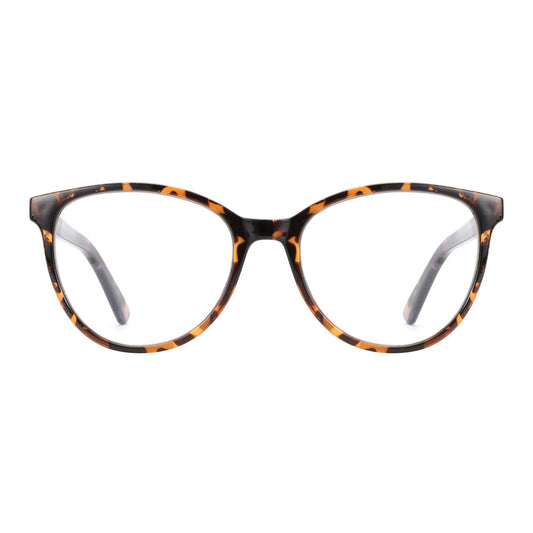
The Professional pair is the cornerstone of your collection. This frame should exude competence, reliability, and sophistication. Typically, this means choosing classic shapes like rectangular, browline, or soft ovals in neutral tones such as tortoise, navy, or matte black.
When selecting this pair, it is vital to ensure a perfect fit to avoid the distraction of slipping frames during important meetings. Understanding how glasses should fit is essential here; the bridge should rest comfortably on your nose without pinching, and the temples should not exert excessive pressure on your head. For those with higher prescriptions, this is where lens technology becomes critical.
Logic Summary: The Professional pair is designed for high-frequency use in controlled environments. We recommend neutral colors to ensure compatibility with at least 80% of a standard business wardrobe. This pair should prioritize comfort and optical clarity over bold fashion trends.

Pair 2: The Weekend (The Versatile Casual)
Your Weekend pair is about comfort and effortless style. This is the pair you reach for during brunch, errands, or casual social gatherings. While the Professional pair is structured, the Weekend pair can be more relaxed. Think lightweight acetate frames or thin metal aviators that complement a wide range of casual outfits.
To make this pair truly versatile, consider how it interacts with your natural features. Many users find success by choosing frames that coordinate with their hair color and tone, creating a harmonious look that doesn't feel "over-styled." For example, warm blondes often look exceptional in gold or honey-toned frames, while those with cooler undertones may prefer silver or gunmetal.
Pair 3: The Statement (The Style Expression)
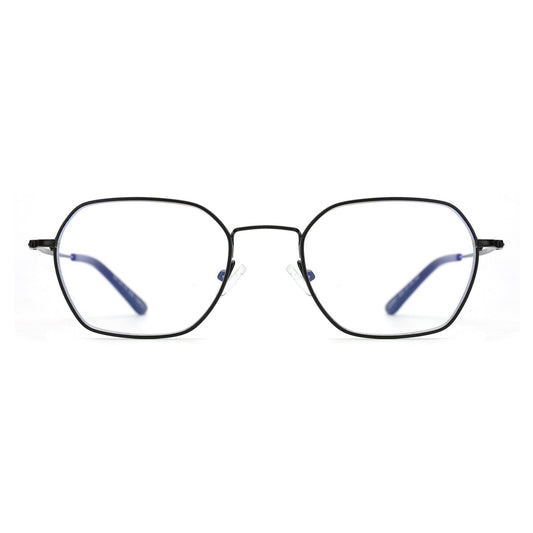
The Statement pair is where you break the rules. This is your opportunity to experiment with bold colors, oversized silhouettes, or avant-garde materials. Whether it's a vibrant red cat-eye or a thick-rimmed geometric frame, the Statement pair serves as a conversation starter and a reflection of your creative personality.
However, bold frames often come with increased weight, which can lead to discomfort if not managed correctly. For these more substantial styles, we highly recommend consulting the Technical Guide to High-Index Lens Materials and Standards. This authoritative guide explains how high-index polymers (like the MR™ series) can significantly reduce lens thickness and weight, which is particularly beneficial for keeping "statement" frames comfortable for all-day wear. By choosing a 1.67 or 1.74 index lens, you can avoid the "coke bottle" effect that often plagues bold, wide frames.
Pair 4: The Sport (The Performance Specialist)
Functional boundaries are most apparent when it comes to physical activity. Standard everyday frames are rarely designed to handle the sweat, impact, and rapid movement associated with sports. A dedicated Sport pair should feature wrap-around designs for better peripheral vision, impact-resistant lenses (like polycarbonate or Trivex), and non-slip rubber grips on the nose and temples.
Furthermore, outdoor activities necessitate proper UV protection. It is a common misconception that clear lenses are enough; in reality, wearing prescription sunglasses is important for preventing long-term ocular damage from UV radiation and reducing glare that can lead to accidents during high-speed activities like cycling or driving.
Pair 5: The Backup (The Safety Net)
The final piece of the capsule is the Backup. This is not just an old pair of glasses with an expired prescription. A true backup should be a reliable, durable frame fitted with your current prescription. In the event of a broken hinge or a lost pair, the Backup ensures you don't miss a beat at work or behind the wheel.
To ensure your backup is ready when you need it, you must first know how to read your eye prescription accurately. This ensures that when you order your secondary pairs, the OD, OS, and PD (Pupillary Distance) measurements are identical to your primary pair, preventing the headaches and eye strain that occur when switching between slightly different prescriptions.
Comparing the 5-Pair Capsule Components
| Pair Type | Primary Function | Recommended Frame Style | Key Lens Feature |
|---|---|---|---|
| Professional | Workplace/Formal | Rectangular, Browline | Blue Light Filter |
| Weekend | Casual/Social | Round, Aviator | Photochromic (Transitions) |
| Statement | Fashion/Events | Geometric, Bold Colors | High-Index (Thin) |
| Sport | Athletics/Outdoor | Wrap-around, Rubberized | Polarized / Impact-Resistant |
| Backup | Emergency/Utility | Simple, Durable Acetate | Standard Clear |
The Cost-Per-Wear Strategy for Eyewear
One of the most significant barriers to building a capsule wardrobe is the perceived cost. However, when viewed through a "cost-per-wear" (CPW) lens, a 5-pair collection is often more economical than buying a single expensive pair every year.
CPW Formula: (Initial Cost + Maintenance) / Number of Days Worn
By rotating five pairs, you reduce the mechanical stress on each frame. A single pair worn 365 days a year often sees significant degradation in its coatings and hinge tension within 12-18 months. In contrast, a pair in a 5-frame rotation may only be worn 70-100 days a year, allowing the materials to "rest" and extending their functional life to 3-5 years. This longevity effectively lowers the annual cost of your vision correction while providing superior style and performance.
Maintenance and Organization: The Capsule System
Managing multiple pairs requires a systematic approach to ensure they remain in peak condition. Without a plan, lenses get scratched and frames get misaligned.
Weekly Maintenance Checklist
- Deep Clean: Use a dedicated lens spray and a clean microfiber cloth on all five pairs.
- Screw Check: Use an optical screwdriver to gently tighten any loose temple screws.
- Alignment Test: Place frames on a flat surface to ensure they sit level; if one side is raised, they require professional adjustment.
- Storage Audit: Ensure each pair is returned to its dedicated hard case when not in use.
- Prescription Review: Check the "born on" date of your current prescription; if it's over 12 months old, schedule a check-up.
Logic Summary: This maintenance routine assumes standard daily use. For sport frames used in salt water or high-dust environments, the "Deep Clean" should be performed immediately after each use to prevent corrosion of metal components.
Integrating Eyewear with Your Wardrobe Planning
To maximize the "Wardrobe Effect," your eyewear should be integrated into your overall fashion planning. We recommend a "Color Anchor" system:
- Identify your base neutrals: If your wardrobe is primarily black/grey, your Professional pair should be black or silver.
- Select a "Pop" color: Your Statement pair should contrast with your most frequent outfit colors (e.g., red frames for a navy-heavy wardrobe).
- Match the Metals: If you wear a gold watch or jewelry daily, ensure your metal frames or hinge details are also gold-toned to maintain a cohesive look.
By following this blueprint, you ensure that your eyewear never feels like an afterthought, but rather a deliberate and functional component of your personal style.
FAQ
How many pairs of glasses should I actually own? While the minimum recommendation is often two (a primary and a backup), a 5-pair capsule is the ideal balance for a modern lifestyle. This number allows for functional specialization (sport and professional) while providing enough variety for personal style expression. Owning five pairs ensures that no single frame is over-taxed, extending the life of your entire collection.
Is it expensive to build a 5-pair collection all at once? It doesn't have to be. Many people build their capsule over 12-18 months, adding one specialized pair at a time. By choosing affordable online retailers, you can often acquire a full 5-pair collection for the same price as a single designer pair from a traditional boutique. Focus on quality materials like acetate and stainless steel to ensure long-term durability.
Can I use my old glasses as my backup pair? Only if the prescription is still accurate. Using an old prescription can cause significant eye strain, headaches, and even safety issues if your vision isn't corrected to the necessary standard for driving. It is always better to order a dedicated, low-cost backup pair using your most recent eye exam results to ensure visual comfort.
How do I choose the right frame for my face shape? The general rule is to choose a frame shape that contrasts with your face shape. For example, round faces benefit from angular, rectangular frames, while square faces are softened by round or oval styles. For a more detailed analysis, you should consult a comprehensive face shape guide for 2026 to find the specific dimensions that will flatter your features.
Do I need different lens coatings for each pair? Yes, lens coatings should be matched to the pair's function. Your Professional pair benefits from blue light filtering for screen work, while your Sport pair requires high-quality polarization and anti-reflective coatings. Your Statement pair should prioritize anti-scratch and high-index materials to maintain its aesthetic appeal and comfort.
How often should I update the lenses in my capsule? Most optometrists recommend an eye exam every 1-2 years. If your prescription changes, you should update the lenses in your most-worn pairs (Professional and Weekend) immediately. The Sport and Statement pairs can follow, but never let your Backup pair fall more than one prescription cycle behind, as its primary purpose is reliable emergency vision.
References
Government / Standards / Regulators
- ANSI Z80.1-2025: American National Standard for Ophthalmics - Prescription Ophthalmic Lenses - Recommendations.
- ISO 8980-1: Ophthalmic optics — Uncut finished spectacle lenses — Part 1: Specifications for single-vision and multifocal lenses.
Platform official docs & policies
- Zenottic Quality Standards: Internal protocols for frame durability and lens coating adhesion testing (internal://support/quality-standards).
Industry associations / research institutes / market reports
- The Vision Council: Annual Eyewear Consumption and Trend Report (2025-2026).
- WGSN: Global Eyewear Style and Material Forecast for 2026.
Academic / whitepapers / labs
- Technical Guide to High-Index Lens Materials and Standards: A deep dive into the material science of thiourethane resins and optical performance (Zenottic Whitepaper).
Community
- r/glasses: User-driven discussions on frame longevity and multi-pair rotation strategies (Intent only; not authoritative).
