


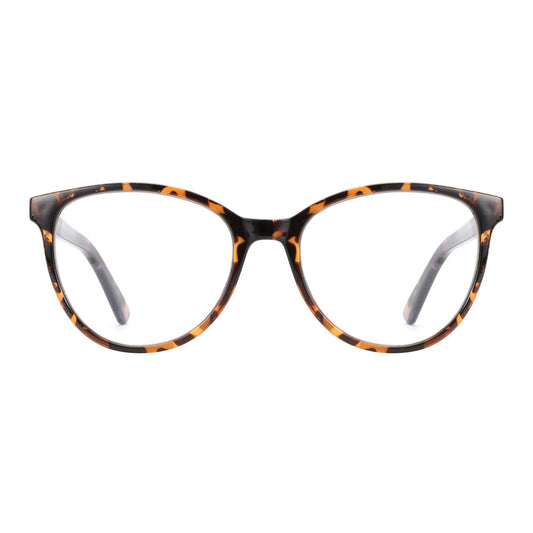

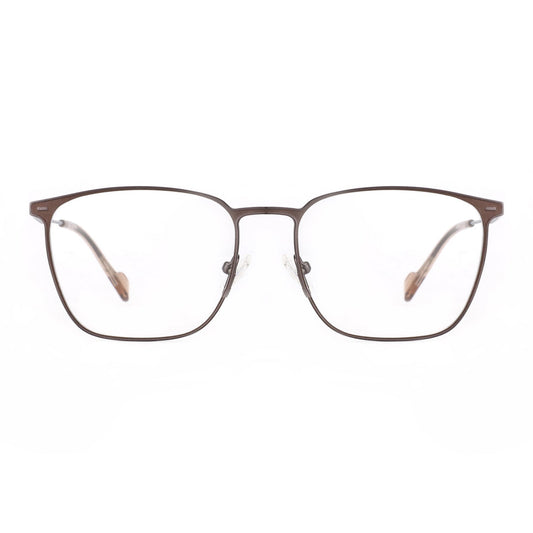
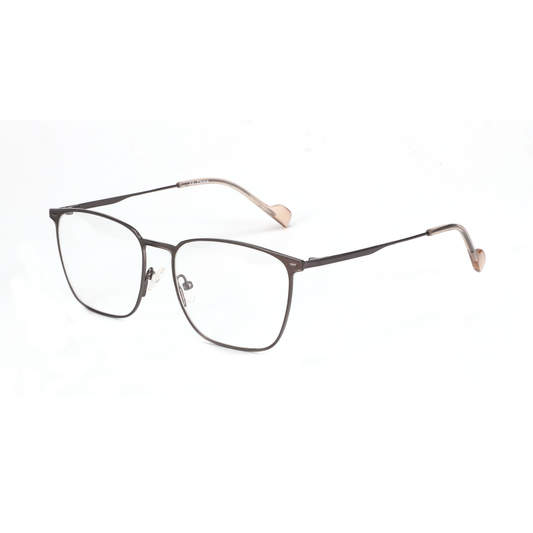
7 Signs a Child’s Glasses Do Not Fit Correctly
Recurring slipping, pinching, crookedness, off-center nose contact, or pain behind the ears are practical warning signs that a child's glasses may not fit correctly. A good kids glasses fit check looks at the frame during normal wear from the front, side, and contact points. Start with an optician adjustment rather than bending the frame at home. Consider another size or shape only if the frame remains visibly mismatched or uncomfortable after professional review.

1. the glasses slide down or shift during normal activity
Repeated slipping during everyday wear is the first sign to investigate. If a child keeps pushing the glasses up, or the frame sits low, moves off-center, or shifts while walking, reading, or playing normally, the fit needs review. This movement does not prove that there is a prescription or lens problem.
Watch the child put the glasses on without help, then observe the frame from the front and side during a normal routine. Occasional movement during unusually rough contact is different from recurring slipping during everyday activities. Note whether the lenses remain centered over the eyes and whether the child keeps repositioning the frame.

Children's glasses should fit comfortably and be adjusted as needed. Recurring slipping or pressure calls for an optician adjustment, not parent-led bending or reshaping. If the frame still shifts after review, ask whether another size or shape would be more appropriate. For a broader visual reference, see this glasses fit guide.
2. the frame is noticeably wider than the child's face
A frame that looks clearly wider than the child's face or sits away from the sides can be a sign that the child's glasses are too big. Look for extra space at the temples, temples that flare outward, or lenses that appear unusually far from the face when viewed from the front and side.
This appearance does not identify the cause on its own. A loose temple, low bridge, or other adjustment issue can make a generally proportionate frame look too large. Do not use age, face shape, or an assumed millimeter cutoff to decide whether the frame is wrong.
Ask an optician to assess the frame while it is positioned normally. If it remains visibly wide, unstable, or off-center after adjustment, a smaller size or different shape may be worth discussing. That is the practical way to investigate whether the child's glasses are too big without treating one visual clue as proof.
3. the frame pinches the temples or leaves pressure marks
Pinching at the sides of the head, recurring marks near the temples, or resistance to wearing the glasses can signal excessive pressure. These are clear signs that a child's glasses may be the wrong size, but they still do not prove that the frame is too small. Bridge fit, temple tension, and alignment can also contribute.
Ask the child to point to the exact place that feels uncomfortable. After ordinary wear, inspect both sides for recurring marks or pressure. A brief contact mark alone does not establish a diagnosis or show which frame dimension needs correction. The important question is whether the pressure returns during normal use and whether the child reports ongoing pinching or discomfort.
Recurring marks can indicate that the glasses are pressing too tightly, and an optician should handle pressure issues rather than a parent trying to fix them at home. The children's eyewear adjustment guidance supports professional review for slipping and pressure concerns. Do not force continued wear of a frame that remains persistently uncomfortable while waiting to see whether the problem resolves.
4. the frame sits crooked or one lens is higher
A recurring tilt is a separate alignment warning sign. One lens may sit higher, one temple may appear uneven, or the frame may rotate to one side when the child puts it on normally.
Have the child put on the glasses without help, then look straight at the frame. Repeat the observation at another ordinary point in the day. If the same side remains higher, note whether the tilt occurs with slipping, pressure, or an off-center bridge. Those details give the optician a more useful starting point than a single photograph or one careless placement.
Arrange a professional alignment and fit check. Do not assume that a parent can safely straighten or reshape the frame at home. Replacement becomes a consideration only if the frame cannot be made stable and level, or its dimensions continue to look unsuitable after review.
5. How kids glasses should fit at the bridge
The bridge is a fit concern when it repeatedly slides, sits off-center, or creates recurring pressure instead of keeping the glasses centered during normal movement. This can be part of a broader kids' glasses fit check, not a reason to choose a particular frame style automatically.
Observe the glasses while the child reads, walks, and looks down. Check whether the lenses stay centered and whether the child repeatedly lifts or repositions the frame. Also ask where pressure occurs at the nose. Bridge design, nose contact, frame width, and adjustment can all affect stability, so this sign alone does not identify the right replacement frame.
Ask an optician to assess the bridge and nose contact. If the glasses remain off-center or uncomfortable after adjustment, discuss whether another size or shape would provide a better fit. Focus on the worn frame rather than on a universal nose or age rule.
6. the temples or earpieces hurt
Soreness, rubbing, pinching, or persistent pressure behind the ears or along the sides of the head is the sixth warning sign. A child may have unstable glasses and painful ear contact at the same time, so comfort and stability need separate checks.
Ask the child to identify the exact painful or rubbing point. Observe comfort during school, reading, and ordinary activities, then inspect the contact area after wear. A frame that slips is not automatically comfortable, and a frame that stays in place is not automatically acceptable if the temples or earpieces continue to hurt.
Ask an optician to assess temple angle, length, and tension. Pressure marks behind the ears can indicate that the glasses are pressing too tightly, but they do not diagnose an injury or condition. Do not promise that a particular hinge or frame feature will solve the problem. Consider another frame only if professional adjustment cannot make the contact comfortable.
7. the glasses become unstable during normal play or daily movement
Recurring twisting, lifting, or loss of position during the child's usual activities is the seventh sign of an unstable fit. This final check brings the earlier observations together: the frame should remain reasonably positioned during normal movement, not only while the child sits still.
Separate ordinary activity from unusually rough contact. Watch the frame during the child's typical routine and note whether it twists, lifts, slides, or becomes off-center. If the instability keeps returning, use this decision path:
- Observe the pattern during normal wear. Check the front, side, bridge, temples, and earpieces, and note whether the child reports discomfort.
- Request an optician adjustment. A generally proportionate frame may need professional work for looseness, alignment, bridge contact, or temple pressure. Professional guidance supports adjustment instead of home reshaping when slipping or pressure recurs.
- Discuss another size or exchange only after review. If the frame remains visibly wide, tight, unstable, or uncomfortable after professional assessment, ask whether its size or shape is mismatched. If you bought the glasses recently, follow the seller's current return or exchange instructions rather than assuming a policy.
This is the practical boundary between a correctable adjustment issue and a frame that may not suit the child. No supported universal age or measurement cutoff replaces observing the glasses in use and obtaining a professional fit review.
Frequently asked questions
These quick answers address the decisions parents usually face after observing a fit problem.
How can I tell if my child's glasses are too big or just need an adjustment?
Ask an optician to compare the frame's front and side position after it has been placed correctly. A loose, crooked, or unstable frame may improve with adjustment; if it remains visibly too wide, off-center, or uncomfortable afterward, discuss another size or shape.
How do I know if my child's glasses are too small?
Sustained pinching, recurring pressure, or discomfort during ordinary wear calls for a professional fit review. A brief mark alone does not establish that the frame is too small. Have the optician assess the frame's width, temple contact, bridge, and alignment before choosing a replacement.
What should I do if my child's glasses keep slipping down?
Observe the slipping while the child walks, reads, and plays normally, then arrange an optician adjustment. If the glasses still slide or stay off-center after review, ask whether another size or shape is appropriate and use the seller's current exchange instructions if a purchase change is needed.
