


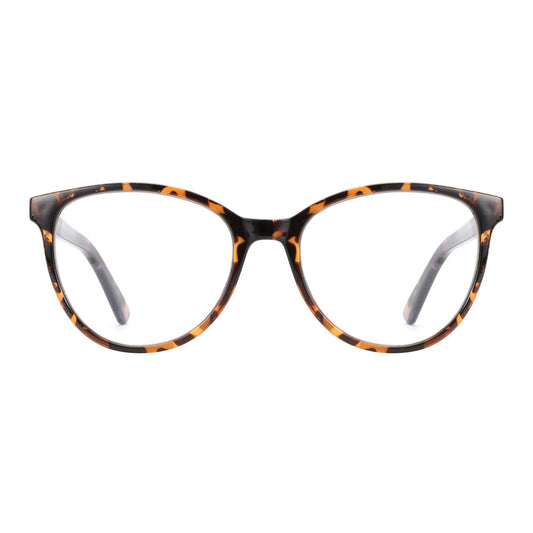

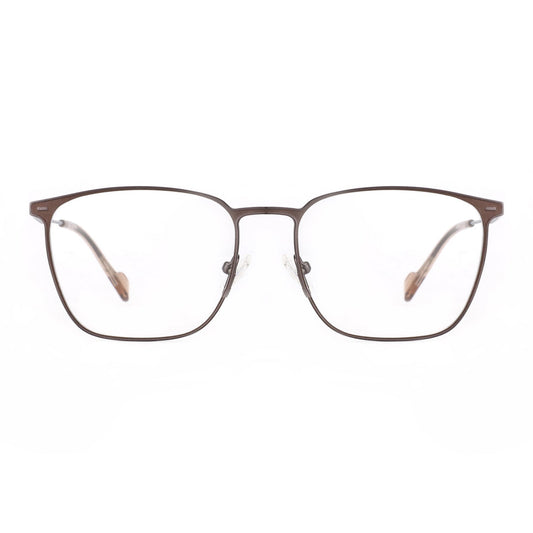
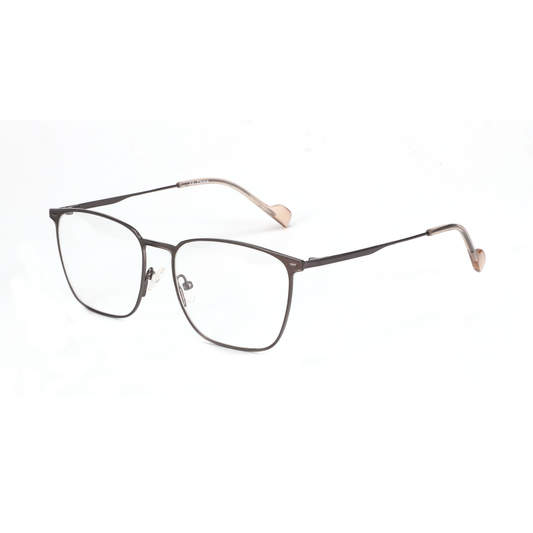
Transparent Frames Guide: How to Style the Clear Trend
Summary
Transparent and translucent frames have solidified their position as the ultimate "quiet luxury" accessory in 2026, offering a sophisticated, minimalist aesthetic that enhances facial features without the visual weight of traditional eyewear. This comprehensive guide provides actionable insights into selecting the ideal tint for your unique skin tone, mastering maintenance to prevent yellowing, and styling these versatile pieces for any professional or social setting.
Key takeaways
- Versatility over Visibility: Transparent frames act as a neutral foundation, making them suitable for any outfit or occasion while highlighting the wearer's natural facial structure.
- Tint Selection is Critical: Choosing between crystal clear, champagne, smoke, or rose tints depends heavily on skin undertones to avoid a "washed out" appearance.
- Proactive Maintenance: Long-term clarity relies on protecting acetate from UV degradation and acidic skin oils, which are the primary drivers of material yellowing.
- Optical Integration: For clear frames, lens edge visibility is a key aesthetic factor; utilizing high-index materials can significantly improve the final look for high-prescription users.
- Age-Inclusive Styling: Translucent frames are not just for the youth; they offer a modern, "lifting" effect for mature faces when chosen in the correct silhouette.
The Evolution of the Clear Frame Glasses Trend in 2026
The eyewear landscape in 2026 has moved beyond the initial novelty of "invisible" glasses, maturing into a nuanced appreciation for transparency and light. What began as a bold fashion statement has transitioned into a staple of modern minimalism. Today, the clear frame trend is less about making the glasses disappear and more about how the material interacts with light and the wearer's complexion. We see a shift toward "intelligent transparency"—frames that incorporate subtle gradients or architectural details that are only visible upon closer inspection.
This evolution is driven by a desire for accessories that offer longevity and adaptability. In an era where "capsule wardrobes" and sustainable fashion are paramount, transparent frames provide a solution that never clashes with a changing wardrobe. Whether you are wearing a bold, colorful ensemble or a monochromatic professional suit, clear frames maintain a sense of balance. This adaptability is why they remain a top choice for those looking to invest in a single, high-quality pair of acetate frame options that can transition seamlessly from a morning board meeting to an evening gallery opening.
Logic Summary: This trend analysis assumes a continued consumer preference for minimalist, high-quality accessories. The "quiet luxury" movement heavily influences these observations, prioritizing material quality and subtle design over overt branding.
Transparent vs Translucent Glasses Frames: Understanding the Difference
While the terms are often used interchangeably, understanding the technical distinction between transparent and translucent materials is essential for achieving your desired look. Transparent frames are truly "crystal" clear, allowing light to pass through without significant diffusion. These are ideal for a high-contrast look where the focus remains entirely on your eyes and eyebrows. They offer the most "invisible" effect, which is particularly effective for those with delicate facial features that might be overwhelmed by heavier frames.
Translucent frames, on the other hand, allow light to pass through but diffuse it, creating a soft-focus or "frosted" appearance. These frames often come in various tints like champagne, honey, or smoke. The diffusion of light in translucent materials can be more forgiving for certain skin textures and can add a subtle glow to the face. In 2026, we are seeing a rise in "milky" translucents—frames that have a slight opalescence, providing a modern twist on the classic clear look. When choosing frames for your face shape, consider whether you want the sharp clarity of transparent acetate or the soft, diffused warmth of a translucent tint.

How to Choose the Best Clear Frames for Your Skin Tone
The most common mistake when adopting the clear trend is failing to account for skin undertones. Because these frames are see-through, your natural skin color will interact with the frame material, either enhancing your look or making you appear tired. The goal is to find a tint that provides a healthy contrast or a complementary glow.
For those with cool undertones (veins appear blue/purple, silver jewelry looks best), crystal clear or "smoke" gray frames are highly recommended. These cool-toned translucents prevent the skin from looking sallow. Conversely, individuals with warm undertones (veins appear green, gold jewelry looks best) should gravitate toward champagne, honey, or amber tints. These warm tones pick up the golden hues in the skin, creating a harmonious and vibrant appearance. Neutral undertones have the most flexibility and can often pull off soft rose or "nude" tints with ease.
Frame Tint Selection Matrix
| Skin Undertone | Recommended Tints | Visual Effect | Best For |
|---|---|---|---|
| Cool | Crystal, Smoke, Ice Blue | Brightens and clarifies | Professional, high-contrast looks |
| Warm | Champagne, Honey, Amber | Adds warmth and glow | Casual, approachable aesthetics |
| Neutral | Rose, Peach, Nude | Softens facial features | Everyday versatility |
| Deep/Dark | Bold Crystal, Deep Smoke | High-definition contrast | Making a sophisticated statement |
Logic Summary: These recommendations are based on standard color theory. However, lighting conditions (indoor LED vs. natural sunlight) can alter how these tints appear on the skin. Always test frames in multiple lighting environments if possible.
Styling Clear Glasses Frames for Every Occasion
One of the primary advantages of transparent eyewear is its ability to adapt to different style "modes." In a professional environment, clear frames convey a sense of modern intelligence and attention to detail. They don't distract from the conversation, allowing your eyes to remain the focal point of communication. To maintain a professional edge, pair clear frames with structured clothing like blazers or crisp button-downs. For women, women's transparent frame styles in a classic cat-eye or rectangular shape add a touch of contemporary elegance to office attire.
For casual settings, the "wardrobe effect" of clear frames allows for more experimentation with color and texture in your clothing. You can wear vibrant patterns or bold makeup without worrying about your glasses clashing. Makeup artists in 2026 often suggest that when wearing clear frames, you should pay extra attention to your eyebrows and eyeliner. Since the frames are "invisible," your brows provide the necessary structure for your face. A slightly more defined brow and a clean eyeliner flick can prevent the "washed out" look that sometimes occurs with very pale transparent frames. For men, men's transparent frame options in larger, bolder shapes like aviators or thick-rimmed squares provide a rugged yet refined look that pairs perfectly with casual knits or denim.
Technical Considerations: Lens Edge Visibility and Material Choice
A frequently overlooked aspect of clear frames is the visibility of the lens edges. Unlike opaque frames, which hide the thickness of the lens within the rim, transparent frames put the entire lens on display. For individuals with high prescriptions, this can result in a "coke-bottle" effect where the thick white edges of the lens are visible through the clear acetate. This can significantly detract from the sleek, minimalist aesthetic you are trying to achieve.
To combat this, we strongly recommend opting for high-index lenses. These materials are engineered to be thinner and lighter than standard plastic, reducing the visible edge thickness. Our technical guide to high-index lens materials and standards provides a deep dive into how materials like the MR™ series polymers (1.61, 1.67, 1.74) can optimize your eyewear's appearance. By choosing a higher refractive index, you ensure that the focus remains on the beautiful transparency of your frames rather than the technicality of your prescription. Additionally, ensuring a proper eyewear fitting guide is followed will help center the eye within the lens, further minimizing edge distortion.

Maintenance Guide: Preventing Yellowing and Extending Lifespan
The most significant concern for owners of clear frames is the eventual yellowing of the material. This discoloration is primarily caused by two factors: UV radiation and chemical interaction with skin oils. Most high-quality acetate frames in 2026 are treated with UV stabilizers during the manufacturing process, but these can degrade over time with excessive exposure to direct sunlight. When not in use, always store your clear glasses in an opaque case to shield them from unnecessary UV rays.
The second culprit is the accumulation of sebum (skin oil) and sweat. These substances are naturally acidic and can slowly penetrate the porous surface of the acetate, leading to a cloudy or yellowed appearance. To prevent this, establish a daily cleaning routine. Use a mild, pH-neutral dish soap and lukewarm water to gently wash the frames, paying close attention to the nose pads and temples where skin contact is most frequent. Avoid using alcohol-based cleaners or harsh chemicals, as these can strip the protective coatings and accelerate the degradation of the polymer.
Logic Summary: While high-quality acetate is more resistant to yellowing than cheaper plastics, no clear material is entirely immune to environmental factors. These maintenance tips are designed to delay the natural aging process of the polymer through physical and chemical protection.
FAQ
Do clear glasses frames turn yellow over time? Yes, clear acetate frames can develop a yellowish tint over time due to prolonged exposure to UV light and the absorption of skin oils and sweat. However, high-quality frames manufactured in 2026 often include advanced UV stabilizers that significantly slow this process. Regular cleaning with mild soap and storing them in a case when not in use are the best ways to maintain their crystal-clear appearance for several years.
Are transparent frames suitable for all ages? Absolutely. Transparent frames are incredibly age-inclusive because they don't "cut" the face with harsh lines. For mature wearers, translucent frames in warmer tints like champagne or rose can actually provide a "lifting" effect, brightening the complexion and softening the appearance of fine lines. The key is choosing a shape that provides enough structure to define the face without being overly heavy.
Can I get clear frames with blue light blocking lenses? Yes, clear frames are an excellent choice for blue light blocking glasses. Because the frames themselves are neutral, they don't compete with the slight yellow or blue tint that some blue light coatings may have. This combination is particularly popular for office workers who want a stylish, professional look while protecting their eyes from digital strain during long hours in front of a screen.
Will clear frames make my face look washed out? They can if the tint is not matched correctly to your skin's undertone. If you have very pale skin and choose a completely clear crystal frame, it might lack the necessary contrast. In these cases, opting for a translucent tint like "smoke" or "rose" can add just enough color to define your features while still maintaining the transparent aesthetic.
Are clear frames more fragile than colored ones? The color of the frame does not inherently affect its durability. Most high-quality clear frames are made from cellulose acetate or TR90, which are both durable and flexible materials. However, because scratches and internal stress marks are more visible in transparent materials, they may appear more worn if not handled with care. Using a microfiber cloth for cleaning is essential to avoid micro-scratches.
Do clear frames work well with high prescriptions? Clear frames can be challenging for high prescriptions because the lens edges are visible through the frame. To achieve the best look, it is highly recommended to use high-index lenses (1.67 or 1.74) which are thinner and reduce the "ring" effect around the edges. Choosing a frame with a slightly thicker rim can also help mask some of the lens edge thickness while still providing a transparent look.
References
Government / Standards / Regulators
- ANSI Z80.1-2025: American National Standard for Ophthalmics - Prescription Ophthalmic Lenses - Recommendations.
- ISO 8980-1:2025: Ophthalmic optics — Uncut finished spectacle lenses — Part 1: Specifications for single-vision and multifocal lenses.
Industry Associations / Research Institutes
- The Vision Council: 2026 Eyewear Consumer Trends Report on Minimalism and Material Innovation.
- Optical Laboratories Association (OLA): Technical Bulletin on Lens Edge Treatment and Aesthetics in Transparent Frames.
Academic / Whitepapers
- Polymer Degradation and Stability Journal: "UV-Induced Yellowing Mechanisms in Cellulose Acetate Eyewear" (2024 Study).
- Journal of Optometry: "Aesthetic Impact of Lens Refractive Index on Frame Selection" (2025 Evaluation).
Community (Intent only; not authoritative)
- Reddit r/Eyewear: Discussions on real-world experiences with clear frame maintenance and yellowing.
- Style Forums: Community-driven styling guides for minimalist accessories in 2026.
