




The Rider's Guide: Best Prescription Glasses for Motorcycle Helmets
Summary
Selecting the best prescription glasses for motorcycle helmets requires a balance of thin-profile frame geometry, high-durability materials, and advanced lens coatings to ensure safety and comfort during long rides. For most riders, the optimal setup involves lightweight titanium or flexible acetate frames with straight "bayonet" temples that slide easily between the helmet's cheek pads without creating painful pressure points. Additionally, integrating specialized anti-fog treatments and high-index lenses ensures that vision remains clear across varying temperatures and speeds, maintaining the critical line of sight needed for road safety in 2026.
Key takeaways
- Temple Design is Paramount: Opt for straight, thin temples (bayonet style) to avoid the "ear-hook" discomfort caused by traditional curved arms pressing against helmet liners.
- Material Matters: Titanium offers superior corrosion resistance against sweat, while high-quality acetate provides the necessary flexibility to absorb minor impacts without permanent deformation.
- Lens Optimization: Utilize high-index materials and specialized anti-fog coatings to reduce lens thickness and prevent condensation in the enclosed microclimate of a full-face helmet.
- Safety Standards: Ensure all eyewear meets or exceeds ANSI Z87.1-2025 standards for high-velocity particulate protection, especially when riding with an open visor.
- Fit and Compatibility: Match your frame dimensions to your helmet type (full-face, modular, or open-face) using a compatibility matrix to prevent interference with the helmet's internal safety structure.

Understanding Frame Materials for the High-Sweat Helmet Environment
The interior of a motorcycle helmet is a unique microclimate characterized by high humidity, heat, and a constant accumulation of skin oils and sweat. This environment is particularly aggressive toward eyewear materials. When choosing between metal and plastic, riders must consider long-term durability and the risk of material degradation.
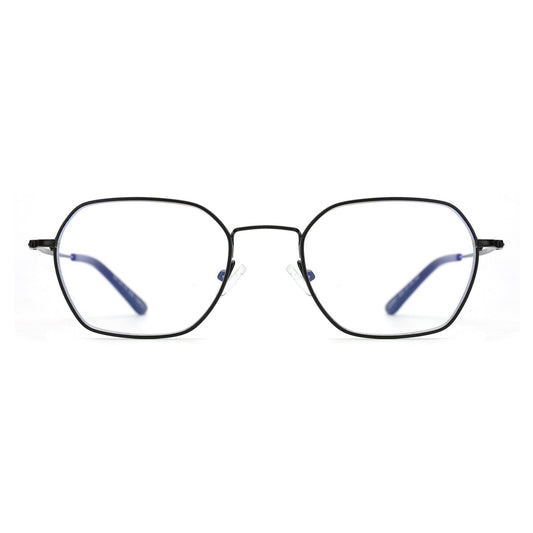
Titanium is often favored for its exceptional strength-to-weight ratio and natural resistance to corrosion. Unlike standard nickel-based alloys, titanium does not react with the acidic pH of human sweat, preventing the "greening" or pitting that can occur over years of touring. However, a common misconception is that titanium is always the "safest" choice. While strong, titanium frames can bend permanently under the localized pressure of a tight helmet, making them difficult to realign.
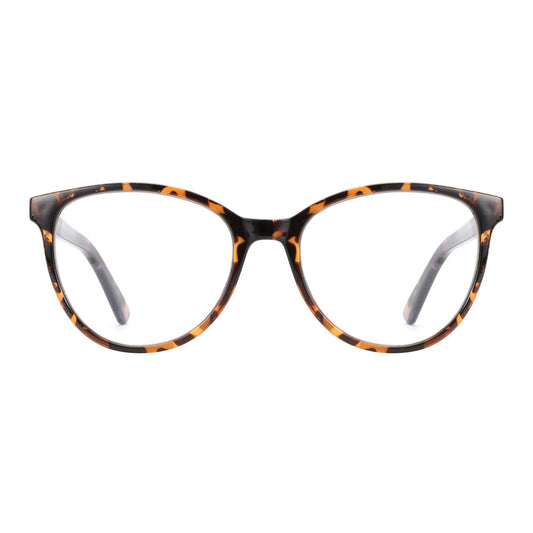
Conversely, durable acetate frame options offer a degree of "memory" and flexibility. High-quality cellulose acetate is less likely to snap under the compression of helmet padding compared to cheaper injection-molded plastics. However, riders should be aware of "blooming"—a process where salt from sweat leaches plasticizers from the acetate, eventually making the frames brittle. Regular cleaning with pH-neutral soap is essential for maintaining the integrity of acetate frames in a riding context.
Logic Summary: Titanium is recommended for riders in humid climates or those prone to heavy sweating due to its inert properties. Acetate is preferred for riders who prioritize frame flexibility and a wider variety of styles, provided they commit to a rigorous cleaning regimen to prevent salt-induced brittleness.
Temple Design: Why Straight Arms Outperform Curved Styles
The most common complaint among bespectacled riders is "helmet headache," typically caused by the temples of the glasses being crushed against the temporal bone by the helmet's EPS (Expanded Polystyrene) liner. Traditional glasses feature curved temples designed to hook behind the ear. Inside a snug-fitting full-face helmet, these hooks have nowhere to go, leading to significant discomfort and even skin abrasions over multi-hour rides.
The solution is the straight or "bayonet" temple design. These arms are engineered to slide straight back along the side of the head, resting flat against the skull. This design minimizes the surface area in contact with the helmet's cheek pads, distributing pressure more evenly. Some modern frames also incorporate "flex zones" or spring hinges that allow the temples to bow slightly outward, conforming to the interior shape of the helmet without losing their grip on the rider's face.

When evaluating a frame, look for the thinnest possible profile. Even a few millimeters of extra thickness in the temple arm can be the difference between a comfortable ride and a distracting pressure point. For riders with high prescriptions, using thin high-index lenses is equally important, as it reduces the overall weight and prevents the front-heavy "sliding" effect that can occur when sweating.
Lens Technology and Coatings for Road Safety
Visibility is the rider's primary defense. In the enclosed space of a helmet, standard lenses often fall short. The primary enemy is fogging, caused by the temperature differential between the rider's warm breath and the cooler air outside the visor. While many helmets feature "Pinlock" systems for the visor itself, the glasses underneath remain vulnerable.
Motorcycle-specific anti-fog coatings are chemically formulated to be hydrophilic, spreading moisture into an invisible film rather than allowing it to form distracting droplets. This is a significant upgrade over standard "daily wear" coatings, which often fail under the extreme conditions of a cold morning ride.
Furthermore, the choice of lens material impacts both clarity and safety. For a deep dive into the material science behind modern optics, we recommend consulting our Technical Guide to High-Index Lens Materials and Standards. This guide details the use of MR™ series polymers (1.61, 1.67, 1.74), which offer superior Abbe values—a measure of how much a material disperses light. High Abbe values are critical for riders, as they minimize "color fringing" in the peripheral vision, allowing for more accurate distance estimation during high-speed maneuvers.
Night Riding and Contrast Enhancement
Riding at night presents a different set of challenges, primarily glare from oncoming LED headlights and low-contrast road surfaces. Standard anti-reflective (AR) coatings are a baseline requirement, but many riders find success with specialized night riding lens options.
Specifically, yellow contrast-enhancing lenses can be beneficial in low-light or overcast conditions. These tints filter out blue light, which is the primary cause of "haze" and glare, effectively sharpening the edges of objects and improving depth perception. However, riders should ensure that any tint used at night maintains at least 80% light transmission to comply with safety regulations and avoid over-dimming the environment.
Sizing and Fit: A Compatibility Matrix for Helmet Types
Not all glasses work with all helmets. The fit is determined by the "eye port" width of the helmet and the density of the cheek pads. A frame that fits perfectly in an open-face "brain bucket" might be impossible to insert into a race-spec full-face helmet.
To ensure a proper eyewear fit for helmet compatibility, refer to the following heuristic matrix:
| Helmet Type | Recommended Frame Width | Temple Style | Key Consideration |
|---|---|---|---|
| Full-Face | Narrow to Medium (<140mm) | Ultra-thin, Straight | Must clear tight cheek pads; prioritize anti-fog. |
| Modular | Medium (140-145mm) | Straight or Slight Curve | Easier to put on; check for hinge interference. |
| Open-Face | Wide (>145mm) | Any (Straight preferred) | Wind protection is key; consider wrap-around styles. |
| Dual-Sport | Medium | Straight with Grip | Needs to stay secure during vibration/off-road use. |
Logic Summary: This matrix assumes standard helmet sizing. If you are between helmet sizes or use custom-thicker cheek pads, always downsize your frame width by 2-3mm to ensure the temples don't bow outward and break the helmet's seal.
Maintenance and Long-Term Comfort Hacks for Touring Riders
For long-distance touring riders, minor discomforts become major distractions over an 8-hour day. Beyond choosing the right frame, several "hacks" can improve the experience:
- Silicone Temple Sleeves: If your frames have metal temples that dig in, adding ultra-thin silicone sleeves can provide a "cushion" without adding significant bulk.
- The "Glasses-First" Rule: Always put your glasses on after the helmet is secured. Attempting to pull a helmet over glasses can bend the frames and scratch the lenses.
- Helmet "Grooves": Many modern helmets (like those from Shoei or HJC) feature dedicated "eyeglass channels" in the padding. If your helmet doesn't have these, do not attempt to cut the EPS liner yourself, as this compromises the helmet's safety. Instead, look for thinner cheek pad replacements from the manufacturer.
- Emergency Removal Protocol: In the event of an accident, first responders are trained to remove helmets carefully. However, glasses can become trapped. Using frames with "breakaway" hinges or flexible temples can make emergency removal safer by allowing the glasses to deform or snap without causing facial lacerations.
Safety Standards and Emergency Removal Protocols
While style is a factor, the primary role of motorcycle eyewear is protection. In 2026, the benchmark for safety is the ANSI Z87.1-2025 standard. This certification ensures that the lenses can withstand the impact of a 1/4-inch steel ball traveling at 150 feet per second. For riders, this translates to protection against road gravel, large insects, and debris kicked up by other vehicles.
It is a common mistake to assume that "shatterproof" fashion sunglasses provide the same protection. Standard fashion lenses are often made of CR-39 or glass, both of which can splinter into dangerous shards upon high-velocity impact. Always verify the "Z87" marking on the frame or lens before taking them on the highway.
Furthermore, consider the "emergency removal" aspect of your gear. If you are involved in a crash, medical personnel need to remove your helmet without causing further neck injury. Glasses with extremely rigid or "hooked" temples can snag on the helmet liner, complicating this process. Opting for flexible, straight-temple designs is not just a comfort choice—it's a safety decision that facilitates faster medical intervention.
FAQ
Can I use my regular daily-wear glasses for motorcycle riding? While you can physically wear them, daily-wear glasses often lack the impact resistance and thin temple profiles required for safe and comfortable riding. Standard frames may create painful pressure points under a helmet and may not meet the ANSI Z87.1-2025 safety standards necessary to protect your eyes from road debris at highway speeds.
What is the best way to prevent my glasses from fogging inside a full-face helmet? The most effective solution is a combination of a high-quality hydrophilic anti-fog coating on the lenses and ensuring your helmet's breath guard is properly adjusted. Hydrophilic coatings work by absorbing moisture and spreading it into a clear film, preventing the formation of opaque fog. Additionally, cracking your visor slightly at low speeds can improve airflow and reduce condensation.
Are titanium frames better than acetate for motorcycle helmets? Both have advantages depending on your priorities. Titanium is exceptionally lightweight and resistant to sweat corrosion, making it ideal for long-distance touring in hot climates. However, acetate frames offer more flexibility and "impact memory," meaning they are less likely to stay permanently bent if the helmet applies localized pressure.
How do I know if my glasses fit properly under my helmet? A proper fit means the glasses sit level on your face without being pushed down by the top of the helmet or squeezed against your temples. You should be able to slide the temples in and out with minimal resistance. If you feel a "throbbing" sensation at your temples after 15 minutes of wear, the frames are too wide or the temples are too thick for that specific helmet.
Should I get polarized lenses for motorcycle riding? Polarized lenses are excellent for reducing glare from wet roads or car hoods during the day. However, they can sometimes cause a "rainbow" effect (birefringence) when looking through certain polycarbonate helmet visors or digital instrument clusters. It is recommended to test the combination of your specific visor and polarized lenses before committing to a long ride.
What are "bayonet" temples, and why are they recommended for riders? Bayonet temples are straight arms that do not curve down behind the ear. They were originally designed for military pilots to fit comfortably under flight helmets and headsets. For motorcyclists, they are the gold standard because they slide easily into the helmet and eliminate the pressure points typically caused by the "hook" of standard glasses pressing into the back of the ear.
References
Government / Standards / Regulators
- ANSI Z87.1-2025: American National Standard for Occupational and Educational Personal Eye and Face Protection Devices
- ISO 12312-1:2022: Eye and face protection — Sunglasses and related eyewear
Industry Associations / Research Institutes
- Motorcycle Safety Foundation (MSF): Personal Protective Equipment Guide
- Vision Council: Impact Resistance Standards for Sports and High-Activity Eyewear
