




Full-Frame vs. Half-Eye vs. Bifocal Readers: A Practical Comparison
The best starting point in a full-frame readers vs. half-eye readers comparison is your usual routine. Choose full-frame readers when you stay focused on close work, compare half-eye readers when you look up occasionally, and investigate bifocal readers when you switch between near and farther viewing repeatedly. Each format is a practical category to compare, with a tradeoff to consider before you add a pair to your cart.

Which Reader Style Fits Your Routine?
Watch one typical reading session before shopping. Notice whether you remain focused on a book, label, screen, or craft, or whether you regularly look across the room. This is a shopping heuristic, not a medical or prescription rule.
- Mostly uninterrupted close-up work: start with full-frame readers. They are the practical format to compare when the session stays centered on near tasks. The tradeoff is that farther viewing may require looking over the frames or removing them.
- Close work with occasional look-ups: compare half-eye readers. Their lower reading area is a category feature to assess for close viewing while the wearer can look over the frame for farther viewing. The tradeoff is that the frame has to stay positioned so the lower area lines up with the task.
- Repeated near-to-far switching: compare bifocal readers. A bifocal layout provides separate farther-view and near-view zones in one pair. The tradeoff is that you must use the intended zone as your gaze changes rather than treating the lens as one undivided reading area.
If your routine is mixed but the disruptive part is unclear, compare the half-eye and bifocal descriptions below. Focus on whether you want to look over a lower reading area or move between defined lens zones. When you are ready to shop, you can compare reading-glasses styles without assuming that the collection contains a particular format.

What Full-Frame Readers Change
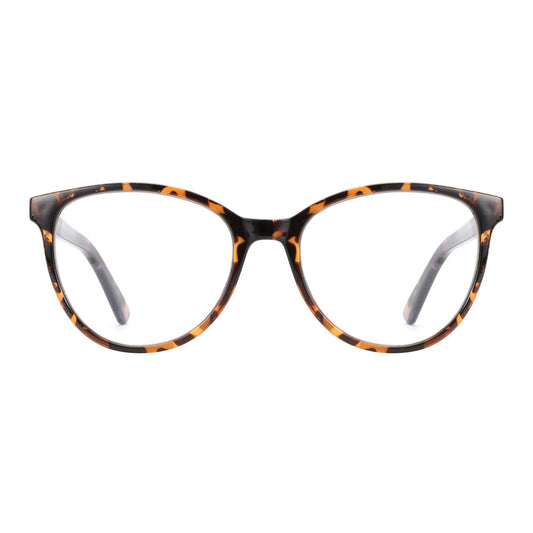
Full-frame readers are a conventional near-use format to compare when the wearer spends most of the session on close work. They fit routines centered on books, labels, screens, sewing, crafts, or focused desk tasks, while farther viewing is infrequent.
The tradeoff appears when you look away from the near task. Because the pair is being used for close work, farther viewing may require looking over the frames or removing them. That is a practical usage difference, not a claim about guaranteed comfort, field of view, or eye-strain reduction.
Ask yourself: “Will I spend most of this session looking close?” If yes, full-frame readers belong at the top of your comparison. If you expect to check the room, speak with someone, or shift to farther viewing throughout the same session, compare the half-eye and bifocal formats before choosing.
What Half-Eye Readers Change
Half-eye readers are a lower-area close-up format to compare when you read or work close up but periodically need to look up. The upper sightline lets the wearer look farther away without immediately removing the pair, but placement and natural gaze determine whether the layout works in practice.
The frame must sit so the lower reading area aligns with where you naturally look at the page, label, screen, or craft. Product-page frame information can help you assess the stated design, but it cannot establish a guaranteed fit or comfort result.
Half-eye look-over viewing is different from a bifocal’s separate optical zones. With a half-eye format, the farther-view action is looking above the lower reading area. If your routine involves repeated near-to-far changes, compare whether that look-over action is workable or whether a defined bifocal arrangement better matches the way you use glasses.
What Bifocal Readers Change
Bifocal lenses use two optical zones in one pair: a distance zone above and a near zone below, as All About Vision explains. This layout is most relevant when you repeatedly move between close work and farther viewing.
You look through the intended upper or lower zone as the task changes. The central tradeoff is the zone boundary and the required gaze change: the lens is not an undifferentiated near-reading area.
Do not confuse bifocal readers with progressive lenses. The comparison here is narrower: standard near-use readers, lower-area half-eye readers, and a bifocal design with separate upper and lower zones. The shopping question is whether that defined zone arrangement fits your routine better than looking over a half-eye frame or removing full-frame readers.
Full-Frame Readers vs. Half-Eye Readers: Bifocal Comparison
The table gives a quick qualitative orientation for full-frame readers vs. half-eye readers and bifocal options. It is a practical shopping heuristic, not a measured ranking or a promise of comfort or performance.
| Reader style | Viewing arrangement and easiest routine | Main tradeoff |
|---|---|---|
| Full-frame | Near-use coverage across the main lens area; easiest to compare for sessions focused mostly on books, labels, screens, or crafts. | Farther viewing may require looking over the frames or removing the pair. |
| Half-eye | Lower reading area with an upper sightline for looking farther away; worth comparing for close work interrupted by occasional look-ups. | The frame must remain positioned so the lower reading area meets the near task. |
| Bifocal | Separate upper farther-view and lower near-view zones in one pair; relevant for repeated near-to-far switching. | You must use the intended zone and manage the change in gaze between the zones. |
The choice comes down to the viewing arrangement you will use most: near coverage, an open upper sightline, or separate zones. Half-eye readers rely on looking over the lower reading area; bifocal readers rely on moving between designated zones.
Check the Fit Before You Add Readers to Your Cart
Before buying online, make these three checks against your actual routine and the information stated on the product page:
- Match the format to a typical session. Decide whether your use is mostly uninterrupted close work, close work with occasional look-ups, or repeated near-to-far switching. Use that pattern to select the format you investigate first.
- Confirm stable placement over the near task. Check the available frame and lens information, then ask whether the pair can stay positioned so you naturally look through the intended reading area. This is especially important when comparing a lower-area half-eye design.
- Confirm the farther-view action. Full-frame use may mean looking over the frames or removing them. Half-eye use means looking above the lower reading area. Bifocal use means looking through the designated farther-view zone. Choose the action you can use during a normal session.
After these checks, compare the format stated in each product description. Match the glasses to how often you leave the near task, then verify placement and the farther-view action before you add a pair to your cart.
Frequently Asked Questions
Should I choose full-frame or half-eye readers for books and labels?
Choose full-frame readers when you remain focused on the book or label for most of the session. Compare half-eye readers when you regularly look up at the room or another person. If the choice feels close, frame placement is the deciding check: the near reading area must meet your natural gaze.
What is the difference between bifocal reading glasses and regular readers?
Regular single-vision readers are designed around near use, while bifocal reading glasses have separate farther-view and near-view zones in one pair. Choose between them by asking whether a defined zone change fits your routine better than a single near-use area.
Are half-eye readers the same as bifocal reading glasses?
No. Half-eye readers use a lower reading area and let you look over the frame for farther viewing. Bifocal readers use separate designated lens zones for farther and near viewing. The functional difference is look-over viewing versus zone-to-zone viewing.
What should I check before buying reading glasses online?
Match the format to a typical session, confirm that the frame stays positioned over the intended near task, and identify how the design handles farther viewing. Use the product description for the stated frame and lens details rather than inferring a format that it does not name.
