



How to Measure for Clip-On Sunglasses: Width, Height, and Shape
Place the glasses you plan to cover beside a millimeter ruler and the clip-on listing diagram. Record the widest front width, each lens-opening height, the bridge position, and the frame shape before you shop. That record gives you a usable clip-on sunglasses size comparison instead of relying on a product photo or a general label such as small or large.

Measure Your Frame Width and Lens Height First
Start with the eyeglasses the clip-on will cover. Measure the frame itself, keep width and height separate, and write down the unit used by the listing. The numbers printed inside a temple can help, but they do not replace direct measurements of the total front width or lens height.
Measure the Full Frame Width
Measure the widest front span of the glasses from the left outside edge to the right outside edge. This is the horizontal area a clip-on may need to span, but compare it only with a clip-on measurement that describes the same area.
- Place the glasses face-up on a flat surface, or hold them level with the front facing you.
- Measure from the widest left edge of the frame front to the widest right edge. Keep the ruler straight rather than following the curve of the frame.
- Record the result in millimeters, or convert it to the unit used in the clip-on listing. Note whether your number is total front width, lens width, or another measurement.
Do not substitute temple length or bridge width for the front span. If your glasses have printed markings, they commonly show lens width, bridge width, and temple length. Bridge width is the distance between the lenses, while temple length describes the arm of the glasses. These markings are useful supporting inputs, not proof that a clip-on will fit. See the distinction among lens width, bridge width, and temple length before using printed numbers in your comparison.

Measure Each Lens Opening Vertically
Measure the usable lens-opening height separately for the left and right sides. Height tells you whether the clip-on can cover the intended vertical area, so a width match cannot answer this part of the fit question.
- Identify the top and bottom edges of each lens opening, following the frame outline rather than measuring the bridge.
- Measure vertically from the top edge to the bottom edge of the left opening.
- Repeat the measurement on the right opening and record whether the two heights are the same.
Keep lens-opening height separate from lens width, bridge width, and total front width. Add the bridge position and a short shape description to your record, such as round, rectangular, square, aviator-like, or geometric. Those labels are only reminders. The actual outline controls the later fit check.
Your measurement record should now contain the widest comparable front span, the left and right lens-opening heights, the units, the bridge position, and the front shape. If a listing does not explain whether its width means overall width, lens width, or coverage width, do not treat a similar-looking number as a confirmed match.
Compare the Clip-On's Width and Height With Your Measurements
Read the listing diagram before comparing numbers. A clip-on's overall width, lens width, and coverage width may describe different spans, so a reliable clip-on sunglasses sizing guide must define what each number measures. Compare width for horizontal span and height for vertical coverage as two separate decisions.
Check Width Coverage
Compare your widest comparable front span with the clip-on's defined overall or coverage width. Reject an option that is clearly narrower than the area it must span. A wider measurement is not automatically correct either: inspect whether the extra width creates visible overhang and whether the attachment position still lines up with both lenses.
If the listing calls its number "lens width," compare it with a lens-width measurement, not your total front width. If it calls the number "overall width" or "coverage width," use the corresponding measurement from your glasses when available. This like-for-like step is the core of a useful clip-on sunglasses width measurement.
There is no supported universal millimeter allowance that guarantees a fit. Do not add an invented tolerance to your measurement. Instead, use the listing's definitions and the front-view image or diagram to decide whether the clip-on spans the glasses without obvious overhang or an uncovered side.
Check Vertical Coverage
Compare the clip-on's defined coverage height with the measured height of each lens opening. The aim is intended coverage of both openings without an obvious top or bottom gap caused by a different outline or by the clip-on sitting out of position.
Check both sides in the listing image or diagram, not just one numerical dimension. Keep the height result independent from the width result: a clip-on can appear wide enough while still leaving too much of the lens opening exposed vertically. Conversely, a similar height does not resolve a horizontal mismatch or a bridge conflict.
When a listing does not define its height clearly, carry that uncertainty into the final decision. A close-looking number is not enough if you cannot tell whether it represents lens height, overall height, or coverage height. For another practical comparison of frame width symptoms, see how to compare clip-on width and height, but use the current listing's measurement definitions for the actual order decision.
Match the Clip-On Shape to Your Frame
Shape is a separate physical compatibility check. After width and height look comparable, compare the clip-on and your glasses from the front: top edge, outer corners, lower edge, and center bridge. A round, oval, rectangular, square, aviator, or geometric label cannot establish universal compatibility by itself.
Compare the Front-View Outline
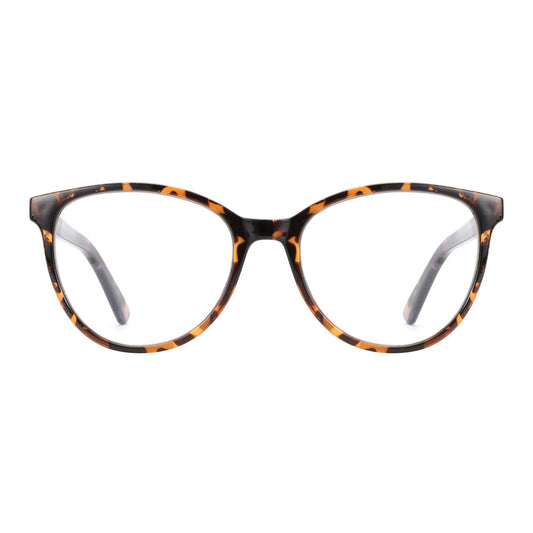
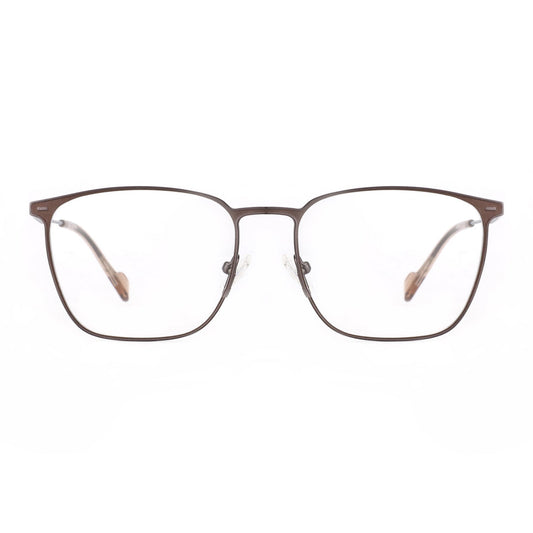
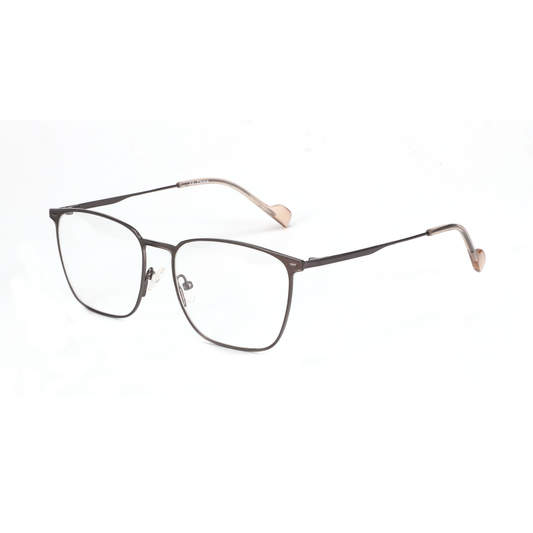
Place the frame image and clip-on image in the same front-facing orientation when possible. Compare where the top edge begins and ends, how the outer corners turn, and whether the lower edge follows the lens opening. Then compare the bridge position and the area around the nose pads.
A width and height match does not resolve a different lower silhouette or a bridge that sits too far high or low. If the clip-on shape intrudes into the bridge or nose-pad area, the numerical comparison is no longer enough. Use a frame shape comparison as a visual reference only; the actual front outlines, not the style name, determine whether the shapes appear compatible.
Reject Obvious Shape Mismatches
Keep shopping when the front view shows any of these conditions:
- A visible corner gap or overhang around either lens opening.
- A straight or narrow lower edge against an aviator-like or teardrop lower silhouette.
- A bridge position that would make the clip-on sit too high, too low, or interfere with the eyeglass bridge or nose pads.
- An unusual geometric outline that cannot be judged from width alone.
These are conservative visual rejection rules, not guarantees about attachment, comfort, or complete coverage. Shape matters most when the dimensions are close but the outlines disagree. In that situation, choose a different silhouette rather than forcing a numerical match.
Verify the Listing Before You Order
Order only when the listing defines comparable width and height measurements, the intended vertical coverage appears to include both lens openings, and the front-view outline and bridge show no obvious conflict. If a required dimension is missing or a visible check fails, do not guess. Choose another size or silhouette, or ask the seller for the missing measurement.
Put your written measurements beside the listing diagram and use this final decision matrix:
| Check | Pass condition | Action |
|---|---|---|
| Width definition | The clip-on measurement describes the same span as your recorded frame measurement and is not clearly narrower. | Continue to the height check. |
| Height definition | The stated coverage height can cover both lens openings as intended, with no obvious top or bottom gap in the front view. | Continue to the shape check. |
| Shape and bridge | The top edge, corners, lower edge, bridge, and nose-pad area show no obvious gap, overhang, or interference. | Order only after the listing passes all three checks. |
| Missing or conflicting information | A needed dimension is undefined, or the outline shows a clear mismatch. | Keep shopping or ask the seller instead of guessing. |
This is the practical answer to how to get the correct size for clip-on sunglasses: require comparable definitions, then inspect height and shape separately. The absence of a universal allowance means "close" is not a pass by itself. Before adding an option to your cart, you can check the fit before you buy using the three checks above. If the listing remains incomplete, keep shopping rather than treating a product image or frame marking as sufficient evidence.
Frequently Asked Questions
These quick answers cover the measurement exceptions that most often change an online sizing decision.
What numbers on my glasses help me choose a clip-on size?
Numbers inside the temple may show lens width, bridge width, and temple length. Use them as supporting information, then directly measure total front width and each lens-opening height when those are the dimensions your clip-on listing requires. Match the marking's definition to the listing instead of adding the numbers together or using temple length as the clip-on span.
How can I tell if a clip-on covers enough of my lens vertically?
Compare the clip-on's defined coverage height with the measured height of both lens openings. Look for a top or bottom gap in the front-facing listing image or diagram. No universal extra allowance establishes a pass, so a missing height definition or visibly incomplete coverage is a reason to choose another listing or ask the seller.
Will a clip-on fit any frame shape if the width matches?
No. Width checks horizontal span only. Compare the actual top edge, outer corners, lower edge, bridge position, and nose-pad area. If those parts show a gap, overhang, or interference, keep shopping even when the width appears close. A shape label is a comparison aid, not a universal fit rule.
