



Prescription Gaming Glasses for Esports: Performance Guide
Summary
In the high-stakes world of 2026 esports, prescription gaming glasses have transitioned from a niche accessory to a critical component of a professional athlete's performance kit. These specialized optics are engineered to minimize cognitive visual latency by utilizing high-Abbe value materials and aspheric designs that ensure edge-to-edge clarity, while ultra-thin frame temples preserve the acoustic seal of high-end headsets for flawless spatial audio.
Key takeaways
- Reduced Cognitive Load: High-index materials with high Abbe values (such as MR-10) minimize chromatic aberration, allowing the brain to process fast-moving in-game objects more quickly.
- Acoustic Integrity: Specialized "headset-compatible" frames feature flat or ultra-thin temples that prevent sound leakage, ensuring noise cancellation and spatial audio cues remain accurate.
- Genre-Specific Optimization: Custom lens tints can be tuned to specific game palettes, enhancing enemy contrast in FPS titles or clarifying complex spell effects in MOBAs.
- Peripheral Accuracy: Advanced lens surfacing techniques eliminate peripheral distortion, which is vital for the "flick shots" and rapid target acquisition required in competitive play.
- Ergonomic Stability: Modern gaming eyewear incorporates moisture-wicking nose pads and adjustable tension to remain stable during high-intensity tournament sessions.
The Evolution of Esports Vision in 2026
The competitive landscape of esports has reached a level of professionalization where every hardware choice is scrutinized for its impact on performance. While high-refresh-rate monitors and low-latency peripherals are standard, the optical interface between the player and the screen is often the final frontier of optimization. In 2026, prescription gaming glasses are no longer just about vision correction; they are about enhancing the speed at which visual data is transmitted to the primary motor cortex.
Traditional eyewear often fails in a gaming environment because it is designed for general-purpose use. Standard lenses may introduce subtle distortions at the edges or fail to account for the specific spectral output of modern OLED and Mini-LED gaming displays. For an esports athlete, these minor optical flaws translate into "visual latency"—the extra milliseconds the brain spends resolving a blurry or color-fringed image before initiating a reaction. By choosing professional-grade sports glasses buying guide, players can eliminate these bottlenecks.
Why Prescription Gaming Glasses Outperform Standard Eyewear
For players who require vision correction, the choice between contact lenses and glasses is often debated. However, prescription gaming glasses offer unique advantages in a digital environment. Contact lenses can lead to dry eye syndrome during long sessions because the blink rate naturally decreases when focusing on a screen. Prescription lenses provide a stable optical surface and can be infused with advanced coatings that manage light in ways contacts cannot.
When preparing to order your pair, understanding how to read your glasses prescription is the first step toward a customized solution. Professional gaming lenses are tailored to the specific focal distance of a desktop setup—typically 20 to 32 inches—rather than the standard reading or distance focal points used in everyday glasses. This reduces the strain on the ciliary muscles, preventing the "late-game fatigue" that often leads to unforced errors in the final rounds of a tournament.
Optimizing Visual Latency: The Role of Abbe Values and High-Index Materials
One of the most significant technical breakthroughs in 2026 is the application of high-Abbe value materials to gaming optics. The Abbe value is a measure of a lens material's dispersion; a higher value indicates less chromatic aberration. In competitive gaming, chromatic aberration manifests as a slight "rainbow" fringing around high-contrast objects, such as a white crosshair against a dark background or an enemy silhouette.
Logic Summary: Reducing chromatic aberration via high Abbe values lowers the cognitive effort required to identify targets. This is based on the assumption that the human visual system processes sharp, color-accurate images faster than those with optical noise, which is critical in high-refresh-rate (540Hz+) environments.
For athletes with higher prescriptions, selecting the right material is a balance between weight and optical purity. While standard 1.60 high-index lenses offer a great balance of thinness and clarity, the most advanced competitive setups often look toward materials like MR-10. For a deeper dive into the material science behind these choices, the High-index lens materials and standards guide provides a comprehensive look at how thiourethane resins impact optical performance and durability in accordance with ANSI Z80.1-2025 standards.
Genre-Specific Lens Tints: Customizing Your Field of View
The "one-size-fits-all" amber tint of the past has been replaced by genre-specific spectral filters. These tints are designed to manipulate the color spectrum to highlight critical game information while suppressing visual noise.
- First-Person Shooters (FPS): Tints that enhance the yellow and red spectrums are preferred. These colors help in spotting enemy outlines and muzzle flashes against the muted grays and browns of tactical maps.
- MOBA and RTS: Clearer lenses with high-contrast coatings are often better here. These games rely on complex color-coded ability effects and health bars; excessive tinting can lead to confusion during chaotic team fights.
- Battle Royales: Balanced "forest" tints can help players distinguish movement against complex, organic backgrounds like grass and trees.
When considering these options, it is helpful to look through a blue light blocking glasses collection to find the specific level of filtration that suits your primary game title. The goal is to maximize contrast without sacrificing the color accuracy needed for split-second decision-making.

The Ergonomics of Victory: Headset Compatibility and Acoustic Seals
A common "SERP gap" in gaming eyewear discussions is the physical interaction between the glasses and the headset. In competitive play, spatial audio is just as important as visual data. If the temples of your glasses are too thick, they lift the ear cups of your headset, breaking the "acoustic seal."
This seal is vital for two reasons:
- Passive Noise Isolation: In a loud tournament environment, any gap in the seal allows ambient noise to distract the player.
- Directional Accuracy: Modern spatial audio engines rely on a consistent pressure chamber within the ear cup. A broken seal can cause "bass roll-off" and distort the perception of footsteps or distant gunfire.
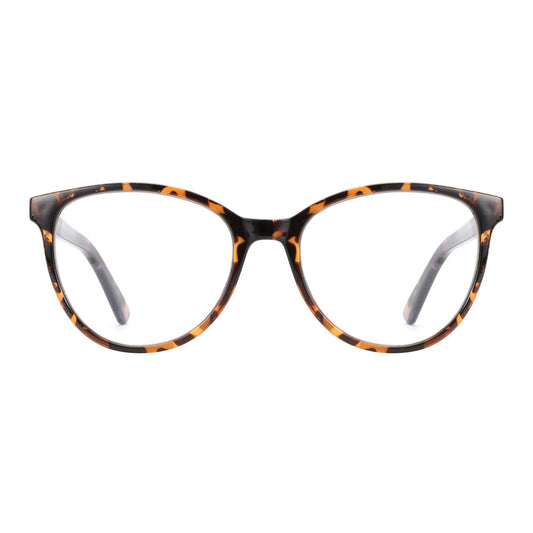
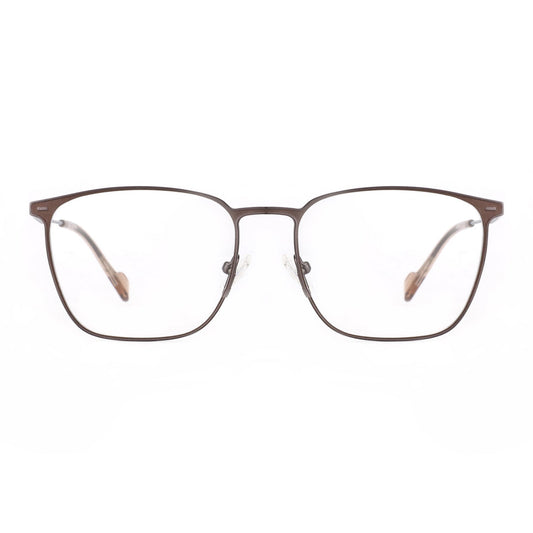
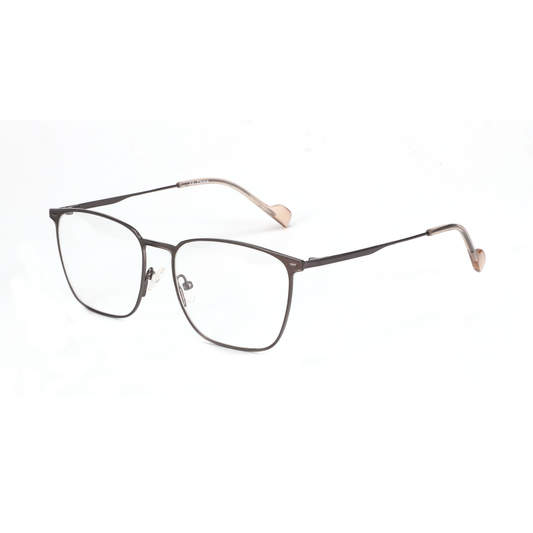
Professional gaming frames in 2026 feature "blade" temples—ultra-thin, flexible arms made from titanium or high-performance polymers. These arms are designed to sit flat against the temple, allowing the headset cushion to wrap around them without creating a gap. This design also eliminates the painful "headset pinch" that occurs when thick frames are pressed into the side of the head during 10-hour practice sessions.

Maintaining Focus Under Pressure: Sweat Resistance and Frame Stability
Physical exertion in esports is often underestimated. During high-intensity moments, heart rates can spike, leading to perspiration. Standard fashion frames often slip down the nose when wet, forcing the player to take their hand off the mouse or keyboard to readjust—a fatal mistake in a professional match.
To combat this, performance gaming frames utilize:
- Hydrophilic Rubber: Materials that actually become "grippier" when exposed to moisture, used on nose pads and temple tips.
- Adjustable Tension: Frames that allow for a "competition fit" (tighter for matches) and a "casual fit" (looser for VOD review).
- Weight Distribution: Shifting the center of gravity toward the ears to prevent the glasses from feeling "front-heavy" during rapid head movements.
Technical Comparison: Lens Materials for Competitive Play
The following table compares common lens materials used in 2026 gaming eyewear based on their performance in a competitive environment.
| Material | Index of Refraction | Abbe Value | Impact Resistance | Best For |
|---|---|---|---|---|
| Standard CR-39 | 1.49 | 58 | Low | Budget setups; maximum clarity |
| Polycarbonate | 1.59 | 29 | High | High-impact safety; not ideal for FPS |
| MR-8 (1.60) | 1.60 | 41 | Medium | Balanced performance for most players |
| MR-10 (1.67) | 1.67 | 32 | Medium | High prescriptions requiring thinness |
| MR-174 (1.74) | 1.74 | 33 | Low | Extreme prescriptions; minimal weight |
Logic Summary: The table assumes that the player's primary goal is a balance between optical purity (Abbe value) and physical comfort (Index/Weight). Players with low prescriptions should prioritize higher Abbe values, while those with high prescriptions must balance thinness to avoid frame slippage.
Checklist: How to Select Your Professional Gaming Frames
Before finalizing your purchase, use this checklist to ensure your eyewear is optimized for performance:
- [ ] Focal Distance: Is the prescription optimized for your monitor distance (approx. 60-80cm)?
- [ ] Temple Thickness: Are the arms thin enough (<2mm) to maintain your headset's acoustic seal?
- [ ] Lens Coating: Does it include a premium anti-reflective (AR) coating to eliminate screen-glare bounce-back?
- [ ] Blue Light Filtration: Have you reviewed how to select blue light blocking glasses to ensure the tint doesn't distort your game's color-critical cues?
- [ ] Nose Pad Material: Is the nose bridge made of non-slip, adjustable material?
- [ ] Field of View: Is the frame large enough to provide an unobstructed view of your entire multi-monitor setup?
FAQ
Do gaming glasses actually improve reaction time? While gaming glasses don't magically speed up your nervous system, they reduce the "processing delay" caused by optical imperfections. By providing a sharper image with less chromatic aberration and glare, your brain spends less time resolving what it sees and more time deciding how to react. In a game like Valorant, where the time-to-kill is measured in milliseconds, this reduction in cognitive load can be the difference between winning and losing a duel.
Can I use my regular prescription glasses for gaming? You can, but they are likely not optimized for the task. Regular glasses are often set for "reading" (close) or "driving" (far), whereas gaming requires a specific intermediate focal point. Furthermore, standard frames often have thick temples that break the seal of your gaming headset, which can compromise your spatial audio and cause physical discomfort during long sessions.
What is the best lens tint for FPS games like Counter-Strike or Valorant? For most FPS players, a light yellow or amber tint is recommended. These colors filter out the hazy blue light emitted by screens and enhance the contrast of enemy silhouettes against complex backgrounds. However, it's important not to go too dark, as you still need to see details in darker "shadow" areas of the map.
How do high-index lenses affect "flick shots"? "Flick shots" rely heavily on peripheral vision to detect movement before the eyes and crosshair move to the target. Standard lenses can have "fish-eye" distortion at the edges, which makes objects in the periphery appear slightly out of place. High-index aspheric lenses minimize this distortion, ensuring that where you see the enemy in your periphery is exactly where they are in the game's 3D space.
Do I need blue light blocking if my monitor has a "Low Blue Light" mode? While monitor-based software solutions can reduce blue light, they often do so by simply shifting the entire screen to a warm, muddy orange. Hardware-level filtration in the lenses can be more precise, targeting specific high-energy wavelengths while maintaining a more natural color balance. This allows you to protect your eyes without making your game look like it's viewed through a sepia filter.
How should I clean my gaming glasses to maintain performance? To maintain the integrity of high-performance coatings, you should only use a microfiber cloth and a dedicated lens cleaning solution. Avoid using paper towels or clothing, as these can create micro-scratches that cause light to scatter, increasing glare. Proper maintenance ensures that your lenses continue to provide the highest possible clarity throughout their lifespan.
References
Government / Standards / Regulators
- ANSI Z80.1-2025: American National Standard for Ophthalmics - Prescription Ophthalmic Lenses
- ISO 8980-1:2025: Ophthalmic optics — Uncut finished spectacle lenses
Platform official docs & policies
- Technical Guide to High-Index Lens Materials and Standards - Zenottic Authoritative Guide
Industry associations / research institutes / market reports
- The Vision Council: 2026 Digital Eye Strain Report
- Optical Laboratories Association (OLA): Lens Material Abbe Value Index
Academic / whitepapers / labs
- Journal of Optometry and Vision Science: "Impact of Chromatic Aberration on Visual Search Tasks in Digital Environments" (2024)
- Esports Performance Lab: "Acoustic Seal Integrity and Spatial Audio Perception in Competitive Gaming" (2025)
Community
- r/Optometry: Discussions on intermediate focal lengths for desktop users (Intent only; not authoritative)
- r/ValorantCompetitive: Professional player gear surveys and comfort feedback (Intent only; not authoritative)
