



The Ultimate Guide to Styling High-Prescription Glasses
Having a high prescription no longer means settling for bulky or dated-looking glasses. With thoughtful frame selection, high-index lenses, and attention to fit, you can achieve a stylish, confident look that complements your features rather than drawing attention to lens thickness. The key is understanding the interplay between your prescription strength, lens material, and frame proportions, then choosing options that work together for your face and lifestyle.

High-index lenses have become the go-to solution for strong prescriptions because they bend light more efficiently than standard plastic or glass. This allows the lenses to be thinner and lighter, reducing both the physical weight on your face and the visible edge thickness. For prescriptions of -6.00 and stronger, 1.74 high-index lenses are frequently selected as they offer one of the thinnest common single-vision options available, though the final appearance still depends heavily on your exact prescription, pupillary distance, and chosen frame size. As this guide to high-index lenses explains, these materials help strong prescriptions look slimmer, but they do not make thick lenses disappear entirely.
Why Lens Material Matters More Than Ever in 2026
Lens technology continues to evolve, with high-index options like 1.67 and 1.74 providing meaningful improvements in both aesthetics and comfort. The higher the refractive index, the thinner the lens can be for the same prescription power. However, higher-index materials sometimes come with trade-offs in optical clarity (measured by Abbe value), so balancing thickness against visual quality is essential. Our internal 1.67 vs 1.74 high-index lenses comparison explores these differences in detail for prescriptions of -6.00 and above.
Smaller frames generally help reduce the visible edge thickness of high-prescription lenses simply because there is less lens surface area to fill. Pairing a compact frame with 1.74 lenses often yields the most discreet result. At the same time, full-rim designs tend to hide the lens perimeter better than rimless or semi-rimless styles, which can expose more of the edge and make thickness more noticeable in severe myopia.
Heuristic Frame Choices for High Prescription Glasses
Use this as a qualitative buying aid, not a measurement chart.
View chart data
| Category | Visible Lens Thickness (1=lower) | Style Versatility (1-5) |
|---|---|---|
| Small Full-Rim Round | 1.0 | 4.0 |
| Medium Full-Rim Soft Square | 2.0 | 3.0 |
| Large Full-Rim Angular | 4.0 | 2.0 |
| Small Rimless Round | 3.0 | 3.0 |
| Large Rimless Square | 5.0 | 1.0 |
Illustrative heuristic only. Relative scores derived from general fit principles: smaller frames usually reduce visible edge thickness; full-rim hides lens edges better than rimless; rounder/softer shapes are generally safer than oversized angular frames. No precise measurements or guarantees implied.
This chart offers a heuristic overview of common frame archetypes. Smaller, full-rim, rounder designs tend to score better for minimizing visible thickness, while larger or rimless angular styles often prioritize versatility at the expense of discreetness. Treat the scores as directional guidance rather than absolute measurements, as individual results vary with your prescription and pupillary distance.

Choosing Frames That Flatter High Prescriptions
Frame shape and size play a critical role in how your lenses appear. Rounder or softer frame shapes are often a safer styling choice for strong prescriptions because they avoid exaggerating edge thickness the way oversized geometric or very angular frames can. Compact frames that position your eyes closer to the optical center also help minimize both thickness and distortion.
Full-rim frames usually conceal lens edges better than rimless styles, making them a practical pick when your prescription is particularly strong. Rimless and semi-rimless designs, while minimalist and lightweight, can make the lens perimeter more obvious and are therefore often less forgiving for severe myopia. Our ultimate face shape guide for 2026 provides additional insights into matching frames to facial geometry.
Popular flattering options include smaller round or soft-square acetate frames, classic full-rim metal styles with spring hinges for comfort, and lightweight TR90 designs that reduce overall weight. Avoid very large or oversized frames unless you specifically want a bold statement look, as they require thicker edges at the periphery.
Face Shape Guidance for Strong Prescriptions
Your face shape should influence but not strictly dictate your frame choice. Oval faces generally have flexibility across many styles, while round faces often benefit from angular or rectangular frames that add structure. Square faces tend to look balanced with rounder or oval shapes that soften the jawline. Heart-shaped faces frequently pair well with bottom-heavy or rimless styles that draw attention downward.
When styling high prescriptions, prioritize frames that keep the lens area moderate regardless of face shape. This approach helps maintain flattering proportions while reducing visible bulk. For more tailored advice, explore our best eyeglasses frames for your face shape.
Practical Tips to Minimize Lens Thickness Appearance
- Select the smallest frame size that still fits your face comfortably and provides adequate field of vision.
- Opt for full-rim or semi-rim designs over fully rimless when possible.
- Choose frames with wider temples and adjustable nose pads to distribute weight evenly and prevent red marks or slipping.
- Consider darker frame colors or subtle patterns that draw the eye away from the lens edges.
- Pair your choice with anti-reflective coatings to improve clarity and reduce glare that can highlight lens thickness.
If heavy glasses cause nose marks or discomfort, switching to high-index lenses combined with lightweight frames often resolves the issue. Our guide on preventing red marks from heavy glasses offers additional practical adjustments.
Lens and Frame Buying Checklist
Before purchasing, run through this checklist to ensure your new glasses will both perform well and look stylish:
- Confirm your exact prescription strength and pupillary distance with your eye care provider.
- Decide on lens index (1.67 or 1.74) based on your diopter needs and budget.
- Measure or note your preferred frame width and ensure it is proportionate to your face.
- Prioritize full-rim or soft-shaped frames if hiding edges is a top priority.
- Check for adjustable nose pads or lightweight materials like TR90 or titanium for all-day comfort.
- Request anti-reflective and UV coatings for better visual comfort and lens appearance.
Remember that the right frame depends on your prescription power, pupillary distance, lens material, and frame measurements, so there is no single perfect style for every high-Rx wearer.
Styling High-Prescription Glasses with Confidence
Fashionable glasses for strong prescriptions are very achievable when you focus on proportion, material, and fit rather than chasing one universal “best” frame. Many wearers successfully blend trendy designs with practical high-index lenses to create looks that feel intentional and modern. Browse our collection of acetate frames or rimless glasses to see versatile options that pair well with premium lenses.
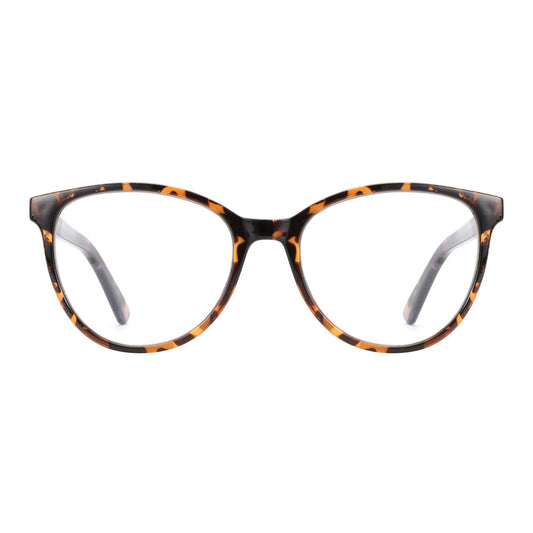
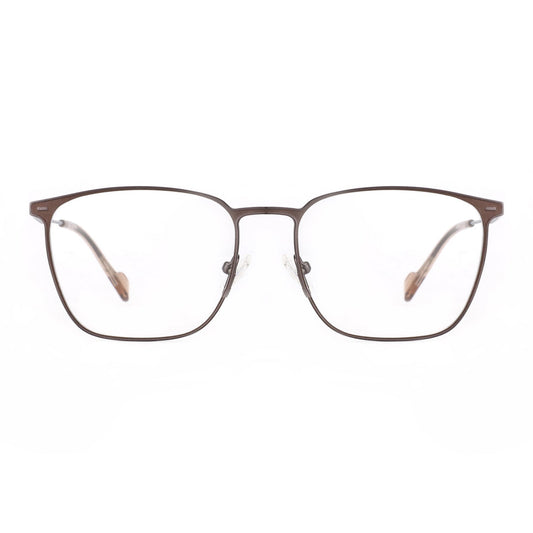
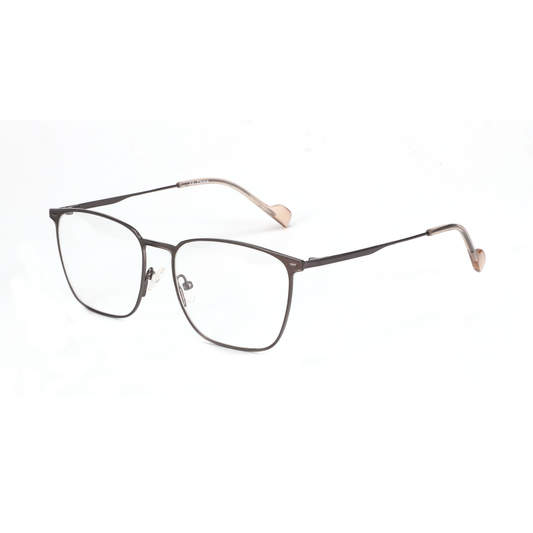
For everyday wear, consider versatile styles like the lightweight and flexible Zenottic Chloe or the durable Zenottic Thomas, both available with 1.74 high-index lenses. Women may also explore the women’s eyeglasses collection for flattering shapes, while men can check the men’s eyeglasses for classic and contemporary options.
Important Note on Comfort and Vision: This article discusses styling, frame selection, and lens options for aesthetic and practical purposes only. It does not constitute medical advice, diagnosis, or treatment. Lens thickness, weight, and comfort depend on individual prescription, facial anatomy, and proper fitting. If you experience persistent discomfort, headaches, visual distortion, or any eye health concerns, consult a qualified optometrist or ophthalmologist for personalized care.
By combining the latest high-index lens technology with smart frame choices, you can enjoy clear vision and a look you feel good about every day. Take time to compare options, use virtual try-on tools when available, and prioritize what makes you feel most confident.
