


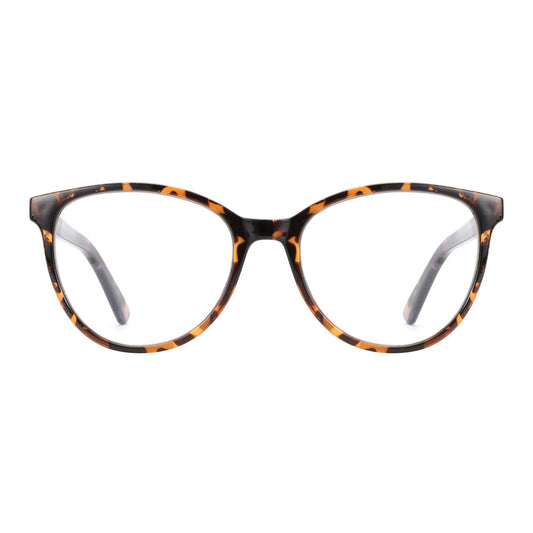

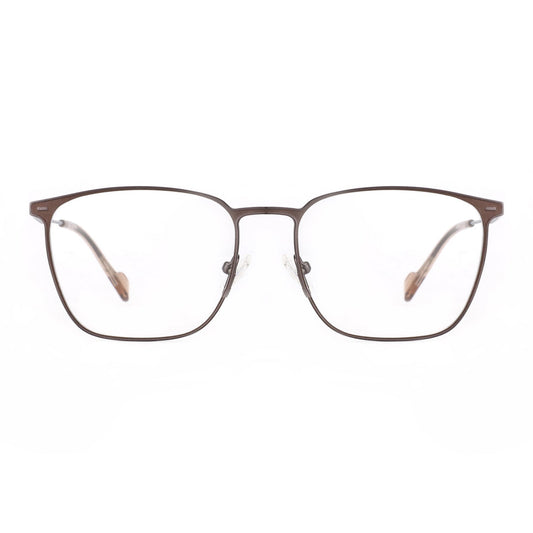
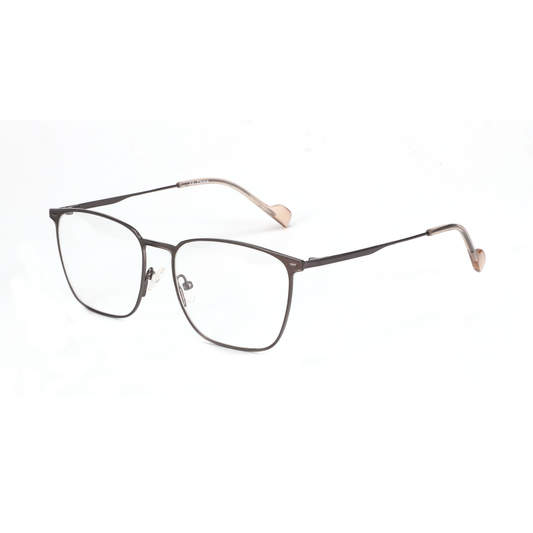
Can You Wear Blue-Light Glasses All Day?
Some people can wear blue-light glasses all day if their vision stays clear and the frames remain comfortable. But all-day wear is optional, not a universal requirement. A task-based schedule is just as reasonable when you use them mainly for work, school, reading, or evening screen time. Start with your longest activity block, then extend wear only while comfort, tint, glare, and clear vision remain acceptable.

Which Schedule Fits When You Wear Blue-Light Glasses All Day?
The best schedule follows your actual activities, not a fixed number of hours. Put the glasses on before the task where you expect them to be most useful, reassess when the setting changes, and remove them if the lens view or fit becomes distracting.
There is no meaningful evidence that ordinary blue light from digital devices causes retinal damage or age-related macular degeneration, according to the American Academy of Ophthalmology. The AAO also summarizes studies suggesting that blue-light-blocking glasses do not consistently improve digital eye-strain symptoms. A 2023 systematic review of blue-light-filtering spectacle lenses found that they may not reduce short-term eye-strain symptoms during computer use. That makes comfort and convenience—not promised protection or treatment—the sensible basis for using blue-light glasses every day.

| Daily situation | Starting wear schedule | Keep, pause, or remove check |
|---|---|---|
| Work or school with long screen blocks | Put them on before your longest computer task. Take regular breaks rather than keeping them on continuously by default. | Keep them on if your vision stays clear and the frame remains comfortable. Pause or remove them if tint, glare, pressure, or blur interferes. |
| Evening reading or TV | Put them on when the activity begins if the lens view is comfortable at that distance. | Keep them on while the view remains clear. Remove them when the activity ends or the lens view becomes distracting. |
| Mixed indoor and outdoor movement | Test them while walking, changing distances, and moving through different light levels before choosing the convenience of one pair. | Keep them on only if the view remains clear and acceptable. Switch eyewear when outdoor glare, distance, or another task requires it. |
| Low-screen day | Use them only for the screen, reading, or another task where you prefer them. | There is no need to create an all-day schedule when the day does not call for it. |
For screen-heavy work, pair any glasses schedule with regular visual breaks. The American Optometric Association's 20-20-20 approach means looking at something 20 feet away for 20 seconds every 20 minutes. It is a screen habit, not a required wear duration or a guarantee of symptom relief.
Run an All-Day Comfort and Fit Check
Treat comfort as a practical fit test, not an adjustment challenge. A pair is a poor all-day fit when it repeatedly distracts you or interferes with normal activity, even if the lens view seems acceptable.
Check the physical fit first:
- Look for pinching at the nose, ears, or temples.
- Notice whether the frame slips during ordinary indoor movement or requires frequent adjustment.
- Pay attention to distracting weight or pressure marks after a wear block.
- Test the frame with headphones if you use them, because accessories can change pressure and stability.
Then test the glasses during the routine you actually plan to follow. Sit at your desk, walk indoors, look between nearby and farther objects, and move through the accessories or transitions that are part of your day. If discomfort begins after you put the glasses on, remove them and reassess the frame, lens power, or task instead of assuming you have to push through an adaptation period.
If the frame keeps pinching, slipping, or distracting you, shorten the wear block and reassess before trying longer use. Treat any product's listed indoor-office or walking scenario as a description of use, not proof that its fit or comfort will suit every wearer.
Check the Lens View Before Extending Wear
A lens that seems fine during one screen task may be a poor choice for color-sensitive or mixed-setting activities. Before you wear blue-light glasses all day, test the lens view in the places where you will actually use them.
Tint and Color Changes
Check whether visible tint changes your perception of ordinary colors or makes indoor viewing distracting. Try the glasses while working, shopping, reading, and watching evening content. If colors look distracting or the tint makes a normal task harder, reserve the glasses for a narrower activity or remove them. Lens behavior varies by design, so one pair's tint experience does not predict another's.
Glare and Visual Adaptation
Look for reflections or glare while moving between screens and other indoor settings. Also check whether your vision stays clear when you change viewing distances. Do not assume every lens has the same coating behavior or adaptation period. If reflections, glare, blurred vision, or ongoing discomfort interfere with normal activity, remove the glasses and reassess rather than extending the schedule. Persistent, worsening, painful, blurred, or distorted symptoms warrant advice from a qualified eye-care professional instead of a longer trial.
Fit the Schedule Around Prescription Needs and Daily Movement
Prescription correction and task-appropriate vision come before blue-light filtering. If you need a prescription, readers, computer lenses, or sunglasses for a particular activity, use the lens that gives you clear vision for that task and treat blue-light filtering as a separate optional feature.
Computer glasses intended for focusing or screen-related viewing needs are not the same as blue-light-blocking glasses, as the American Optometric Association explains. Filtering does not replace an accurate prescription, and a nonprescription filtering pair is not interchangeable with prescription glasses, readers, or sunglasses at every distance.
Use this choice split:
- If you need prescription correction: Prioritize the correct prescription for the activity. Ask an eye-care professional or qualified optical provider whether blue-light filtering fits that prescription setup.
- If you need task-specific focusing: Use eyewear made for the required viewing distance. Blue-light filtering alone does not establish that the lens is appropriate for computer work, reading, or another distance.
- If you do not need correction: A nonprescription filtering pair may be used for a selected task if your vision remains clear and the frame and lens view stay comfortable.
- If your day changes settings: Switch eyewear when distance, outdoor glare, or another visual demand changes. One pair belongs on all day only when it remains appropriate across those settings.
Apply the Start-and-Stop Rule Today
Start with the longest activity you intend to do today, not a morning-to-bedtime commitment. This gives you a useful real-world test without treating all-day wear as a requirement.
- Choose the first long task. Pick your main work, school, reading, or evening screen block.
- Put the glasses on before it starts. Begin in the setting where you want the filtering feature, while using the appropriate prescription or task correction.
- Check at breaks and transitions. Ask whether your vision is clear, the frame is physically comfortable, and tint or glare remains acceptable when the setting changes.
- Choose the next action. Keep wearing them while those checks remain acceptable. Pause, remove them, or return to task-based wear when they do not. Stop the trial and seek advice from a qualified eye-care professional if blurred, distorted, painful, worsening, or persistent symptoms interfere with normal activities.
The practical rule is simple: wear blue-light glasses all day only when they work comfortably and clearly throughout your actual day. Otherwise, a comfortable task-based schedule is the better choice.
Frequently Asked Questions
Are Blue-Light Glasses Comfortable to Wear All Day?
They can be, but comfort depends on the particular frame and lens view. If pressure, slipping, distracting weight, tint, glare, or repeated adjustment continues during normal activities, shorten the wear period or stop using that pair rather than assuming an adjustment period is required.
When Should I Put on Blue-Light Glasses?
Put them on before a long work or school screen block, or when reading or watching TV if the view remains clear. On mixed or low-screen days, use them only for the activity where you prefer them instead of starting a morning-to-bedtime schedule.
What Are the Downsides of Wearing Blue-Light Glasses All Day?
The main practical downsides are frame pressure, slipping, distracting tint, reflections, glare, or a mismatch between the lens and the task. Remove or pause the glasses when blurred vision, persistent discomfort, or visual distraction interferes with ordinary activities.
Can I Wear Blue-Light Glasses All Day If I Already Need Prescription Glasses?
Only if the eyewear provides the correction and viewing distance you need throughout the day. Blue-light filtering is an optional feature; it does not replace prescription correction, readers, sunglasses, or task-appropriate computer lenses. When your visual demands change, switch to the appropriate pair.
