



When 1.74 High-Index Lenses Are Actually Worth the Upgrade
High-prescription eyeglass wearers often worry that their lenses will look thick and heavy, sometimes called "coke bottle" glasses. The 1.74 high-index lenses can reduce that thickness and weight compared to lower-index options, but the extra cost is not always justified. This upgrade tends to deliver the most noticeable improvement for prescriptions around -6.00D and stronger, particularly in larger or rimless frames where edges are more visible. For milder high prescriptions or smaller frames, a 1.67 lens may provide nearly the same real-world results at a lower price.

Understanding exactly when the 1.74 option crosses from nice-to-have to worthwhile helps you avoid overpaying while still getting lenses that look and feel better in daily use. The decision depends heavily on your exact prescription strength, chosen frame style, and personal priorities around appearance versus budget.
What High-Index Lenses Actually Do
High-index lenses use materials with a higher refractive index, which bends light more efficiently. This allows the same vision correction to be achieved with less physical lens material, resulting in thinner and lighter lenses overall. For people with strong myopia (minus prescriptions), this can dramatically change how the glasses look and feel on the face.
The most common high-index choices today are 1.67 and 1.74. Both outperform standard plastic (around 1.50 index) or basic high-index (1.60), but they come with trade-offs. Higher index materials often have a lower Abbe value, which can slightly increase the chance of chromatic aberration or color fringing around edges for some users. Durability and scratch resistance also depend more on the coatings applied than the base index.
As this technical guide to high-index lens materials explains, the MR-series polymers used in these lenses balance refractive index, weight, and optical performance according to current ANSI and ISO standards. Choosing the right index means matching the material to your specific needs rather than always going for the highest number available.
When Does 1.74 Become Worth the Extra Cost?
The value of upgrading to 1.74 lenses is not universal. It depends on how strong your prescription is and how the lenses will sit in your chosen frames. For many wearers, the cosmetic and comfort benefits only become clearly noticeable once the prescription reaches a point where lower-index lenses start to show thicker edges.
A practical rule of thumb is that 1.74 tends to matter most when your prescription is around -6.00D or stronger, especially if you prefer larger or more fashion-forward frames. Below that range, the difference between 1.67 and 1.74 is often small enough that the added cost may not deliver proportional improvement in everyday wear.
Here is an illustrative comparison of relative benefits across prescription bands:
When 1.74 High-Index Lenses Become Worth Considering
Illustrative comparison only: relative edge-thickness benefit of 1.74 vs 1.67 across prescription bands. Not lab-measured data.
View chart data
| Category | 1.67 Often Sufficient | 1.74 Relative Benefit |
|---|---|---|
| -4.00 to -5.50D | 3.0 | 1.0 |
| -6.00 to -8.00D | 4.0 | 2.0 |
| -8.00D+ | 4.0 | 3.0 |
Heuristic chart built from the provided threshold_table and decision_snapshot: -4.00 to -5.50D often sufficient for 1.67; -6.00 to -8.00D 1.74 becomes more noticeable, especially in larger frames; -8.00D+ 1.74 is a stronger candidate. Values are illustrative relative scores only, not measured thickness data.
These bands are heuristic guidance only. Actual perceived thickness also depends on lens diameter, frame shape, and how the lenses are edged and mounted. Always discuss your specific prescription with an optician for personalized advice.
1.74 vs 1.67: Key Differences for Strong Prescriptions
When comparing 1.74 and 1.67 high-index lenses for prescriptions of -6.00D and above, the main advantages of 1.74 center on reduced edge thickness and overall lighter weight. This can make a real difference in appearance for stronger prescriptions, especially in frames where the lens edges are exposed.
However, the optical performance differences are usually modest. Both indices provide excellent clarity when properly manufactured, but 1.74 materials typically have a lower Abbe value. This means a slightly higher potential for minor color fringing in peripheral vision for sensitive users. In practice, most people do not notice this unless they have very high prescriptions or specific visual sensitivities.
Weight savings follow a similar pattern. The 1.74 lenses shave off a bit more mass, which can improve comfort during all-day wear, particularly in larger frames. Yet for many moderate high prescriptions, the incremental benefit does not always justify the price premium.
Frame style plays a major role in this comparison. Rimless or semi-rimless designs expose more of the lens edge, making the thinner profile of 1.74 more valuable. Larger fashion frames can also benefit because they require bigger lenses that amplify thickness differences. In contrast, smaller full-rim acetate frames often hide edges effectively, reducing the need for the highest index.
This 1.67 vs 1.74 high-index lenses comparison provides additional details focused on the -6.00 and above zone that many strong prescription wearers encounter.

Frame Styles That Make 1.74 More Worthwhile
Certain frame choices increase the practical value of 1.74 lenses. Rimless and semi-rimless styles are prime candidates because there is no frame material to conceal thicker edges. Metal frames with minimal rims can also highlight lens thickness, making the thinner 1.74 profile more appealing for a sleek look.
Larger or oversized frames, popular in current fashion trends, tend to require more lens material. This magnifies any thickness issues with lower-index lenses. In these cases, 1.74 can help maintain a flatter, more attractive appearance without the bulky look that sometimes comes with strong prescriptions.
On the other hand, many standard acetate full-rim frames do an excellent job of hiding lens edges. For these styles, 1.67 lenses frequently deliver sufficient thinness, allowing you to allocate budget toward premium coatings or other features instead.
The ultimate guide to styling high-prescription glasses offers practical tips on selecting frames that work well with strong prescriptions and high-index materials. Similarly, this discussion on metal vs acetate frames for hiding thick lenses helps clarify which materials complement thinner lenses best.
How to Decide If 1.74 Is Right for Your Prescription
Making the right choice requires looking at several practical factors together. Start by checking your prescription strength. If your sphere is -6.00D or stronger, calculate the potential visible benefit in your preferred frames. Many online tools or optician consultations can provide estimated center and edge thickness for different indices.
Next, evaluate the frames you like. Try to visualize or ask for mockups showing how thick the lenses would appear with 1.67 versus 1.74 in that specific model. Rimless designs or large fashion frames usually tip the scales toward 1.74 more quickly.
Consider your priorities and budget. If appearance and lightness are top concerns and you can comfortably afford the upgrade, 1.74 often provides peace of mind. Budget-conscious shoppers may find better overall value by choosing quality 1.67 lenses paired with excellent anti-reflective and scratch-resistant coatings.
Finally, factor in lens design features. Aspheric designs, which flatten the lens curve, can reduce thickness and distortion even further regardless of index. Combining a good aspheric 1.67 with proper coatings sometimes matches the real-world results of a basic 1.74 lens.
A useful checklist includes:
- Review your exact prescription numbers (sphere, cylinder, axis)
- Select frames first and assess how they expose lens edges
- Compare estimated thickness and weight for both indices in those frames
- Weigh the price difference against your sensitivity to cosmetics and comfort
- Check for bundle deals or promotions on premium lenses and coatings
This approach helps prevent buyer's remorse by tying the decision directly to your real needs rather than the marketing appeal of the highest index number.
Common Myths About High-Index Lenses
One widespread belief is that the highest index is always the best choice for any strong prescription. In reality, 1.74 is not automatically superior for every wearer. The incremental gains diminish in smaller frames or with moderate prescriptions, and the lower Abbe value can introduce minor trade-offs in optical quality for some people.
Another myth suggests that high-index lenses are inherently more fragile. Modern materials and coatings have largely addressed durability concerns, provided you choose reputable manufacturers and maintain the lenses properly. The base index has less impact on scratch resistance than the hard coat applied during manufacturing.
Many shoppers also assume that thinner lenses automatically mean better vision. Clarity depends far more on accurate prescription, proper centering, and quality coatings than on index alone. A well-fitted 1.67 lens often outperforms a poorly manufactured 1.74 one.
Finally, some believe that upgrading to 1.74 will completely eliminate any thickness. While it reduces bulk significantly, very strong prescriptions (beyond -8.00D or -10.00D) will still show some edge thickness in larger frames. Managing expectations here prevents disappointment.
Finding Quality 1.74 Lenses at a Fair Price
Price-sensitive shoppers frequently search for the best value on 1.74 lenses without compromising accuracy or quality. Online retailers that control manufacturing can often offer competitive pricing on premium indices compared to traditional optical shops.
Look for providers that emphasize prescription accuracy, use high-quality MR-series materials, and include robust coatings as standard. Current promotions, such as percentage discounts on lenses, can make the upgrade more accessible.
When evaluating options, prioritize vendors that allow easy returns or adjustments if the lenses do not meet expectations. Reading customer experiences with high-prescription orders helps identify reliable sources.
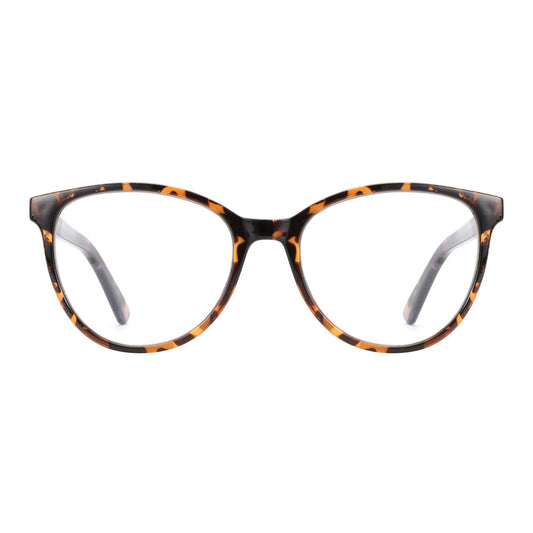
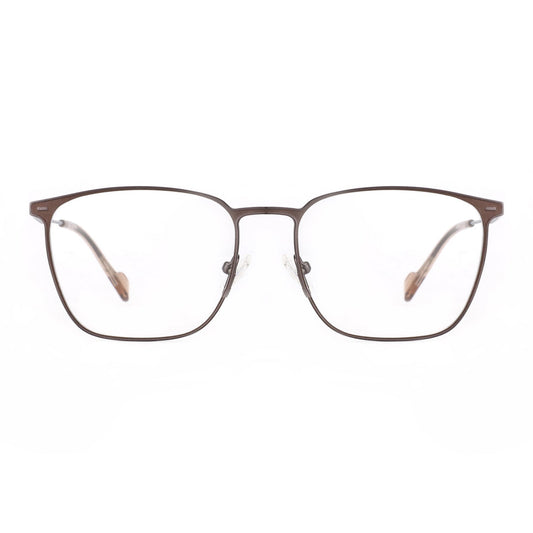
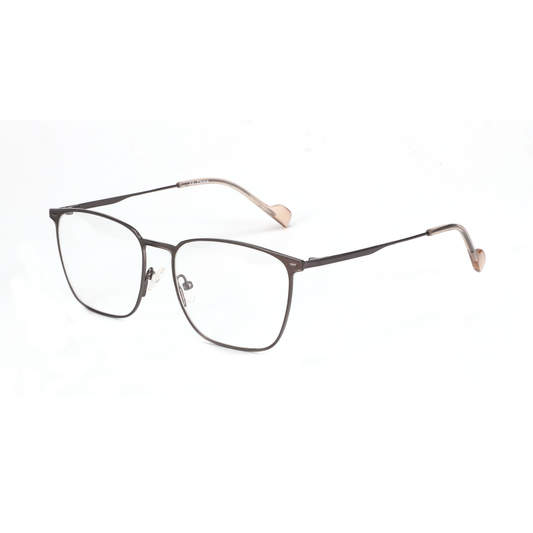
Zenottic offers several stylish frames paired with 1.74 high-index lenses at factory-direct prices. For example, the Zenottic Eyeglasses Tammy and Zenottic Eyeglasses Dempsey both support this premium lens option for those who decide the upgrade fits their needs. You can also explore the full Eyeglasses collection to find frames that pair well with thinner lenses.
Additional guidance is available in resources like When Should You Invest in High-Index Lenses for Thinner Glasses? and the Y2K rimless glasses guide for high prescriptions.
Final Thoughts on Choosing 1.74 Lenses
The 1.74 high-index upgrade can provide meaningful improvements in lens thinness and lightness for stronger prescriptions, but it is not the right choice for everyone. The decision should rest on your specific prescription, frame selection, and how much you value the cosmetic and comfort benefits relative to the added cost.
By focusing on practical thresholds around -6.00D and considering how your frames will display the lenses, you can make a confident choice that avoids both under- and over-spending. Remember that coatings, lens design, and proper fitting often influence daily satisfaction more than index number alone.
This article discusses lens comfort, appearance, and setup considerations only. It does not constitute medical advice, diagnosis, or treatment. If you experience persistent discomfort, vision changes, or have existing eye conditions, consult a qualified eye care professional.
Take time to compare options in your actual prescription and preferred styles. With the right combination of index, frame, and coatings, high-prescription glasses can look modern, feel comfortable, and deliver clear vision without unnecessary expense.
