



The Ultimate Guide to Frame Selection for Strong Prescriptions
Having a strong prescription of -6.00 or higher no longer means you must settle for bulky, obvious lenses. By pairing advanced 1.74 high-index lenses with carefully chosen frames, you can achieve a noticeably slimmer and more stylish look. The key lies in understanding how frame size, shape, and proper lens centering work together to minimize visible edge thickness and weight.

High-index lenses are designed for stronger prescriptions and can help reduce lens thickness and weight compared with standard plastic lenses. Yet lens thickness depends on more than lens index, including prescription strength, frame dimensions, and how the lenses are fitted and centered. Selecting the right frame geometry is therefore essential for the best cosmetic outcome.
Why Frame Choice Matters More Than Most People Realize
Many high-prescription wearers focus solely on lens index while overlooking frame geometry. The Vision Council Dispensing Guide emphasizes that frame dimensions influence the final lens thickness and appearance. A frame that is too large or poorly proportioned can counteract much of the slimming benefit provided by 1.74 high-index material.
Smaller, more compact frames usually help strong minus prescriptions look less thick than oversized frames. This happens because the lens diameter determines how much edge thickness is exposed. Accurate lens centering also matters because decentration can affect both optics and the finished lens appearance.
The right frame can help make stronger prescriptions look slimmer and more balanced, though it cannot eliminate thickness entirely. Realistic expectations are important: high-index lenses can improve the cosmetic profile of strong prescriptions, but results still vary by prescription power, frame size, and fitting details.

Understanding Lens Thickness Factors for Strong Prescriptions
Lens thickness results from the interaction of several variables. Prescription strength is the primary driver for minus lenses, where higher negative powers increase edge thickness. Frame eye size directly affects the lens blank diameter needed, and larger eyes require more material at the periphery.
Pupillary distance (PD) and frame bridge width influence decentration. When the optical center must be shifted significantly, the lens profile can become thicker and more prone to distortion on one side. Base curve selection and lens design also play supporting roles, but frame geometry remains one of the most controllable factors for consumers.
As this official guidance from the American Academy of Ophthalmology explains, proper frame selection helps achieve better visual correction and comfort. For prescriptions around -6.00 and stronger, prioritizing compact dimensions often delivers more noticeable improvement than index alone.
Frame Size Guidelines That Actually Reduce Visible Thickness
Eye size is the most impactful measurement. Frames with eye sizes under 50mm generally produce slimmer results for strong minus prescriptions compared with 54mm or larger. The total lens width, including the bridge, should allow the optical centers to align closely with your pupils without excessive decentration.
Vertex distance and frame tilt also affect the effective power and thickness. A frame that sits closer to the face typically requires less lens material for the same prescription. When shopping online, measure your current glasses or use virtual try-on tools to estimate how new frames will sit.
This Dispensing Guide from The Vision Council provides practical advice on guiding frame selection to improve both function and appearance.
Illustrative Relative Lens Thickness by Frame Type and Prescription
Modeled relative visible thickness for high-index 1.74 lenses at stronger prescriptions. Lower values indicate thinner visible edge profile; values are illustrative, not measured.
View chart data
| Category | -6.00D | -8.00D | -10.00D | -12.00D |
|---|---|---|---|---|
| Small round/oval | 1.8 | 2.2 | 2.7 | 3.2 |
| Compact rectangular | 2.4 | 2.9 | 3.5 | 4.1 |
| Medium rectangular | 3.1 | 3.7 | 4.4 | 5.2 |
| Large round/oval | 4.0 | 4.8 | 5.6 | 6.5 |
| Oversized square | 4.8 | 5.7 | 6.6 | 7.6 |
Heuristic illustrative model based on optical guidance that smaller, more compact frames reduce visible edge thickness and that thickness penalties increase with stronger minus prescriptions and greater decentration. Values are relative index units, not measurements.
The chart above illustrates relative visible edge thickness trends. Smaller round or oval frames consistently show lower values across prescription strengths, while oversized designs increase rapidly. These are heuristic values to show directional trends only.
Best and Worst Frame Shapes for -6.00 and Stronger Prescriptions
Round and oval shapes often perform well because they minimize the maximum lens width. Compact rectangular frames can also succeed when the overall dimensions stay small. These shapes distribute thickness more evenly and reduce the “coke bottle” effect at the edges.
Square and angular designs become more challenging as prescriptions climb because corners emphasize any remaining edge thickness. Oversized or fashion-forward wide frames almost always increase visible bulk, even with 1.74 high-index lenses.
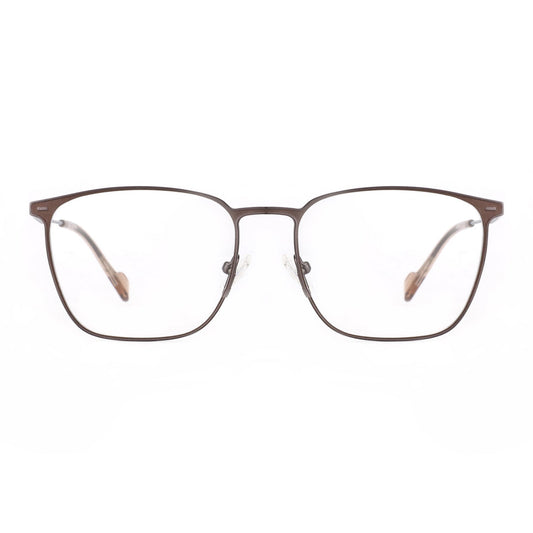
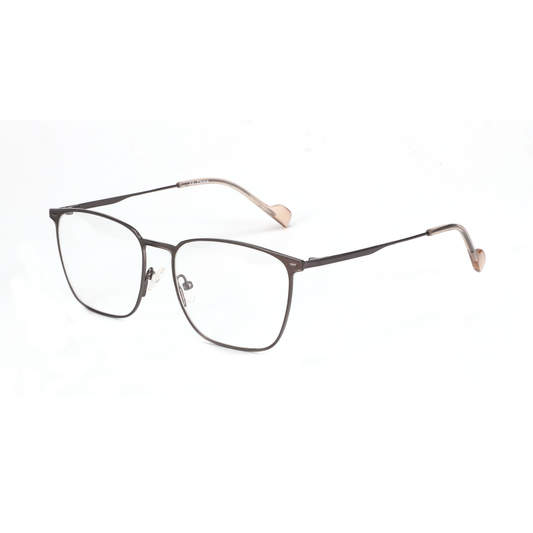
For metal frames, the thinner rim profile can help hide edge thickness better than thick acetate. However, acetate may camouflage minor imperfections through deeper grooves. The trade-off is that bold acetate can make the entire pair appear heavier.
Our Ultimate Face Shape Guide offers additional tips on matching frames to facial geometry while keeping optical performance in mind.
Common Myths About High-Prescription Frames
Several myths continue to mislead shoppers. One common belief is that any small frame automatically solves thickness problems. In reality, poor fit or excessive decentration can cancel the benefit of a compact size.
Another myth suggests high-index lenses alone make thickness irrelevant. High-index lenses are commonly used to achieve a thinner, lighter result, yet they do not eliminate all bulk for every wearer. Frame geometry and professional fitting remain critical.
Many also assume frame shape makes no difference. In practice, shape affects how thickness appears and how evenly weight is distributed across the face. Ignoring these factors often leads to regret after purchase.
Hidden Tradeoffs When Choosing Slim-Looking Frames
Smaller frames deliver thinner-looking lenses but can limit style variety and sometimes concentrate pressure on the nose or temples. High-index materials reduce weight, yet the final comfort still depends on frame balance and proper adjustment.
Fashion preferences may push toward larger silhouettes that work against optical slimness. In these cases, you must weigh appearance against practicality. Nose marks from heavy glasses are a frequent complaint; switching to lightweight frames and high-index lenses often helps, as detailed in our guide on preventing red marks on your nose.
Practical Buying Checklist for Strong Prescriptions
Follow this checklist to make better decisions:
- Measure or estimate your eye size preference (under 50mm ideal for strong minus).
- Check that the frame bridge allows good pupil centering with minimal decentration.
- Prioritize compact round, oval, or rectangular shapes over oversized square designs.
- Consider metal or thin-rimmed styles to minimize visible edge emphasis.
- Verify the retailer offers accurate PD measurement and professional lens centering.
- Pair your choice with 1.74 high-index lenses for the best combination of thinness and lightness.
- Test fit virtually or in-store to confirm comfort and balance.
For strong prescriptions, the best results usually come from balancing style with compact frame geometry and accurate fitting.
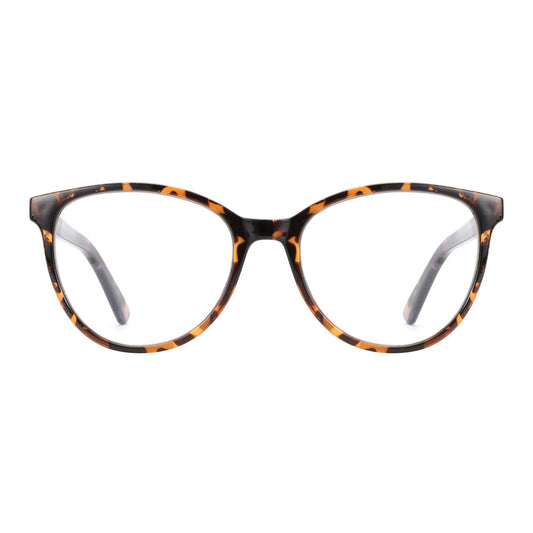
Zenottic offers several frame options optimized for high prescriptions. Explore our acetate frames collection or semi-rimless glasses for lightweight designs that work well with 1.74 lenses. Models like the Zenottic Eyeglasses Bess and Zenottic Eyeglasses Tobey provide stylish options that prioritize slim profiles.
Important Comfort and Health Considerations
This article discusses comfort and setup advice for eyewear selection. It does not constitute medical advice, diagnosis, or treatment. Frame and lens choices affect perceived thickness and weight but cannot replace professional eye care. If you experience persistent discomfort, headaches, or changes in vision, consult a qualified optometrist or ophthalmologist.
Results depend heavily on your exact prescription, pupillary distance, facial features, and the quality of lens fabrication. Always work with reputable providers who measure accurately and use proper centering techniques.
Final Thoughts on Achieving a Slimmer Look
Strong prescriptions do not have to mean obvious, heavy-looking glasses. By choosing compact frames, ensuring accurate lens centering, and using high-index materials such as 1.74, you can enjoy improved cosmetics and comfort. The combination of smart frame geometry and modern lens technology delivers the most satisfying outcome.
Remember that the best frame is one that fits your face well, aligns with your lifestyle, and respects the optical realities of your prescription. Take time to compare options, use measurement tools, and read return policies before committing. With the right approach, you can look and feel confident in your eyewear every day.
Learn more about lens options in our comparison of 1.67 vs 1.74 high-index lenses or explore when to invest in high-index solutions with our dedicated guide.
Disclaimer: Individual results vary. This guide provides general information based on optical principles and should be used alongside professional advice from your eye care provider.
