



70s Retro Eyewear: Styling the Vintage Aesthetic in 2025
Summary
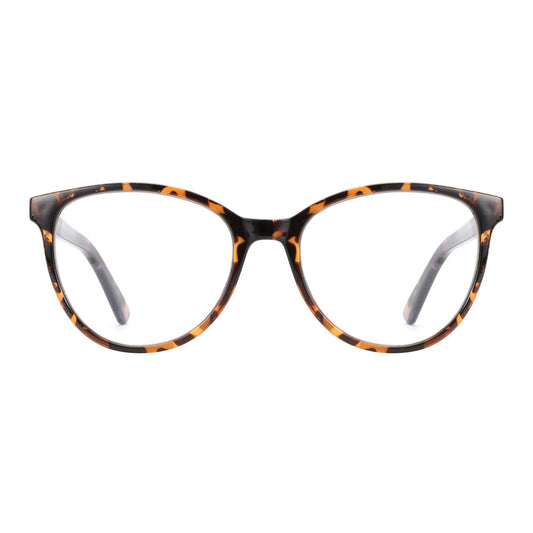
The 1970s retro eyewear aesthetic has firmly re-established itself as a dominant fashion force in 2025, moving beyond mere nostalgia into a versatile staple of the modern capsule wardrobe. This revival emphasizes proportional oversizing, warm amber-toned tortoiseshells, and bold geometric acetate frames that balance vintage flair with contemporary lens technology. By focusing on high-quality materials and precise fitting standards, fashion-forward individuals can leverage these statement pieces to transform their daily look without compromising on optical performance or comfort.
Key takeaways
- Proportional Oversizing: 2025 trends favor frames that are intentionally large but scaled to modern facial structures, ensuring a bold look that remains flattering.
- Warm Color Palettes: Amber-dominant tortoiseshell and honey-hued acetates have replaced cooler tones, offering greater versatility across diverse skin tones and seasonal wardrobes.
- Material Excellence: High-quality acetate construction provides the structural integrity needed for thick, geometric 70s designs while maintaining a lightweight feel.
- Modern Lens Integration: Today's retro frames are compatible with advanced lens technologies, including high-index materials and blue light filtering, meeting ANSI Z80.1-2025 standards.
- Styling Versatility: 70s eyewear acts as a "wardrobe effect" catalyst, allowing users to rotate multiple pairs as fashion accessories rather than static medical devices.
The Resurgence of 70s Eyewear: Why Retro is Trending in 2025
The cyclical nature of fashion has brought us back to the expressive freedom of the 1970s, but with a refined, 2025 sensibility. Unlike previous revivals that leaned into "costume" territory, today's retro eyewear trend is grounded in the "Wardrobe Effect"—the psychological shift where glasses are viewed as essential fashion accessories. This movement is driven by a desire for individuality in an era of minimalist "quiet luxury." A bold pair of 70s-inspired frames provides an immediate focal point, allowing even the most basic outfit to feel curated and intentional.
Furthermore, the accessibility of high-quality manufacturing has democratized these once-exclusive luxury looks. Brands like Zenottic have bridged the gap, offering the thick-rimmed acetates and intricate metalwork characteristic of the era at price points that encourage experimentation. This accessibility allows consumers to own a "collection" of eyewear, matching different retro silhouettes to specific moods or occasions, much like one would with shoes or handbags.
Identifying the Core 70s Silhouettes: Aviators, Geometrics, and Oversized Frames
To master the 70s aesthetic, one must first recognize the three pillars of the era's design language. First are the oversized aviators. While aviators originated as functional military gear, the 70s transformed them into a glamourous fashion statement. In 2025, look for double-bridge designs with slightly squared-off bottoms, which offer a more modern edge than the traditional teardrop shape. You can find a variety of these in our guide to aviator sunglasses styles.
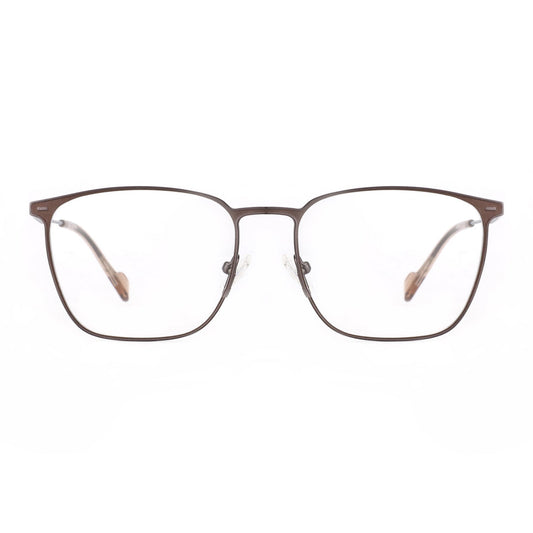
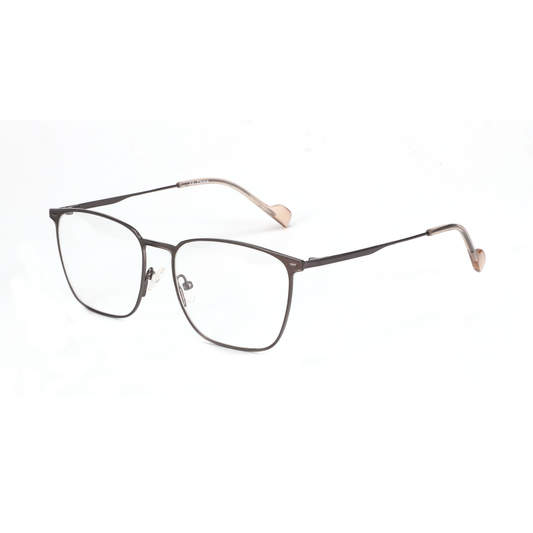
Second, the geometric acetate frames represent the era's fascination with bold, architectural lines. Hexagonal, octagonal, and exaggerated rectangular shapes provide a "sculpted" look that frames the face with authority. These frames often feature "proportional oversizing"—a technique where the frame is large enough to be a statement but doesn't overwhelm the wearer's features. To see how these shapes translate into modern wear, you can explore geometric sunglasses that utilize contemporary manufacturing techniques.
Finally, the oversized round and square frames continue to be a hallmark of the "boho-chic" subculture. These frames often utilize warm, translucent materials that soften the large proportions. When selecting these, the key is to ensure the bridge fits securely to prevent the frames from resting on your cheeks. For those looking for maximum impact, you can browse oversized sunglasses collection to find the right balance of scale and comfort.

How to Choose the Right 70s Frames for Your Face Shape
Selecting 70s-inspired eyewear requires a more nuanced approach than standard frame selection because the proportions are inherently more dramatic. The goal is to create "visual harmony" rather than perfect symmetry. For instance, if you have a round face, the soft curves of oversized 70s circles might exaggerate your features; instead, opt for the sharp angles of a geometric or squared-off aviator to provide definition.
Conversely, those with heart-shaped or angular faces can benefit from the softened edges of oversized 70s frames, which help balance a wider forehead or a sharp jawline. Understanding how to choose retro frames for your face shape is essential for ensuring that your statement glasses don't become a distraction.
Logic Summary: These recommendations are based on traditional optical styling principles adapted for the extreme proportions of 70s eyewear. While these rules of thumb work for most, personal style and confidence can often override "standard" fit rules, especially in the context of high-fashion retro looks.
| Face Shape | Recommended 70s Style | Why it Works |
|---|---|---|
| Round | Geometric Rectangles / Square Aviators | Adds structure and lengthens the face profile. |
| Oval | Almost any (Oversized Round is a classic) | Ovals can handle the widest variety of proportions. |
| Square | Oversized Round / Softened Aviators | Softens strong jawlines and adds vertical balance. |
| Heart | Bottom-heavy Aviators / Cat-eye hybrids | Balances a wider forehead with visual weight at the bottom. |
Material Matters: The Shift Toward Bold Acetate and Amber Tones
The "feel" of 70s eyewear is just as important as the shape. In 2025, the industry has seen a significant shift toward high-quality acetate. Unlike cheap injected plastics, acetate is a plant-based material that offers deep, rich colors and can be polished to a high luster. It also allows for the "layering" of colors, which is how the iconic 70s tortoiseshell patterns are achieved.
Interestingly, the color palette for 2025 has moved away from the dark, muddy browns of the past toward "amber-dominant" tones. These warmer, honey-like hues are more translucent, allowing light to pass through the frame and brighten the wearer's face. This makes them exceptionally versatile across different skin tones. For a deeper look at how color impacts your overall aesthetic, refer to our guide to choosing retro color palettes.
When you view acetate frame collection, pay attention to the thickness of the temples and the bridge. Authentic 70s-inspired designs often feature a "beefier" construction, which not only looks more premium but also provides better durability for those who wear their glasses daily.

Styling Formulas: Integrating Vintage Frames into a Modern Capsule Wardrobe
The biggest challenge with 70s eyewear is making it look like a choice, not a costume. The most effective way to do this is by integrating these frames into a modern capsule wardrobe. A capsule wardrobe focuses on high-quality, neutral basics that can be mixed and matched. In this context, your 70s frames become the "pop" of personality.
The "Modern Minimalist" Formula
Pair a crisp white button-down, high-waisted denim, and a neutral trench coat with oversized amber aviators. The glasses provide the vintage soul, while the clean lines of the outfit keep the look firmly in the present.
The "Textured Professional" Formula
Combine a charcoal turtleneck with a tailored blazer and geometric acetate frames. The thickness of the frames complements the weight of the knitwear, creating a look that is both intellectual and fashion-forward.
The "Weekend Boho" Formula
For a more relaxed vibe, pair a floral maxi dress or a suede jacket with oversized round frames. To keep it from looking too "flower child," choose frames with modern metallic accents or a polished finish.
Logic Summary: These formulas assume a baseline of neutral or classic clothing. If your wardrobe is already highly colorful or pattern-heavy, you may want to opt for 70s frames in a more translucent or "crystal" acetate to avoid visual clutter.
Technical Standards and Lens Quality: Beyond the Aesthetic
While the look of 70s eyewear is the primary draw, the technical performance of the lenses should never be an afterthought. Modern retro frames must meet rigorous safety and clarity standards. In 2025, any reputable eyewear should comply with ANSI Z80.1-2025 (for prescription lenses) and ISO 12311 (for sunglasses), ensuring that the lenses provide accurate vision correction and adequate UV protection.
For those with higher prescriptions, oversized 70s frames can present a challenge: lens thickness. This is where high-index materials become crucial. As detailed in our Technical Guide to High-Index Lens Materials and Standards, using MR™ series polymers (like 1.61 or 1.67) can significantly reduce the weight and edge thickness of lenses in large frames. This guide explains how the relationship between refractive index and Abbe value affects optical clarity, ensuring that your vintage-style glasses are as functional as they are fashionable.
Additionally, many 70s-style frames are now being fitted with photochromic lenses (lenses that darken in sunlight). This is a perfect marriage of 70s "tinted lens" aesthetics with 21st-century convenience. You get the cool, retro wash of color indoors and full sun protection outdoors without having to switch pairs.
Checklist: Finding Your Perfect 70s-Inspired Pair
Before you make your purchase, use this checklist to ensure your new frames meet both your style and functional needs:
- [ ] Proportional Fit: Do the frames sit comfortably on your face without sliding down or resting on your cheeks when you smile?
- [ ] Bridge Stability: Does the bridge (the part over your nose) feel secure? Oversized frames are heavier and require a good fit here.
- [ ] Lens Material: If you have a high prescription, have you selected a high-index lens to keep the frames lightweight?
- [ ] Color Harmony: Does the frame color (e.g., amber, tortoiseshell, honey) complement your skin's undertones?
- [ ] UV Protection: If buying sunglasses, are the lenses rated for 100% UVA/UVB protection?
- [ ] Temple Length: Are the arms long enough to hook comfortably behind your ears without pinching?
FAQ
Are 70s-style oversized glasses still in style for 2026? Yes, the 70s retro trend is projected to remain a staple through 2026 and beyond. The focus has shifted from "fast fashion" replicas to high-quality, "heritage" designs that emphasize material quality and proportional fit. This longevity is supported by the "Wardrobe Effect," where consumers treat eyewear as a long-term fashion investment rather than a fleeting trend.
Can I get 70s retro frames with a high prescription? Absolutely. While oversized frames naturally result in thicker lenses, modern high-index materials (1.61, 1.67, and 1.74) allow for significantly thinner and lighter lenses. It is recommended to consult a technical guide to understand which material best suits your diopter range to ensure the best aesthetic and optical result.
What is the difference between "vintage" and "retro" eyewear? "Vintage" typically refers to authentic frames produced during the actual 1970s, which may require restoration and may not meet modern safety standards. "Retro" refers to new frames designed with vintage aesthetics but manufactured using modern materials and technologies, such as advanced acetates and high-performance lenses that meet current ANSI and ISO standards.
How do I prevent oversized 70s frames from sliding down my nose? The key is ensuring a proper bridge fit. Many 70s-style frames come with different bridge widths or adjustable nose pads. If you have a lower nose bridge, look for "Asian Fit" or "Universal Fit" options that provide extra support. Additionally, ensuring the temple arms are correctly adjusted behind your ears will help distribute the weight of the larger frames.
Are amber-toned lenses better for certain lighting conditions? Amber and brown tints are excellent for enhancing contrast and depth perception, making them ideal for driving or outdoor activities in variable light. They filter out blue light more effectively than grey lenses, which can reduce eye strain during prolonged outdoor use. However, for true color perception, grey lenses remain the industry standard.
Do 70s geometric frames work for professional environments? Yes, when styled correctly. To wear bold geometric frames in a professional setting, choose neutral colors like black, dark tortoiseshell, or translucent grey. Pair them with structured clothing like blazers or tailored shirts to create a look that is "creatively professional" rather than purely casual.
References
Government / Standards / Regulators
- ANSI Z80.1-2025: Ophthalmic Optics - Prescription Spectacle Lenses
- ISO 12311:2013: Personal protective equipment — Test methods for sunglasses and related eyewear
Industry Associations / Research Institutes
- The Vision Council: Consumer Trends and Market Research Reports
- Optical Industry Association (OIA): Eyewear Material Sustainability Reports
Platform Official Docs & Policies
Community (Intent Only)
- Reddit r/Eyewear: Discussion on 70s Retro Trends and Fit Advice (Intent only; not authoritative)
- Fashion Forums: Styling Oversized Frames in 2025 (Intent only; not authoritative)
