





Night Vision Glasses for Low Light Driving and Contrast
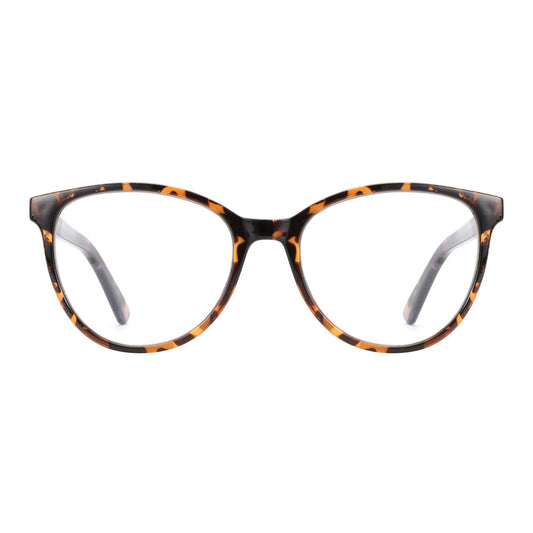
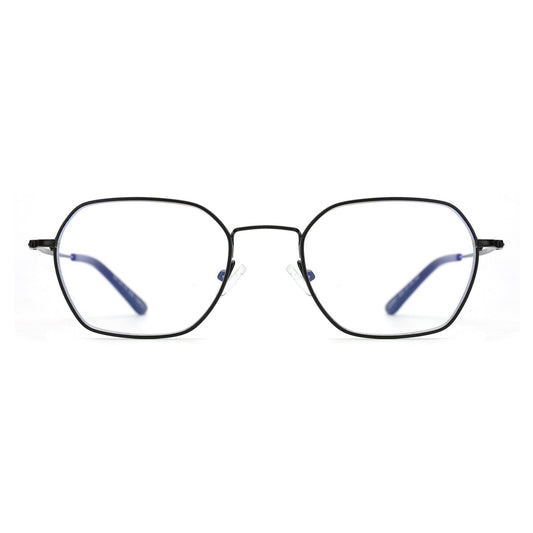
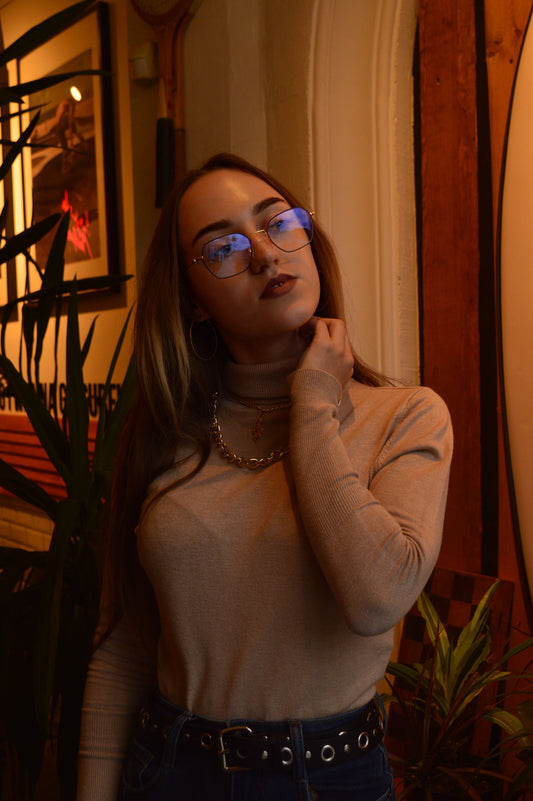
Night vision glasses are designed to improve contrast and reduce glare in low light rather than to darken bright sun. The yellow tint is intended to enhance edge definition under streetlights and headlights, helping drivers distinguish lane markings and signs when natural light is limited. At Zenottic, night vision glasses pair this contrast focused tint with lightweight frames for comfortable evening commutes and indoor low light use.
Unlike daytime polarized lenses that target strong reflected glare, night focused tints prioritize clarity in dim conditions and are not designed for bright sun. Many wearers keep a dedicated pair for dusk and night driving while using polarized options for daytime.
What Defines Night Vision Glasses and Lens Options
Models in this collection share construction features that support low light contrast while maintaining a stable fit for driving.
- Lens tint : yellow tint designed for low light contrast, enhancing edge definition under artificial lighting
- Frame materials : TR90, TR90 and carbon fiber, metal and plastic blends for lightweight stability during extended wear
- Coating : scratch resistant or UV protection coating on verified models, with lens construction focused on clarity rather than dark sun filtering
- Fit range : verified examples include lens width 58 to 60 millimeters, bridge 16 to 18 millimeters and temple length 140 to 145 millimeters, covering medium to wide fits
- Everyday frame : the Philip frame with TR90 and wide coverage shows a 60 millimeter width and 18 millimeter bridge for stable road vision
The same lightweight approach appears in the Legend frame with TR90 and carbon fiber with a 58 millimeter width and 145 millimeter temple, illustrating how low light tints pair with durable frames for evening commutes. For dusk driving, the night driving glasses guide for glare and contrast summarizes when yellow tints help most.
Choosing Night Vision Glasses for Driving and Low Light Use
For dusk driving, prioritize yellow tints that lift contrast without adding dark density, and consider bridge fit for stable road vision.
Daytime and low light needs are best kept separate. For bright sun, daytime filtering remains the priority, while for dim conditions contrast and reduced headlight glare take precedence.
- For night driving : choose yellow tints with a 58 to 60 millimeter width for stable coverage and improved edge definition
- For indoor low light : lightweight TR90 with yellow tint can be suitable for extended evening tasks where contrast matters
- For bright day use : switch to polarized sunglasses for daytime glare reduction rather than relying on night focused tints
- For everyday sun protection : compare UV protection options for daylight to select appropriate filtering
To compare coatings, see the night driving glasses vs anti reflective coatings comparison alongside all Zenottic sunglasses for daylight UV protection.
Find Your Night Vision Glasses at Zenottic
Browse this collection by lens width, bridge and tint to match how you drive at dusk and in low light. Whether you need a wide 60 millimeter TR90 pair for maximum road coverage or a compact build for city streets, you can refine by fit and coating without switching to a separate family. Start from your preferred fit, then select a yellow contrast tint suited to your most frequent low light environment.
