



Acetate vs. Metal vs. TR90: Choosing the Best Frame Material
Choosing eyeglass frame material comes down to balancing your priorities for daily comfort, style preferences, and how you use your glasses. Acetate offers rich colors and a substantial look that many fashion-conscious wearers love, metal delivers a slim classic profile with good strength, and TR90 stands out for being exceptionally lightweight and flexible. The right choice depends heavily on your facial structure, lifestyle, and whether you value appearance, minimal weight, or resilience against bending.

Acetate, metal, and TR90 each bring distinct characteristics that affect weight, durability, flexibility, and overall wearability. Understanding these differences helps you avoid common regrets like nose pressure from heavy frames, frames that bend out of shape, or styles that don't match your daily routine. This guide breaks down the practical trade-offs so you can select frames that feel good and look right for years of use.
What Are the Main Eyeglass Frame Materials?
Eyeglass frame materials vary in how they balance style, weight, flexibility, and everyday durability. Acetate is a cellulose-based plastic known for its premium feel and design versatility. Metal frames, often made from stainless steel, titanium, or alloys, provide a refined and minimalist aesthetic. TR90, a type of nylon-based thermoplastic, is engineered for lightness and spring-like flexibility.
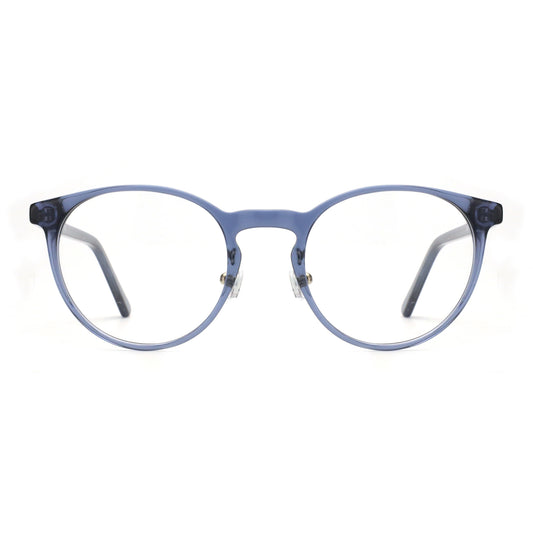
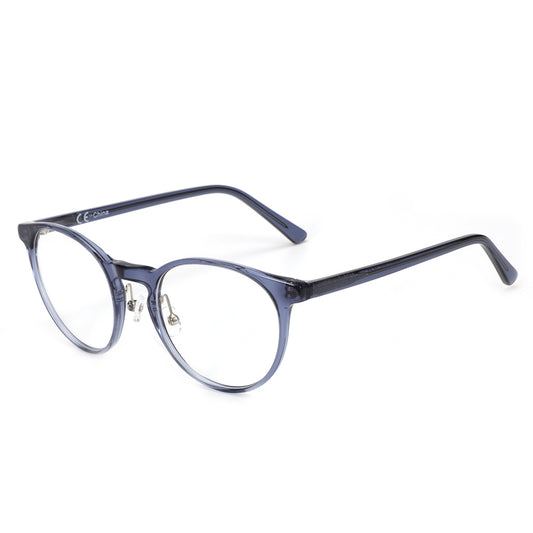
These materials are not interchangeable. Acetate tends to feel more substantial, metal offers precision and thin profiles, and TR90 prioritizes comfort for extended wear. Construction quality, hinge design, and proper fit play equally important roles in real-world performance, so material is only one part of the decision.

Acetate Frames: Style and Substance
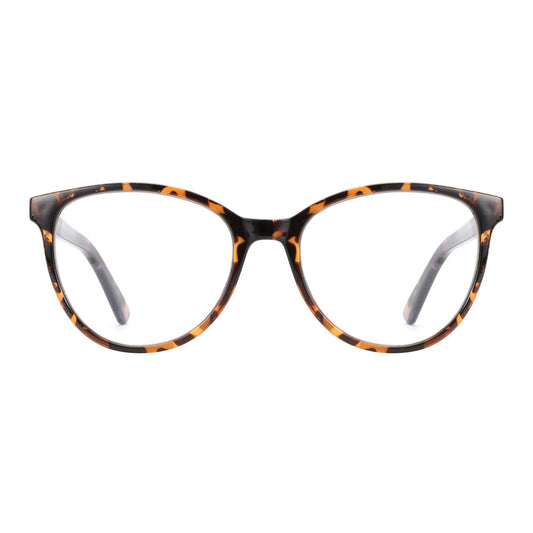
Acetate frames are often chosen when style, color variety, and a more substantial look matter more than minimal weight. This material can be handcrafted into bold shapes, layered colors, and unique patterns that plastic alternatives rarely match. Many wearers appreciate the warm, matte or glossy finishes that develop character over time.
On the practical side, acetate is relatively rigid compared to TR90. It can feel heavier on the face, especially in thicker designs, which may lead to nose pad impressions during long hours of wear. Durability is good when the frames are well-made, but acetate can become brittle in extreme cold or crack if dropped repeatedly. Adjustments are possible but require professional heating tools in most cases.
Acetate works particularly well for those who want their glasses to make a fashion statement. Its versatility in color and shape makes it popular for both prescription eyeglasses and sunglasses. However, if you have an active lifestyle or prefer the lightest possible frames, acetate may not be the first choice.
Metal Frames: Classic Strength and Precision
Metal frames are often selected for a slimmer, classic look. Stainless steel and titanium versions deliver clean lines, thin profiles, and a professional appearance that pairs well with business or everyday attire. Metal can be hypoallergenic when using titanium or special coatings, though this depends on the specific alloy and finish.
These frames tend to be more resistant to bending than acetate in many designs, though they can still deform under strong pressure. The slim construction helps reduce overall weight in well-engineered pairs, but some metal frames without proper nose pads can create localized pressure points. Spring hinges are frequently paired with metal to improve comfort and reduce temple pinch.
Maintenance is generally straightforward—metal resists scratches better than acetate in some scenarios but can show wear on the plating over years of use. Many users find metal frames easy to adjust at temples and nose pads for a customized fit. They represent a safe, timeless option when you want reliability without flashy colors.
TR90 Frames: Lightweight Flexibility for Everyday Wear
TR90 is commonly marketed as a lightweight, flexible frame option for everyday wear. Made from a high-performance thermoplastic, it offers excellent impact resistance and the ability to flex back into shape after twisting or bending. This makes TR90 especially suitable for active users, children, or anyone who has experienced broken or deformed frames in the past.
The standout benefit is reduced facial pressure. TR90 frames typically weigh significantly less than acetate equivalents, which can make all-day wear more comfortable and decrease the chance of red marks on the nose. The material's natural flexibility also helps with a secure yet gentle fit across different face shapes.
Style options for TR90 have improved dramatically, but they still tend to favor sporty or modern designs rather than the intricate patterns possible with acetate. Color choices are broad yet lack the depth and layering seen in premium acetate. If you prioritize comfort and resilience over bold fashion statements, TR90 often delivers the best daily experience.
Side-by-Side Comparison of Key Attributes
Comfort and durability depend on both the frame material and the quality of the frame's construction and fit. Here's an illustrative view of how the materials tend to perform across important factors. These are relative heuristic scores (1-10 scale) based on common user experiences and material properties, not laboratory measurements.
Eyeglass Frame Materials: Illustrative Trade-off Comparison
Illustrative comparison of frame-material trade-offs; higher scores indicate more of the named attribute.
View chart data
| Series | Weight | Durability | Flexibility | Style versatility | Cost advantage |
|---|---|---|---|---|---|
| Acetate | 4.0 | 7.0 | 5.0 | 9.0 | 5.0 |
| Metal | 6.0 | 8.0 | 4.0 | 7.0 | 6.0 |
| TR90 | 9.0 | 7.0 | 9.0 | 6.0 | 8.0 |
Illustrative heuristic scores only, derived from article context: acetate emphasized for style/color, metal for classic/slim look, and TR90 for lightweight and flexibility. Scores are bounded relative judgments (1-10), not measured specifications or test results.
The radar chart shows clear patterns: TR90 leads in weight and flexibility, acetate dominates style versatility, and metal offers balanced durability and classic appeal. Remember these are tendencies—individual frame design and quality can shift real performance significantly.
Common Myths About Frame Materials
Several misconceptions circulate about glasses frame materials. One frequent claim is that metal frames are always more durable than plastic ones. In reality, high-quality TR90 often resists breaking better than thin metal that can bend permanently. Another myth suggests acetate is universally comfortable; heavier acetate designs can actually cause more nose pressure than lightweight TR90 or titanium.
Many assume all “plastic” frames are the same, but acetate is a specific premium material distinct from basic injected plastics. Claims that one material is universally best ignore the importance of proper fit and hinge quality. The best frame material depends on fit, facial structure, and how you wear your glasses day to day.
How to Choose the Right Material for Your Needs
The best frame material depends on fit, facial structure, and how you wear your glasses day to day. Consider these practical checkpoints before purchasing:
- All-day office or screen work: Prioritize lightweight options like TR90 or titanium metal to reduce fatigue and nose marks. Check our guide on how to prevent red marks on your nose from heavy glasses.
- Fashion and color expression: Choose acetate for its broad palette and premium textures. Explore our acetate frames collection.
- Active lifestyle or kids: TR90 or flexible metal with spring hinges offers the best resilience. Read more about spring hinges and comfort.
- Classic professional look: Slim metal frames provide timeless style with good adjustability.
- Previous breakage issues: Opt for TR90's flexibility or reinforced metal designs.
Test fit carefully—frames should sit level, with even contact at the nose and temples without pinching. If you experience discomfort, professional adjustment or a different material may help. Our article on how glasses should fit provides detailed guidance.
Care and Longevity Tips
Proper care extends the life of any material. Clean frames regularly with mild soap and water rather than harsh chemicals. Store glasses in a hard case when not wearing them to prevent bending or scratches. Avoid leaving acetate frames in hot cars, as heat can cause warping. For metal frames, check screws periodically to keep them tight.
If your frames become crooked, safe at-home adjustments are possible for minor issues. Follow our tutorial on how to adjust crooked glasses frames at home safely.
Final Recommendation
No single material wins for everyone. Acetate suits those who want standout style, metal appeals to fans of classic slim profiles, and TR90 excels for lightweight all-day comfort and flexibility. Evaluate your daily routine, face shape, and priorities, then try different options through virtual try-on or in-person fitting when possible.
This article discusses comfort and setup considerations for eyewear frames. It does not constitute medical advice, diagnosis, or treatment. Frame comfort is highly individual and depends on proper fit. If you experience persistent discomfort, headaches, or vision issues, consult a qualified eye care professional.
Consider browsing our selection of eyeglasses to find quality frames in acetate, metal, and TR90 designs that match your needs.
