



Are Blue Light Glasses Worth It in 2026? A Guide for Gamers
Blue light glasses can be a worthwhile optional accessory for some gamers in 2026, particularly those doing late-night sessions who want to reduce evening blue light exposure that may affect sleep timing. However, they are not a proven fix for digital eye strain or fatigue during gaming, according to eye care organizations and systematic reviews. Most gamers will see better results from taking regular breaks, optimizing their setup, and maintaining good screen habits than from relying on the lenses alone.

Understanding Digital Eye Strain in Gaming
Digital eye strain is a recognized issue for people who spend long hours in front of screens. Common symptoms include dryness, headaches, blurred vision, and a general feeling of fatigue. These problems are especially prevalent among gamers during extended competitive or immersive sessions.
As this guide from SUNY College of Optometry explains, digital eye strain is a recognized screen-use problem, and the 20-20-20 rule is a common preventive habit. The rule recommends looking at something 20 feet away for 20 seconds every 20 minutes.
Long screen sessions commonly trigger eyestrain, headaches, and dry eyes, and practical fixes include breaks and lighting changes. Evidence does not show that blue-light filtering glasses reliably reduce these symptoms for most users, so they should be viewed as one possible tool rather than the primary solution.
What the Research Says About Blue Light Glasses in 2026
Skepticism around blue light glasses remains strong. A leading eye care organization states that evidence does not show blue-light filtering glasses reliably reduce digital eye strain for most users.

A systematic review found blue-light filtering lenses may not reduce eye-strain symptoms from computer use in the short term. While some newer studies suggest possible benefits with long-term use, the overall evidence remains mixed and does not support broad claims of effectiveness for gaming fatigue.
For sleep concerns, the picture is slightly different. Late-night screen light can make it harder to fall asleep, so blue-light filtering is more defensible for evening use than for daytime eye strain. Blue-light filtering may make more sense for evening light exposure and sleep timing than for daytime screen-fatigue relief.
Eye-care guidance generally treats blue-light glasses as optional, not essential, for screen comfort. This distinction is important for gamers who often play in the evening or late at night.
When Blue Light Glasses May Be Worth It for Gamers
The value of blue light glasses depends heavily on your specific situation. They are not universally effective, but they can provide subjective comfort or support sleep routines in certain scenarios.
Here is a heuristic comparison of relative value across common gamer use cases. This chart is illustrative only and based on evidence boundaries rather than clinical measurements.
Relative Value of Blue Light Glasses by Gaming Scenario
Heuristic comparison only; not absolute effectiveness or medical evidence.
View chart data
| Category | Relative value (heuristic) |
|---|---|
| Late-night gaming near bedtime | 78.0 |
| Late-night gaming without sleep issues | 34.0 |
| Competitive daytime play | 26.0 |
| Daytime deep work | 22.0 |
Illustrative, evidence-bounded scenario scoring only. Higher values reflect stronger relative fit where evening/sleep-related concerns are more plausible; lower values reflect weaker fit where evidence for eye-strain relief or daytime benefit is limited. Not study data; prioritize habits and 20-20-20 first.
This chart shows a heuristic, evidence-bounded estimate of when blue light glasses are more or less worth considering. The strongest relative case is for late-night gaming near bedtime, while daytime use and non-sleep-related scenarios score lower. It is not study data and should be read alongside habit-first strategies such as 20-20-20 breaks.
For late-night gaming sessions that run close to bedtime, blue light glasses may help reduce exposure to light that affects circadian rhythms. In competitive play or daytime deep work, however, they offer limited advantages compared to proper ergonomics and regular breaks.
Common Myths About Gaming Glasses
Many gamers encounter exaggerated claims when researching blue light glasses. Here are two prevalent myths corrected with current evidence.
Myth: Blue light glasses will stop gaming eye strain.
Reality: They should not be presented as a dependable fix for short-term strain during play. For most gamers, the evidence is weaker for eye-strain relief than the marketing suggests. Treat them as an optional comfort accessory, not a proven performance or vision solution.
Myth: If you game at night, blue light glasses are automatically the right answer.
Reality: The sleep-related use case is different from the eye-strain claim. They make more sense when the goal is reducing evening light exposure for sleep routines, not when the promise is immediate relief from gaming fatigue.
These corrections help set realistic expectations. Blue light is relevant to sleep and vision science, but filtering it is not the same as solving screen fatigue.
How to Choose Gaming Glasses That Actually Help
If you decide to try blue light glasses, focus on quality and fit rather than high filter percentages alone. Not all lenses perform the same, and cheap options may deliver little actual benefit.
Look for lenses with a modest tint that does not distort colors too much, especially important for competitive gaming where accurate color perception matters. Anti-reflective coatings can reduce glare more effectively than blue light filters in many setups.
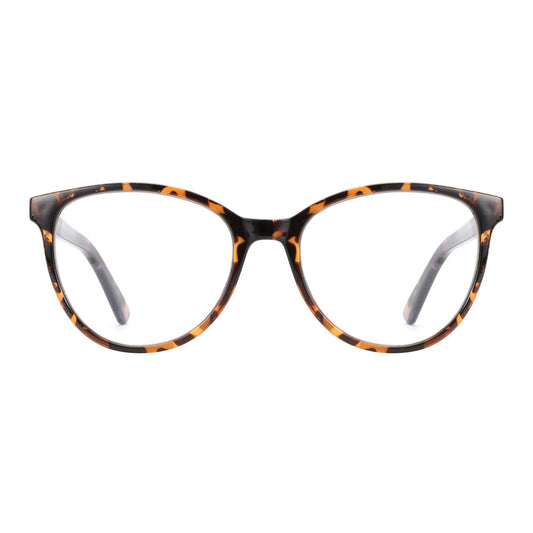
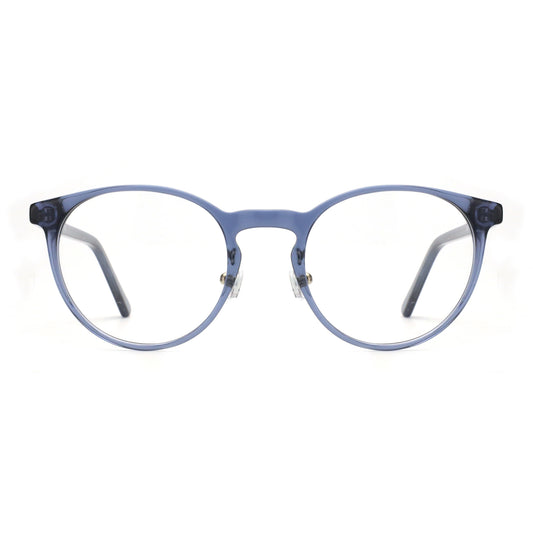
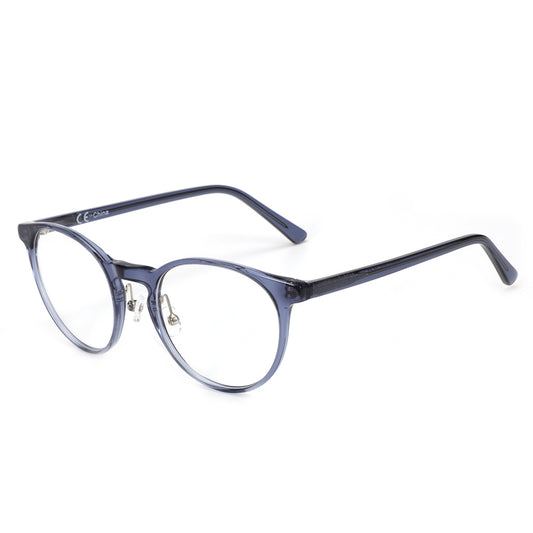
Consider your frame style and comfort for long sessions. Lightweight frames with adjustable features work well for extended wear. Our guide on how to choose blue light blocking glasses offers practical tips on lens tints, filter levels, and frame fit.
Budget-conscious gamers should compare options carefully. Premium gaming glasses from specialized brands often cost more without delivering proportionally better results for strain relief. Check return policies since individual comfort is subjective.
Before buying, audit your current setup. Ensure your prescription is up to date if you need vision correction, adjust monitor brightness and height, and improve room lighting to reduce contrast.
Practical Checklist: What Gamers Should Do First
Instead of jumping straight to buying glasses, follow this checklist for better screen comfort:
- Follow the 20-20-20 rule consistently during long sessions.
- Adjust your monitor to eye level and about an arm's length away.
- Reduce screen brightness and enable night mode or warmer color temperatures in the evening.
- Take short physical breaks to blink fully and look into the distance.
- Optimize your room lighting to minimize glare from windows or lamps.
- Stay hydrated and consider using artificial tears if dryness is an issue.
For most people, these behavioral changes deliver more noticeable improvements than lenses alone. Only after implementing these habits should you evaluate whether blue light glasses provide additional personal benefit.
Are They Worth Buying in 2026?
Blue light glasses may feel more comfortable for some gamers during evening sessions, but they depend heavily on room conditions, individual sensitivity, and expectations. They are not a guaranteed solution for digital eye strain during gaming or long screen sessions.
If your primary goal is protecting sleep quality after late-night gaming, they can be a reasonable investment. For pure daytime strain relief or competitive performance, they are often not worth the cost compared to proven habits and setup improvements.
This article only discusses comfort and setup advice. It does not constitute medical advice, diagnosis, or treatment. If you experience persistent discomfort or have existing eye conditions, consult qualified eye care professionals.
Consider your specific gaming patterns and try non-lens solutions first. Many gamers find that combining better habits with occasional use of blue light glasses gives the best balance without unnecessary expense.
Related internal resources:
