



Are Photochromic Lenses Worth It for Commuters in 2026?
For many hybrid workers and daily commuters in 2026, the hassle of carrying separate prescription sunglasses alongside regular glasses makes photochromic lenses an appealing option. Modern photochromic lenses can adapt to changing light conditions without requiring a swap, but their real-world performance depends heavily on your specific commute patterns, driving habits, and expectations around transition speed and glare control. They may feel more convenient in mixed indoor-outdoor environments but often fall short as a complete replacement for dedicated sunglasses when driving is a major part of your day.

How Photochromic Lenses Work in 2026
Photochromic lenses, also known as transition lenses, are designed to darken automatically when exposed to ultraviolet (UV) light and return to clear indoors. This technology has improved over the years with faster activation times and better color options, but the fundamental mechanism remains tied to UV exposure. As a result, performance can vary significantly based on the amount of UV that actually reaches the lens surface.
In everyday commuting, this means the lenses typically perform best during walking, public transit waits, or outdoor breaks where direct sunlight is present. However, factors like weather, time of day, and vehicle glass can limit how effectively they tint. For high-prescription wearers, these lenses are often paired with high-index materials such as 1.74 to keep the glasses lightweight and thin, which adds to their practical appeal for those who already prioritize comfort and reduced edge thickness.
Many commuters appreciate the one-pair simplicity, especially when juggling laptops, coffee, and transit schedules. Yet the convenience comes with trade-offs that become more noticeable in certain scenarios.
Do Photochromic Lenses Work Well in Cars?
One of the most common questions from drivers is whether photochromic lenses provide reliable glare protection behind the wheel. In many vehicles, standard windshields block a significant portion of UV light, which can prevent the lenses from darkening fully. This limitation means that photochromic lenses may remain lighter than expected during commutes, offering less sun protection than many users anticipate.
For those who drive frequently, this reduced performance can make the lenses feel less effective compared to polarized prescription sunglasses. While some newer 2026 formulations aim to improve in-car activation, most standard photochromic options still perform best in direct outdoor UV rather than filtered environments. If glare while driving is your primary concern, separate prescription sunglasses often deliver more consistent results.
This doesn't mean photochromic lenses are useless for drivers—it simply highlights that their value depends on your overall routine. Commuters who combine short drives with longer outdoor segments may still benefit, but those spending most daylight hours in a car might find the added cost less justifiable.

Performance During Rapid Indoor-to-Outdoor Transitions
Hybrid workers often move quickly between offices, meetings, and outdoor spaces throughout the day. Here, photochromic lenses can reduce the need to switch eyewear, but the adaptation speed may not always match the pace of your commute. In mixed lighting or shaded areas, the lenses can take longer to reach full tint or clear up completely, sometimes feeling slower than simply swapping to dedicated sunglasses.
Real-world results vary by lens quality, material, and current light conditions. Premium options tend to offer quicker transitions and more neutral tints, making them better suited for urban environments with frequent changes. For public transit users or walkers who spend time in varying light, this adaptability can be genuinely helpful and reduce the clutter of carrying multiple pairs.
However, if your day involves many brief outdoor stops where instant full tint is important, the delay can become noticeable. In these cases, the convenience of photochromic lenses may not fully offset the predictability of separate clear and tinted options.
Photochromic Lenses for High-Prescription Commuters
High-prescription wearers often face added challenges with bulk and weight, making the one-pair solution of photochromic lenses particularly attractive. Pairing photochromic technology with 1.74 high-index lenses can deliver thinner, lighter glasses that are easier to wear all day. This combination helps minimize edge thickness and improves overall comfort, especially for those who have switched from contact lenses due to fatigue.
That said, not every high-index material works equally well with every photochromic coating. Compatibility, cost, and optical clarity should be checked carefully when ordering online. For strong prescriptions, the convenience of not carrying extra sunglasses can outweigh minor performance inconsistencies, but only if your commute aligns with the lenses' strengths.
If you regularly need high-index options, consider frames that complement thinner lenses to further reduce any visible thickness at the edges. This approach helps maintain a stylish look while addressing practical commuting needs.
Photochromic Lenses vs. Carrying Separate Prescription Sunglasses
The core comparison for most commuters comes down to convenience versus reliability. Photochromic lenses eliminate the need for a second pair, which is a major plus for travelers or anyone with limited bag space. They can simplify your routine during walking segments, transit rides, and office-to-outdoor transitions.
Separate prescription sunglasses, on the other hand, usually provide stronger, more immediate glare protection—especially in cars—and deliver consistent performance regardless of UV filtering. For drivers or glare-sensitive users, this reliability often makes the extra pair worth carrying despite the inconvenience.
Ultimately, neither option is universally superior. The choice depends on how much time you spend driving versus walking, how often you transition between environments, and whether you prioritize simplicity or peak sun performance. Many commuters find a hybrid approach works best: photochromic lenses for daily wear and a dedicated pair for longer drives or vacations.
Here is a heuristic visualization of how different lens choices suit common commuting scenarios. These are illustrative relative scores (1-10) based on typical UV-dependent photochromic behavior, not laboratory measurements.
Heuristic Suitability for Commuters 2026
Heuristic suitability comparison for commuter lens choices
View chart data
| Category | Photochromic lenses | Separate Rx sunglasses | Clear lenses |
|---|---|---|---|
| Driving-heavy commute | 3.0 | 6.0 | 4.0 |
| Walking/transit commute | 8.0 | 4.0 | 3.0 |
| Frequent indoor-outdoor transitions | 5.0 | 3.0 | 8.0 |
| High-prescription convenience | 7.0 | 2.0 | 4.0 |
Illustrative 1-10 heuristic suitability scores synthesized from the article context and reverse-recommendation framing: photochromic lenses are UV-dependent, often darken poorly behind car windshields, transition more slowly than swapping eyewear, and are most attractive for hybrid indoor-outdoor walking/transit and high-Rx convenience; separate Rx sunglasses are stronger for glare and driving; clear lenses are the baseline for indoor comfort. Scores are bounded, relative, and not measured data.
When Photochromic Lenses Are Worth It for Commuters
Photochromic lenses tend to offer the best value when your commute involves frequent movement between indoor and outdoor spaces on foot or public transit, you have a high prescription and prefer one lightweight pair, and you value convenience enough to accept some variability in tinting. In these cases, the ability to adapt without swapping glasses can genuinely simplify your day.
They are usually less ideal if most of your sun exposure happens while driving, you need fast and predictable glare control, or you are on a tight budget where the premium for photochromic coatings may not pay off through reduced need for a second pair. In driving-heavy routines, separate prescription sunglasses often provide more dependable performance.
To decide for your own situation, consider these checkpoints:
- Track how much of your commute occurs in direct sunlight versus inside a car.
- Note how often you make quick indoor-outdoor transitions and whether a few seconds of adjustment would bother you.
- Calculate the total cost of photochromic lenses versus a standard pair plus affordable sunglasses.
- Test compatibility with your prescription strength and preferred frame style.
- Think about lifestyle factors like travel frequency and bag space.
For high-prescription users, resources on ordering safely online can help avoid common mistakes when adding coatings. Understanding when 1.74 high-index lenses are actually worth the upgrade is also useful if thickness and weight matter to you.
Practical Buying Advice for 2026
When shopping for photochromic lenses, prioritize quality coatings that offer fast activation and good color neutrality. Look for options compatible with high-index materials if your prescription is strong. Many retailers now offer 20% discounts on lens upgrades, making premium features more accessible.
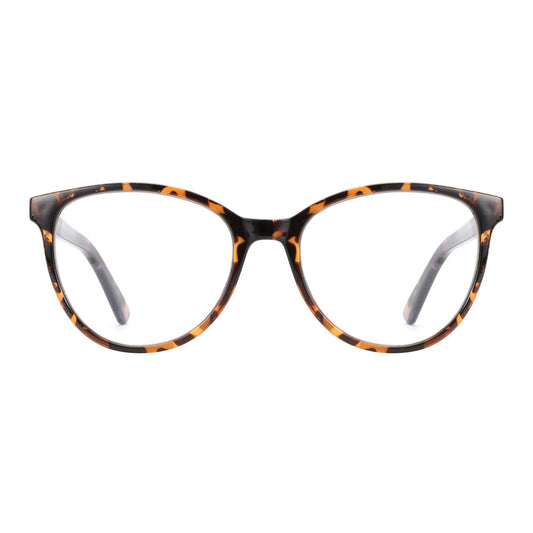
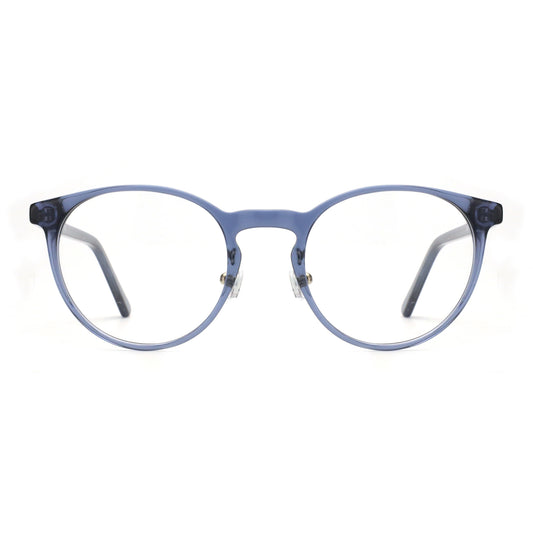
Consider pairing your lenses with versatile frames that work for both professional and casual settings. Styles like the Werner or Catherine can provide a modern look while accommodating advanced lens technology. For those exploring other smart eyewear trends, smart audio glasses in 2026 offer another perspective on tech-enhanced commuting gear.
Remember that this article discusses comfort and setup considerations for daily use. It does not constitute medical advice, diagnosis, or treatment. If you experience persistent eye discomfort or have existing vision conditions, consult a qualified eye care professional.
In summary, photochromic lenses can be worth the investment for commuters whose routines emphasize walking, transit, and frequent light changes, particularly those with high prescriptions who want to travel light. For driving-focused users or those seeking maximum reliability, separate prescription sunglasses may still be the more practical choice. Evaluate your specific commute patterns before deciding—the right option depends on where and how you spend your time on the road and in the office.
