



Best Glasses for Big Heads: Finding the Perfect Wide Frame
If your glasses constantly pinch at the temples, leave marks, or look too small on your face, you're not alone. Many people with wider heads struggle to find frames that feel balanced and comfortable all day. The solution usually comes down to understanding key measurements and choosing styles that actually provide enough width across the front, bridge, and temples rather than relying on marketing labels like "oversized." Wide rectangular frames often work well for broader faces when the numbers match your needs, but the real test is how the frame sits in real life.

Understanding Eyeglass Frame Measurements
Glasses are usually sized by lens width, bridge width, and temple length. These three numbers appear on most frames, often printed on the inside of the temple arm. As this official VA guide to selecting frames explains, paying attention to these dimensions helps avoid frames that are too narrow or too short for your face.
Lens width measures each individual lens, typically ranging from 48mm to 58mm in adult frames. Bridge width is the distance between the lenses and affects how the frame rests on your nose. Temple length runs from the hinge to the ear tip and influences side pressure and stability.
For wider faces or larger heads, look for balanced measurements that prevent squeezing or slipping. Community discussions frequently highlight frustration with standard sizes that still feel restrictive despite being labeled large, underscoring why checking actual specs matters more than style names.
Here is a quick screening guide to help you evaluate frames:
Eyeglass Frame Size Screening Guide for a Wider Head
Heuristic screening only: use these ranges to spot likely wide-fit frames, not to guarantee comfort.
View chart data
| Category | Lens width (mm) | Bridge width (mm) | Temple length (mm) | Total frame width (mm) |
|---|---|---|---|---|
| Narrow | 50.0 | 14.0 | 140.0 | 132.0 |
| Medium | 52.0 | 16.0 | 145.0 | 140.0 |
| Wide | 54.0 | 18.0 | 150.0 | 146.0 |
Illustrative screening ranges based on VA.gov-style sizing cues and common fit complaints: lens width about 54 mm+, bridge above 18 mm, temple length at least 145 mm, and total frame width around 140 mm+ as a wide-fit signal. Values are normalized into three fit zones for quick reading and are not exact-fit measurements.
These ranges serve as a heuristic screening tool. Frames falling into the Wide zone across most measurements are more likely to suit larger heads, but individual face shape and personal tolerance still matter.

Optometric guidance treats proper frame fit as an important part of eyewear dispensing, so taking time to review measurements before buying reduces the risk of returns or discomfort.
Common Myths About Glasses for Big Heads
Several misconceptions can lead to disappointing purchases. One widespread myth is that any frame labeled "oversized" automatically delivers a comfortable fit. In reality, wide-looking frames can still pinch at the temples or slide on the nose if the bridge or temple dimensions do not match your face.
Another assumption is that width alone solves every fit issue. Bridge width and temple length often prove more decisive than overall style. Editorial eyewear guides often recommend wide rectangular frames for broader faces because they provide horizontal room without extreme proportions, yet shape is secondary to actual measurements.
Community discussions reveal persistent demand for extra-wide options, with many users reporting that standard frames still feel too tight. Treating these experiences as signals rather than guarantees helps set realistic expectations.
Best Frame Styles for Wider Faces
Wide rectangular frames frequently appear in recommendations for people with larger heads. Their straight lines and broader lens area create visual balance and reduce the squeezed appearance common with narrower shapes. Square or softly angular designs can also work well, provided the measurements support them.
For men seeking comfortable glasses for large heads, styles with 54mm+ lens widths and longer temples tend to look proportional. Women with broader faces often prefer similar wide frames that maintain feminine softness through rounded corners or balanced height.
Prescription users should consider how lens size affects weight. High prescriptions benefit from frames that keep lens area moderate while still offering sufficient width. Lightweight materials and thoughtful design help here.
How to Choose the Right Wide Frame for Your Needs
The best choice depends on your specific situation. For broader or rounder faces, prioritize balanced lens width and moderate height so the frame does not overwhelm your features. More square or jaw-heavy faces may suit softer lines within a wide frame to avoid harsh angles.
High-prescription wearers should focus on stable bridge fit and lighter materials to manage added lens weight. Daily office or screen use calls for all-day comfort features such as even weight distribution and temples that avoid pressure. Active lifestyles benefit from secure, non-slip designs with durable hinges.
Bridge width above 18mm and temple length of 145mm or longer often signal better suitability for wider heads, but always cross-check against your current glasses that fit reasonably well. Many frames now offer spring hinges that add flexibility and reduce pinching, making them worth considering for long-term comfort.
Our guide on how glasses should fit provides additional tips on proper positioning, nose pad adjustment, and what to look for in everyday wear.
Practical Checklist Before You Buy
Use this checklist when comparing wide frame glasses online:
- Measure your current comfortable pair (or have your face width roughly measured) and compare specs.
- Verify lens width around 54mm or more, bridge over 18mm, and temples at least 145mm.
- Check total frame width near 140mm+ as a quick filter.
- Confirm the style (rectangular often works well) suits your face shape without looking disproportionate.
- Look for adjustable nose pads or spring hinges if you wear glasses for long periods.
- Read return policies carefully, as fit can only be fully judged when worn.
This approach helps first-time online buyers and those replacing uncomfortable frames avoid common regrets.
Frame Options Worth Considering
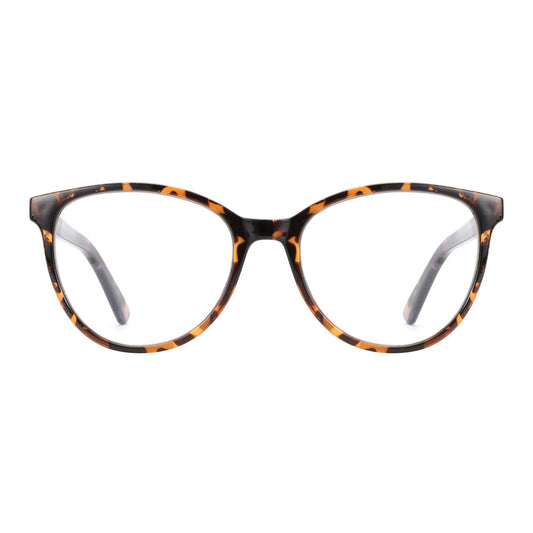
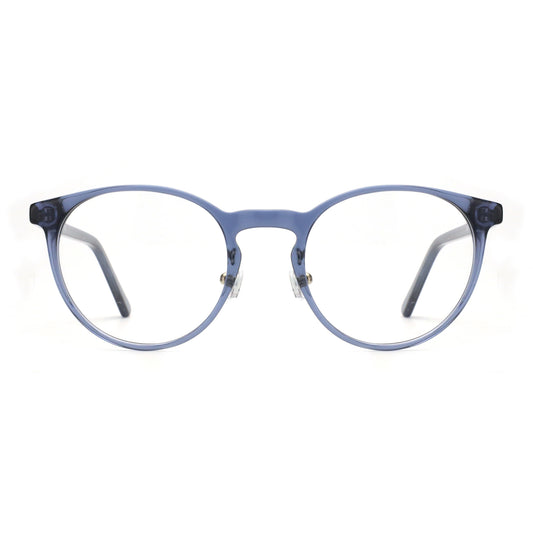
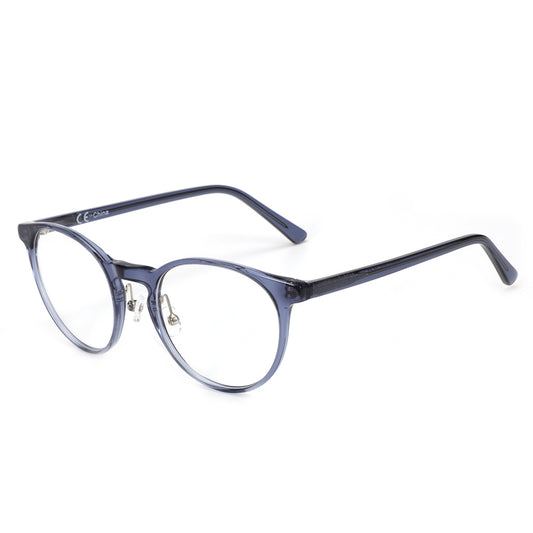
Several designs in the Zenottic collection offer generous proportions suitable for wider faces. The Zenottic Eyeglasses Pablo features a big frame design with high-index lens compatibility, making it practical for stronger prescriptions while maintaining a stylish oversized look.
Other square and modern styles like the Kerwin or Tyrone provide lightweight construction with durable hinges that support comfortable all-day wear. These frames balance width with refined details that avoid appearing bulky.
For those exploring larger silhouettes, the oversized sunglasses collections can inspire similar proportions in prescription options, though prioritize optical-specific frames for daily vision correction.
Final Tips for Comfortable Wear
Even the best wide frame glasses may need minor adjustments. Our article on how to adjust crooked glasses frames at home walks through safe reshaping techniques. Similarly, if you experience nose marks, review tips for preventing red marks from heavy glasses by selecting lighter options or adjusting pads.
Comfort and fit disclaimer: This article discusses setup and sizing advice for eyewear. It does not constitute medical advice, diagnosis, or treatment. Frame comfort depends on individual facial anatomy, prescription, and personal preference. If you experience persistent discomfort, headaches, or have existing eye conditions, consult a qualified eye care professional.
Finding glasses for big heads ultimately requires matching measurements to your face rather than chasing trends. By focusing on bridge width, temple length, and proportional styles, most people with wider faces can locate frames that feel secure and look flattering without pressure or slipping. Take time to compare specs, use virtual try-on tools when available, and prioritize fit over fashion alone for the best long-term results.
This measured approach reduces wasted spending and delivers the everyday comfort that standard frames often fail to provide.
