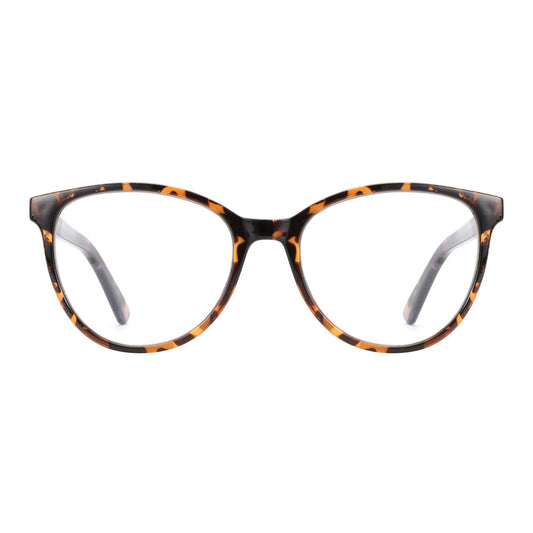

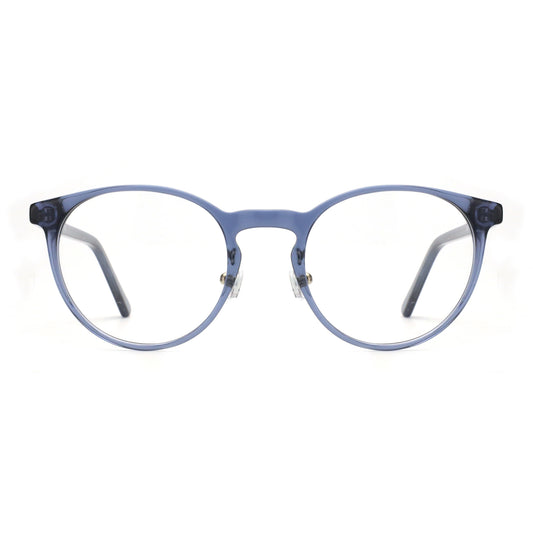
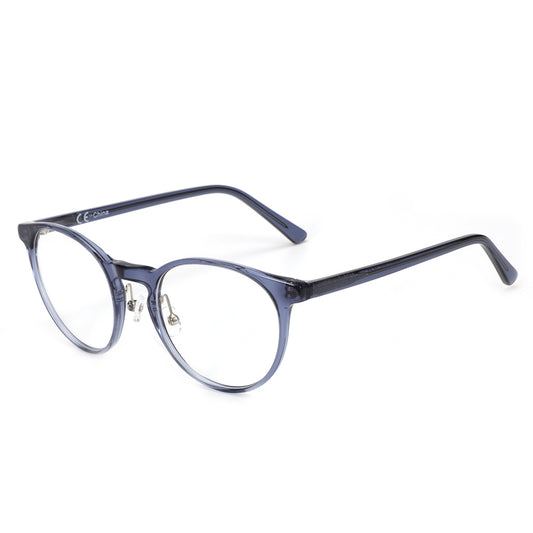


Best Glasses for Low Bridge Fit: Comfort for Flat Noses
Summary
Low bridge fit eyewear is a specialized frame design featuring higher nose pads and adjusted frame angles to provide a stable, comfortable fit for individuals with lower nasal bridges or prominent cheekbones. By 2026, these technical refinements ensure that eyewear stays securely in place without sliding down the nose or resting on the cheeks, regardless of facial structure. This engineering approach, once a niche category, has evolved into a universal standard for inclusive design, allowing for optimal optical alignment and long-term wearing comfort.
Key takeaways
- Technical Precision: Low bridge frames feature nose pads that are 3-8mm higher and a bridge width that is 4-10mm wider than standard fits to prevent slipping.
- Optical Alignment: Reduced pantoscopic tilt (0-5°) ensures the lenses remain parallel to the face, preventing visual distortion and cheek contact.
- Material Matters: Utilizing high-index materials like the MR™ series polymers can significantly reduce lens weight, which is critical for maintaining a stable fit on lower bridges.
- Self-Measurement: Understanding your nasal projection and cheekbone height is essential for selecting the correct frame geometry beyond simple aesthetic preference.
- Modern Standards: Current 2026 manufacturing follows updated ANSI Z80.1-2025 standards to ensure optical centers are perfectly aligned with the wearer's pupillary distance.
What is Low Bridge Fit and Why Does It Matter?
For many years, the eyewear industry operated on a "one size fits most" philosophy that often left individuals with specific facial structures—such as lower nasal bridges, wider faces, or higher cheekbones—struggling with frames that constantly slipped down or caused discomfort. Low bridge fit eyewear, often referred to in the past as "Asian Fit," was developed to address these specific anatomical needs. However, as we look at the global landscape in 2026, it is clear that this fit is not exclusive to any single ethnicity. Anthropometric data suggests that a significant portion of the population across various backgrounds benefits from these specialized adjustments.
When glasses do not fit correctly, it isn't just a matter of vanity or minor annoyance; it is a fundamental issue of optical performance and long-term comfort. A proper glasses fitting guide emphasizes that the optical center of the lens must align precisely with your pupils. If your frames are constantly sliding down your nose, your vision is effectively being filtered through the wrong part of the lens, which can lead to eye strain, headaches, and reduced visual clarity. Furthermore, the constant need to push glasses back up can cause skin irritation and even lead to permanent indentations on the nose bridge over time.

How to Identify if You Need Low Bridge Fit
Determining whether you require a low bridge fit involves more than just noticing your glasses sliding. It requires a basic understanding of your facial anatomy. If you find that your current frames often rest on your cheeks when you smile, or if the bridge of the frame sits directly on the skin of your nose rather than being supported by nose pads, you are likely a candidate for low bridge engineering.
The Self-Measurement Framework
To move beyond guesswork, you can perform a simple assessment at home. This "Search Engine for Faces" approach helps you identify the specific parameters that will dictate your comfort.
- Bridge Height Assessment: Look in the mirror and identify where the bridge of your nose starts in relation to your pupils. If the "nasion" (the deepest part of the bridge) is at or below the level of your pupils, a low bridge fit is recommended.
- Cheekbone Prominence: Place a flat ruler against your cheekbone and see how far it extends toward your eyes. If your cheekbones are higher or more prominent, standard frames will likely "bottom out" and rest on your skin, causing fogging and discomfort.
- Nasal Projection: Measure how far your nose extends from your face. A lower projection requires deeper, more substantial nose pads to create the necessary clearance between the frame and your face.
- Temple Width: Measure the distance between your temples. Many low bridge wearers also have wider facial structures, requiring frames with a broader "temple-to-temple" measurement to avoid pinching.
Logic Summary: These measurements are heuristics designed to help users identify fit issues before purchasing. While not a replacement for a professional 3D facial scan, they provide a reliable baseline for 90% of users. These rules of thumb may not apply to individuals with significant facial asymmetry or those who have recently undergone rhinoplasty, where specific medical guidance on frame pressure is required.
The Technical Anatomy of Low Bridge Eyewear
The transition from a standard fit to a low bridge fit involves several coordinated engineering changes. It is not simply about adding larger pads; it is a holistic redesign of the frame's geometry. In 2026, precision manufacturing allows for these adjustments to be integrated seamlessly into the frame's aesthetic, so the technical enhancements are nearly invisible to the casual observer.

1. Enhanced Nose Pad Geometry
In a standard frame, nose pads are often shallow and sit close to the frame rim. Low bridge fit frames utilize pads that are 3-8mm higher. This extra height lifts the frame off the face, ensuring the bridge of the nose provides the primary support. Furthermore, the angle of these pads is often more acute—typically between 25 and 35 degrees—to "grip" the sides of a flatter bridge more effectively. This prevents the "pinch" that occurs when standard pads only make contact at a single point, distributing the weight more evenly across the nasal bone.
2. Reduced Pantoscopic Tilt
Pantoscopic tilt is the vertical angle at which the lenses sit relative to your face. Standard frames usually have a tilt of 8-12 degrees, which assumes a prominent nose bridge to hold the top of the frame away from the forehead. For those with lower bridges, this steep angle causes the bottom of the frames to hit the cheeks, leading to skin irritation and lens fogging. Low bridge fit frames reduce this tilt to 0-5 degrees, keeping the lenses parallel to the face. This adjustment is critical for maintaining the correct vertex distance—the space between the back of the lens and the front of your eye—which directly affects how your prescription performs.
3. Adjusted Frame Curvature and Hinge Design
Many modern frames have a "wrap" or curvature designed to follow the contour of the face. If this curve is too aggressive, it will pinch the temples or rub against the outer edges of the face. Low bridge designs often feature a flatter front profile (a lower "base curve") to accommodate wider facial structures without sacrificing style. Additionally, high-quality low bridge frames often incorporate spring hinges or flexible temple materials that allow the frames to expand slightly at the temples, reducing pressure on the sides of the head and preventing the "headache" effect common with tight-fitting standard frames.
4. Temple Length and Ear Hook Positioning
A frequently overlooked aspect of low bridge fit is the temple length. Because the frames sit further forward on the face due to the larger nose pads, the temples must be slightly longer or have a more adjustable "drop" (the part that hooks behind the ear). This ensures that the weight is balanced properly between the nose and the ears, preventing the glasses from feeling front-heavy. In 2026, many frames feature "adjustable-core" temples that allow for a custom bend to match the unique curvature of the wearer's ears.
| Feature | Standard Fit | Low Bridge Fit | Benefit |
|---|---|---|---|
| Nose Pad Height | 0mm - 2mm | 3mm - 8mm | Prevents frame from sliding and lifts lenses |
| Pantoscopic Tilt | 8° - 12° | 0° - 5° | Prevents frames from touching cheeks and fogging |
| Bridge Width | Narrow/Medium | 4mm - 10mm Wider | Accommodates flatter nasal anatomy comfortably |
| Frame Wrap | High Curvature | Flatter Profile | Reduces temple pressure and "digging" into skin |
| Temple Angle | Standard 90° | Adjusted Flare | Accommodates wider facial structures without pinching |
Material Engineering: The Secret to Fit Stability
A common SERP gap in eyewear advice is the relationship between lens material and fit stability. If you have a high prescription, the weight of your lenses can exacerbate fit issues on a low bridge. Even the best-engineered frame will struggle to stay in place if it is front-heavy due to thick, heavy lenses. In the 2026 market, we see a shift toward "weight-balanced" eyewear where the frame and lens are treated as a single system.
This is where material science becomes critical. According to the technical guide to high-index lens materials, high-index polymers like the MR™ series (1.61, 1.67, and 1.74) are designed to provide superior optical clarity while significantly reducing lens thickness and weight. For a low bridge wearer, choosing a 1.74 high-index lens can reduce the "pull" on the nose bridge by up to 30% compared to standard plastic lenses. This guide also details the chemistry of thiourethane resins, which provide the impact resistance needed for thinner lenses without the brittleness of older materials.
When considering a comparison of 1.67 vs 1.74 high-index lenses, the 1.74 option is often the superior choice for low bridge fits because it minimizes the "coke bottle" effect and keeps the center of gravity closer to the face. This prevents the glasses from tipping forward, a common issue when heavy lenses are paired with a lower bridge. Furthermore, avoiding thick coke bottle lenses with high prescriptions is not just an aesthetic choice; it is a functional requirement for maintaining the integrity of a low bridge fit over long hours of wear.
Step-by-Step Guide: Selecting Your First Low Bridge Pair
Choosing the right pair of low bridge glasses requires a systematic approach to ensure both comfort and style.
- Verify the Fit Type: Always look for the "Low Bridge Fit" or "Asian Fit" label. In 2026, many online retailers allow you to filter by "Bridge Height" or "Nose Pad Type."
- Check the Nose Pad Material: For those with very flat bridges, silicone-coated nose pads offer superior grip compared to polished acetate. If you prefer acetate frames, ensure they have "integrated" high-profile pads.
- Evaluate the Frame Weight: Opt for lightweight materials like titanium, TR90, or high-quality acetate. Avoid heavy metal alloys that can cause the frames to slide even with proper pads.
- Consider Lens Thickness: If your prescription is high, prioritize high-index lenses to keep the weight distribution balanced.
- Use Virtual Try-On Tools: Modern AI-driven virtual try-on tools can now simulate how a frame sits on your bridge and whether it touches your cheeks.
Beyond Ethnicity: The Universal Need for Inclusive Fit
One of the most significant shifts in the eyewear industry by 2026 is the move away from the term "Asian Fit" toward more descriptive, anatomical labels like "Low Bridge Fit" or "Universal Fit." This change reflects a deeper understanding of human diversity. Nasal bridge height is a continuous spectrum, and people from all backgrounds—including those of African, Mediterranean, and Indigenous descent—frequently find that standard frames do not meet their needs.
The "Search Engine for Faces" strategy at Zenottic is built on this principle of inclusivity. By focusing on the technical parameters rather than ethnic categories, we ensure that every customer can find a pair of glasses that feels like it was custom-made for their unique structure. This is particularly important for individuals who have undergone facial procedures. Rhinoplasty or facial fillers can alter the bridge height and cheekbone prominence, requiring a temporary or permanent shift in frame style. For those in a post-surgical recovery phase, low bridge fit frames offer a gentler fit that avoids pressure on sensitive areas.
Digital Life and Low Bridge Comfort in 2026
In 2026, our interaction with digital devices has reached an all-time high, and this has unexpected implications for eyewear fit. When we use smartphones or tablets, we naturally tilt our heads downward. For someone with a low bridge wearing standard frames, this movement almost always results in the glasses sliding to the tip of the nose. This "digital slide" is more than just annoying; it disrupts the focal point of your lenses.
Low bridge fit frames are specifically engineered to maintain their position during these postural shifts. By ensuring the nose pads have a secure grip and the weight is distributed evenly across the bridge and temples, these frames allow for seamless transitions between looking at a distant screen and a handheld device. This is particularly important for users of progressive lenses, where the "reading" zone of the lens must remain perfectly positioned at the bottom of the frame. If the frame slips even 5mm, the wearer may find themselves looking through the "intermediate" zone instead of the "near" zone, leading to blurry text and neck strain.
Choosing the Right Style for Your Face Shape
While technical fit is paramount, style remains a key driver in eyewear selection. A comprehensive face shape guide for finding perfect glasses can help you balance your facial proportions with the technical requirements of a low bridge fit.
- Round Faces: Look for rectangular or square frames with a low bridge fit to add definition and contrast to your features. The sharp angles of these frames help elongate the face while the low bridge fit ensures they stay high enough to avoid resting on the cheeks.
- Square Faces: Round or oval low bridge frames can soften a strong jawline while providing the necessary lift. These styles often have a more generous bridge area, making them ideal for those with lower nasal profiles.
- Heart Faces: Aviator styles or bottom-heavy frames work well, provided they have the specialized nose pad adjustments to prevent them from sliding down. The wider top of a heart-shaped face is balanced by the broader frame front often found in low bridge designs.
Once you understand your face shape and fit needs, you can confidently browse our eyeglasses collection to find a pair that marries form and function.
Common Myths About Low Bridge Fit
Despite the growing popularity of these frames, several misconceptions persist. Addressing these myths helps consumers make more informed decisions.
Myth 1: Low bridge fit glasses are only for small faces. In reality, bridge height and face width are independent variables. You can have a very wide face with a low bridge, or a narrow face with a high bridge. Low bridge fit frames come in all sizes, from petite to oversized.
Myth 2: You can just use "stick-on" silicone pads for the same effect. While adhesive pads can provide a temporary fix, they do not address the pantoscopic tilt or frame curvature issues. They also tend to peel off with sweat or skin oils. A purpose-built low bridge frame is a permanent, integrated solution that maintains the correct optical alignment.
Myth 3: Low bridge fit frames are more expensive. At Zenottic, we believe that a proper fit is a right, not a luxury. Our low bridge fit collection is priced competitively with our standard frames, ensuring that comfort is accessible to everyone.
How to Maintain Your Low Bridge Frames
To ensure your glasses continue to provide the best fit, regular maintenance is required. Because low bridge frames rely on precise angles, even a small bend in the temples can throw off the balance.
- Daily Cleaning: Use a microfiber cloth and a dedicated lens cleaner. Avoid using your shirt, as dust particles can scratch the lenses and the nose pads.
- Check the Screws: Over time, the screws in the hinges may loosen, causing the temples to flare out. A quick tighten with an optical screwdriver once a month can keep the fit snug.
- Professional Adjustments: If your frames start to feel loose, visit a local optician. They have specialized tools to safely adjust the pantoscopic tilt and temple curvature without damaging the material.
- Nose Pad Inspection: If your frames have adjustable nose pads, check that they haven't become misaligned. They should sit flush against the sides of your nose bridge.
FAQ
What exactly is a "Low Bridge Fit" in glasses? A low bridge fit refers to eyeglass frames designed for people with a lower nose bridge (where the bridge of the nose is level with or below the pupils) or higher cheekbones. These frames typically feature larger nose pads, a different lens tilt, and a wider bridge to prevent the glasses from sliding down or resting on the cheeks. In 2026, these are often considered the gold standard for "Universal Fit" eyewear.
How do I know if I have a low nose bridge? You can check this by looking in a mirror; if the bridge of your nose starts at or below your pupil line, you likely have a low bridge. Another sign is if standard glasses constantly slip down your nose or if the frames touch your cheeks when you smile or speak. If you find yourself constantly pushing your glasses up every few minutes, your bridge is likely not providing enough support for a standard frame.
Are low bridge fit glasses only for Asian people? No, while they were originally marketed as "Asian Fit," low bridge fit glasses are designed for anyone with specific facial features, including many people of African, Mediterranean, and Indigenous descent. Approximately 30-40% of the global population has a facial structure that benefits from this specialized fit. The industry has moved toward more inclusive terminology to reflect this reality.
Can I get prescription lenses in low bridge fit frames? Yes, low bridge fit frames can accommodate almost any type of prescription, including single-vision, bifocal, and progressive lenses. It is actually more important to have a proper fit with prescription lenses to ensure the optical centers remain aligned with your eyes for clear vision. This is especially true for high-index lenses which require precise alignment to minimize chromatic aberration.
Do low bridge fit glasses look different from standard glasses? From the front, they usually look identical to standard frames. The differences are primarily in the "hidden" engineering, such as the height and angle of the nose pads and the tilt of the frame front. You can enjoy the latest trends, like oversized aviators or thick acetate squares, without the discomfort of a poor fit.
Will high-index lenses help my glasses stay up on a low bridge? Yes, high-index lenses are thinner and lighter than standard lenses, which reduces the overall weight of the glasses. This lessens the downward pressure on your nose bridge, helping the frames stay in place more effectively throughout the day. For prescriptions over +/- 3.00, the difference in stability is significant.
Can I adjust my current standard glasses to fit a low bridge? While some metal frames with adjustable nose pad arms can be tweaked, plastic or acetate frames usually cannot be permanently adjusted for a low bridge fit. Attempting to bend acetate frames without professional equipment can lead to snapping. It is generally better to purchase frames specifically engineered with low bridge geometry for long-term comfort and stability.
What is pantoscopic tilt and why does it matter for me? Pantoscopic tilt is the angle of the lens front toward your cheeks. For low bridge wearers, a standard tilt (8-12 degrees) often causes the bottom of the frame to hit the cheeks. Low bridge fit frames use a reduced tilt (0-5 degrees) to keep the lenses parallel to your face, which prevents fogging and ensures the best optical performance.
References
Government / Standards / Regulators
- ANSI Z80.1-2025: Ophthalmics - Prescription Ophthalmic Lenses - Recommendations
- ISO 8980-1:2025: Ophthalmic optics - Uncut finished spectacle lenses
Platform official docs & policies
Industry associations / research institutes / market reports
- The Vision Council: 2026 Eyewear Usage and Consumer Trends Report
- Anthropometric Study of Facial Morphology in Global Populations (2024 Update)
Academic / whitepapers / labs
- Technical Guide to High-Index Lens Materials and Standards (Internal Reference)
- "The Impact of Pantoscopic Tilt on Visual Acuity in Progressive Lens Wearers," Journal of Ophthalmic Engineering, 2025.