


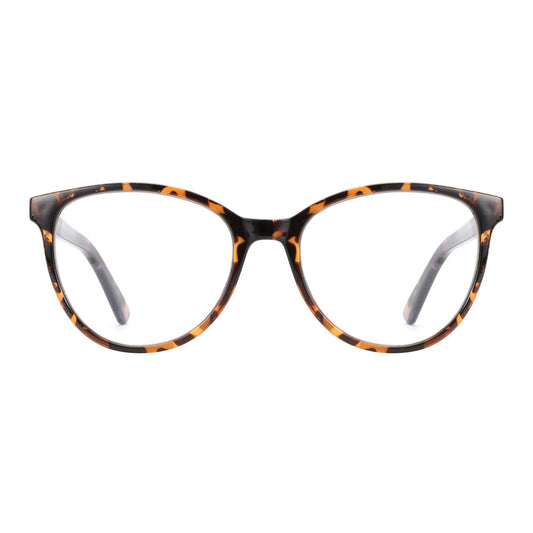

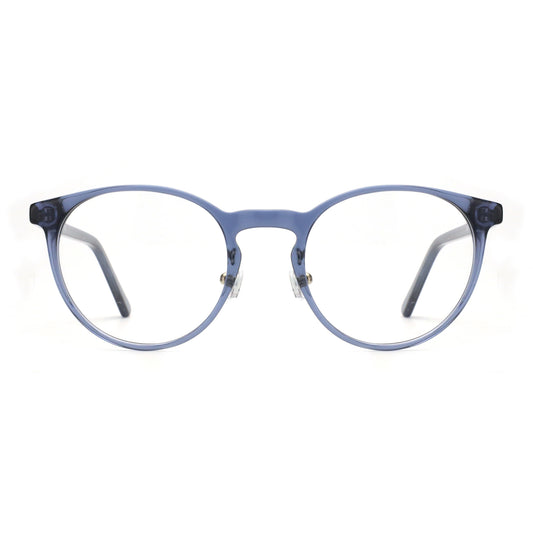
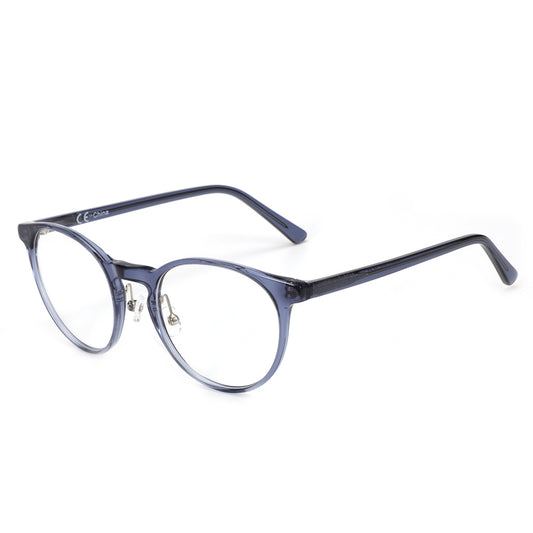
The Best Glasses for Night Shift Workers: Blue Light & Fatigue (2026 Guide)
Summary
For night shift workers, the primary challenge is managing artificial blue light exposure that suppresses melatonin and disrupts circadian rhythms, leading to chronic fatigue and "shift work sleep disorder." In 2026, the benchmark solution involves a dual-strategy approach: using high-clarity clear blue light filters (blocking 20-40% of HEV light) during active work hours to maintain color accuracy and visual performance, followed by high-intensity amber-tinted lenses (blocking 90% or more) during the final two hours of a shift and the morning commute. This protocol effectively protects the eyes from the 460nm wavelength peak most responsible for circadian disruption while ensuring occupational safety and a smoother transition to restorative sleep.
Key takeaways
- Target the 460nm Peak: Effective night shift eyewear must filter the specific blue light wavelengths (446-477nm) that suppress melatonin production, rather than just general "blue light."
- Prioritize Optical Clarity: For long shifts, lenses with a high Abbe value (30-58) are essential to minimize chromatic aberration and peripheral blur, which are major contributors to eye fatigue.
- The Two-Pair Strategy: Use clear filters for active professional tasks and switch to amber tints for the "wind-down" period and the commute home to signal the brain to prepare for sleep.
- Occupational Specificity: Healthcare workers require high color rendering (CRI), while logistics and security personnel may need ANSI-certified impact resistance and anti-glare coatings for night driving.
- Manage the Commute: Exposure to bright morning sunlight after a night shift can reset your internal clock; wearing polarized or photochromic blue-blocking lenses during the drive home is a critical, often overlooked step.
The Biological Impact of Night Shifts on Eye Health and Sleep
Working through the night is more than just a scheduling challenge; it is a physiological battle against millions of years of evolutionary biology. The human eye contains specialized cells called intrinsically photosensitive retinal ganglion cells (ipRGCs). These cells are not used for vision but are instead dedicated to sensing ambient light levels to regulate our internal clock. When these cells detect blue light—specifically in the 446-477nm range—they send signals to the suprachiasmatic nucleus (SCN) in the brain to suppress melatonin and increase cortisol. In a natural environment, this keeps us alert during the day. In a hospital, warehouse, or security booth at 3:00 AM, this artificial "daylight" signals your body to stay in a high-stress, high-alert state, making it nearly impossible to achieve deep REM sleep once your shift finally ends.
Beyond sleep disruption, the constant glare from LED overhead lighting and digital interfaces leads to digital eye strain (computer vision syndrome). Symptoms include dry eyes, blurred vision, and headaches, which are often exacerbated by the lower blink rate associated with focused screen work. Understanding how blue light affects eye health is the first step in selecting eyewear that doesn't just "block light" but actively manages your biological response to your environment.
Logic Summary: This section assumes that the primary goal of night shift eyewear is circadian management rather than just comfort. It focuses on the ipRGC pathway because this is the most scientifically grounded explanation for why shift workers experience unique fatigue patterns compared to day-shift office workers.
Material Science: Why Abbe Value and Lens Index Matter for Fatigue
When selecting glasses for a 12-hour shift, the material of the lens is just as important as the coating. Many off-the-shelf blue light glasses use low-quality polycarbonate, which has a low Abbe value. The Abbe value measures how much a lens material disperses light; a lower number means more chromatic aberration, which manifests as "color fringing" or blurriness at the edges of your vision. For a worker already struggling with low-light fatigue, this extra effort for the brain to process a clear image leads to significant neural exhaustion.
In 2026, high-performance eyewear often utilizes MR™ series polymers. These materials offer a superior balance between a high refractive index (making lenses thinner) and a high Abbe value (ensuring optical clarity). For those with higher prescriptions, understanding the trade-offs between 1.67 vs 1.74 high-index lenses is crucial. A thinner lens reduces the weight on the bridge of the nose, preventing the physical discomfort that often leads workers to remove their glasses mid-shift. For a deep dive into these standards, our Technical Guide to High-Index Lens Materials and Standards explains how ANSI Z80.1-2025 compliance ensures your lenses meet the highest benchmarks for impact resistance and optical purity.
Choosing the Right Lenses for Your Profession
Not all night shifts are created equal. A nurse monitoring vitals in a neonatal unit has vastly different visual requirements than a long-haul trucker or a data center technician. To find the best glasses for night shift workers, you must align the lens technology with the specific occupational hazards of your role.
Healthcare and Clinical Professionals
In clinical settings, color accuracy is paramount. Distinguishing between different shades of skin tone, fluid colors, or chart highlights can be a matter of patient safety. For these professionals, we recommend clear blue light filtering lenses that block approximately 20-30% of the most harmful HEV light while maintaining a high Color Rendering Index (CRI). These lenses appear clear to colleagues and patients but provide enough filtration to reduce the "sting" of harsh hospital LEDs.
Logistics, Driving, and Security
For those whose "office" is the road or a dimly lit security perimeter, glare is the primary enemy. Headlights and streetlamps create "halos" and "starbursts" that cause squinting and fatigue. In these cases, a specialized comprehensive guide to night driving glasses can help you understand the benefits of yellow-tinted lenses and anti-reflective (AR) coatings. These technologies enhance contrast in low-light conditions, making it easier to spot hazards without the blinding glare of modern HID or LED headlights.
Office-Based and Digital Monitoring
If your shift involves staring at a bank of monitors for eight hours, you are the prime candidate for specialized night vision glasses designed for digital wellness. These often feature a slight amber tint that provides a more significant "warmth" to the screen, significantly reducing the "blue spike" emitted by digital displays.
The 2026 Innovation: Adaptive and Photochromic Blue Light Filters
One of the most significant gaps in traditional night shift advice is the "morning commute problem." You finish your shift at 7:00 AM, walk out of a dimly lit building, and are immediately hit by the rising sun. This blast of full-spectrum light, rich in blue wavelengths, tells your brain that the day has started, effectively "resetting" your clock just as you are trying to go to bed.
Modern photochromic blue light blocking lenses solve this by remaining clear indoors while darkening and increasing their filtration levels when exposed to UV light outside. This allows for a seamless transition from the workstation to the car, protecting your melatonin levels during the critical drive home. In 2026, we are also seeing the rise of electrochromic "smart" glasses that allow users to manually increase the tint level during the final hour of their shift, preparing the body for sleep while still in the workplace.

Lens Selection Framework for Night Shift Professionals
The following table provides a heuristic for selecting the right lens technology based on your primary work environment and the time of your shift.
| Work Environment | Primary Goal | Recommended Lens Type | Blue Light Blocking % |
|---|---|---|---|
| High-Intensity LED (Hospital/Lab) | Color Accuracy | Clear Filter (High CRI) | 20% - 35% |
| Digital Monitoring (IT/Security) | Eye Comfort | Light Amber / Yellow Tint | 40% - 65% |
| Low-Light Driving (Logistics) | Contrast Enhancement | Night Driving (Yellow + AR) | 15% - 25% |
| The "Wind-Down" (Final 2 Hours) | Melatonin Protection | Deep Amber / Orange Tint | 90% - 99% |
| Commute Home (Outdoor) | Circadian Shielding | Polarized or Photochromic | Variable (High UV/HEV) |
Logic Summary: This framework assumes that "blocking more is better" is only true for circadian management, not for visual performance. It balances the biological need for melatonin with the professional need for clear vision.
Practical Strategies for Transitioning Between Shifts
Beyond eyewear, managing the graveyard shift requires a holistic approach to light hygiene. The goal is to create a "synthetic day" that aligns with your work schedule.
- The Two-Hour Rule: Switch to your highest-intensity blue-blocking glasses at least two hours before you intend to sleep. This mimics the natural sunset that your body is missing.
- Environmental Control: When you arrive home, ensure your bedroom is "cave-dark." Use blackout curtains and avoid checking your phone—even with blue light filters—as the mental engagement of scrolling can be just as disruptive as the light itself.
- Verify Your Gear: Not all filters are effective. Look for research on blue light blocking effectiveness to ensure your glasses are targeting the 460nm peak rather than just providing a cosmetic tint.
- Consistency is Key: Try to maintain a similar sleep-wake schedule even on your days off. Rapidly "flipping" your schedule back to a day-shift routine causes "social jetlag," which significantly increases long-term health risks.
FAQ
Can I wear amber-tinted glasses for my entire 12-hour night shift? While you can, it is often not recommended for tasks requiring high visual precision or color identification. Amber tints significantly alter your color perception, which can be dangerous in healthcare or technical roles. A better approach is to use clear filters for the majority of the shift and switch to amber tints only for the final two hours to facilitate melatonin production.
Do blue light glasses actually help with the headaches I get during my shift? Yes, blue light glasses can help reduce the symptoms of digital eye strain, including tension headaches. By filtering out the high-energy visible (HEV) light that causes the most scatter within the eye, these lenses reduce the effort required for the eye to focus. However, it is also important to ensure your prescription is up to date, as uncorrected refractive errors are a leading cause of workplace headaches.
Is there a difference between "gaming glasses" and night shift glasses? The underlying technology is similar, as both aim to filter blue light and reduce glare. However, night shift glasses often prioritize circadian management (melatonin protection), whereas gaming glasses focus on contrast enhancement and reducing flicker-induced fatigue. For shift workers, the timing of when you wear the glasses is more critical than the specific branding.
Should I wear blue light glasses if I work from home on a night shift? Absolutely. In fact, home environments often have less regulated lighting than professional offices. If you are working on a computer at home, you are likely being exposed to significant blue light from both your monitor and your home's LED or fluorescent bulbs. Using a pair of blue light glasses can help separate your "work mode" from your "sleep mode."
Will wearing these glasses at night make me feel sleepy while I'm working? Generally, no. Clear blue light filters do not block enough light to induce immediate sleepiness; they simply reduce the strain on your eyes. However, if you wear very dark amber or orange-tinted glasses early in your shift, you might inadvertently signal your body to start winding down. This is why the "Two-Pair Strategy" is the most effective way to stay alert during work and sleep well afterward.
Do I need a prescription to get high-quality night shift glasses? No, you can purchase non-prescription (plano) blue light blocking glasses. However, if you already wear corrective lenses, it is highly recommended to have the blue light filter integrated into your prescription lenses. This ensures you have both the vision correction and the light protection you need without having to stack glasses or use uncomfortable clip-ons.
References
Government / Standards / Regulators
- NIOSH (CDC): Workplace Solutions: Reducing the Health Risks of Shift Work
- ANSI: Z80.1-2025 Ophthalmics - Prescription Ophthalmic Lenses - Recommendations
- ISO: ISO 8980-1:2026 Ophthalmic optics — Uncut finished spectacle lenses
Industry Associations / Research Institutes
- The Vision Council: Digital Eye Strain Report 2025
- American Optometric Association (AOA): Blue Light and Eye Health Clinical Guidelines
Academic / Whitepapers / Labs
- Journal of Biological Rhythms: "Action Spectrum for Melatonin Regulation in Humans: Evidence for a Novel Circadian Photoreceptor" (460nm Peak Analysis).
- Harvard Medical School: Blue light has a dark side
Community & Intent
- Reddit r/nursing: Discussions on "Best eye strain tips for night shift" (Intent only; not authoritative).
- Shift Work Wellness Forum: User reviews of various amber-tinted lens brands (Intent only; not authoritative).
Ready to protect your vision and reclaim your sleep? Browse our blue light blocking collection to find the perfect pair for your next shift.
