



Do Blue Light Glasses Work? The 2026 Science Update
Current evidence suggests blue light glasses probably do not make a meaningful difference for computer-related eye strain for most users. The 2026 science update reinforces what major reviews have found: while marketing often promises relief from digital eye strain, headaches, and even better sleep, the best available clinical data points to limited or no clear benefit in everyday screen use. Instead, symptoms like dryness, fatigue, and blurred vision are more often tied to reduced blinking, focusing fatigue, poor ergonomics, or an outdated prescription.

This does not mean all screen-related discomfort is imaginary. Many office workers, students, and remote professionals experience real strain after long hours on devices. The key question is what actually helps. Recent systematic reviews and official guidance from ophthalmology organizations continue to emphasize practical habits and proper vision correction over relying on blue light filtering alone.
What the Latest 2026 Research Actually Says
The conversation around blue light glasses has matured. A landmark Cochrane review found that blue-light filtering spectacles probably make no difference to eye strain, eye health, or sleep quality for most people. This aligns with guidance from the American Academy of Ophthalmology, which states that blue light from computers is not considered a cause of eye disease, and special glasses are not needed to protect against it in typical use.
A 2023 systematic review (with updates still examined in 2026 peer-reviewed summaries) similarly concluded that blue-light filtering spectacle lenses may not reduce eye strain with computer use. The College of Optometrists' evidence synthesis reaches the same conclusion: there is not strong evidence that these lenses improve visual performance or sleep in most users.
These findings do not dismiss all potential uses. Blue-blocking lenses may have a more plausible role for some people with insomnia or circadian-rhythm issues, particularly in evening hours. However, clinical trials exploring this in 2026 remain focused on specific medical contexts rather than broad consumer relief during daytime screen work.

Why Your Eyes Feel Tired After Screens
Digital eye strain, often called computer vision syndrome, stems primarily from how we use screens rather than the blue light itself. According to the American Optometric Association, common drivers include reduced blinking (which leads to dry eyes), prolonged near-focus fatigue, glare, poor lighting, and improper viewing distances.
Many users assume the blue light wavelength is the main culprit. In reality, the evidence shows that symptoms often improve more from simple changes like the 20-20-20 rule (every 20 minutes, look 20 feet away for 20 seconds), optimizing screen brightness and position, ensuring proper room lighting, and staying hydrated than from adding a filter.
This is especially relevant for people already wearing prescription glasses. An outdated prescription or lenses not optimized for intermediate screen distances can amplify fatigue far more than unfiltered blue light.
Evidence Strength Across Common Claims
Current Evidence Suggests Blue Light Glasses Have Limited Benefits
Illustrative evidence-strength comparison across common claims. Based on writer_evidence modules, not experimental measurements.
View chart data
| Category | Evidence strength |
|---|---|
| Eye strain reduction | 1.0 |
| Sleep improvement | 1.0 |
| Eye disease protection | 0.0 |
| Visual performance | 0.0 |
Modelled from writer_evidence modules only: Cochrane review (no clear difference for eye strain, sleep, or eye health), AAO guidance (blue light is not a proven cause of disease; habits and overall eye care matter more), systematic review (may not reduce eye strain), and College of Optometrists (limited efficacy). Values are illustrative/heuristic evidence-strength labels, not experimental measurements.
This illustrative chart summarizes the consensus from major reviews. A score near 1.0 reflects limited or no clear benefit in large-scale evidence; higher would indicate strong clinical support. The data is heuristic, modeled directly from the cited systematic reviews and official guidance to help readers quickly see where claims stand.
When Blue Light Glasses Might Offer Some Value
Despite the overall limited evidence for strain relief, certain scenarios make a blue light filter a reasonable low-cost experiment. They may feel more relevant for evening use if your primary complaint involves sleep timing rather than daytime eye fatigue. Some users also report a subjective sense of reduced glare or a helpful “cue” to take breaks when wearing them.
However, the benefit is often placebo-level or tied to better overall lens quality (such as anti-reflective coatings) rather than the filter itself. For people with specific circadian concerns, ongoing 2026 studies continue to explore targeted applications, but these do not yet translate to broad recommendations for office workers or students.
What to Check Before Buying: A Practical Triage Checklist
Before purchasing blue light glasses, rule out more likely causes. Use this operational checklist synthesized from clinical guidance:
- When was your last comprehensive eye exam? If it has been over a year, start there.
- Does discomfort occur with printed materials or only digital screens?
- Does adjusting screen brightness, distance (aim for arm’s length), font size, or room lighting noticeably reduce symptoms?
- Are you taking regular breaks and following the 20-20-20 rule?
- If you already wear glasses, do they feel optimized for intermediate distances common in multi-monitor setups?
- Is neck, shoulder, or back pain part of the picture? This often points to ergonomics over lens tint.
- Is the main issue falling asleep after late-night screen use rather than daytime dryness or headaches?
If several answers point to prescription, setup, or habit issues, address those first. An outdated prescription or uncorrected astigmatism frequently explains persistent strain that no filter can fix.
This checklist helps translate abstract science into personal decision-making. Many readers discover their “blue light problem” resolves after updating their prescription or improving workstation ergonomics.
Features That Matter Most for All-Day Digital Comfort
When choosing everyday eyeglasses for heavy screen use, prioritize these evidence-aligned features over marketing claims about blue light percentages:
- Proper prescription for intermediate distances: Computer glasses or progressive lenses optimized for 20–30 inches often deliver the biggest comfort gain.
- Anti-reflective (AR) coatings: These reduce glare and reflections far more effectively than blue filters for most users.
- High-index lightweight materials: Especially useful for stronger prescriptions to reduce weight and fatigue, as discussed in technical lens guides.
- Good frame fit and adjustability: Secure fit prevents slipping and maintains optimal lens positioning.
- UV protection and quality materials: Standard in reputable lenses but worth confirming.
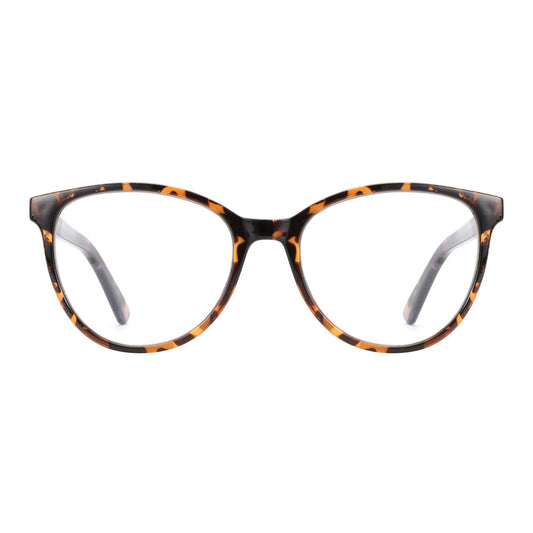
For those interested in exploring options, consider blue light blocking glasses that combine filters with premium anti-glare coatings, or versatile everyday styles like the Zenottic Eyeglasses Sofia that work for both office and casual wear.
Prescription-focused solutions such as computer glasses optimized for multi-monitor setups often provide better real-world results than generic non-prescription blue blockers.
Health and Comfort Disclaimer
This article discusses setup advice and comfort considerations based on available research. It does not constitute medical advice, diagnosis, or treatment. Blue light glasses are not proven to prevent eye disease or significantly reduce symptoms for everyone. If you experience persistent discomfort, headaches, vision changes, or have existing eye conditions, consult a qualified eye care professional for personalized evaluation.
How to Choose Glasses That Actually Help in Your Situation
Match your needs to the right approach:
- Strongest evidence path: Get a current eye exam, optimize your workspace (screen height, distance, lighting), and adopt better habits. This resolves symptoms for the majority of people.
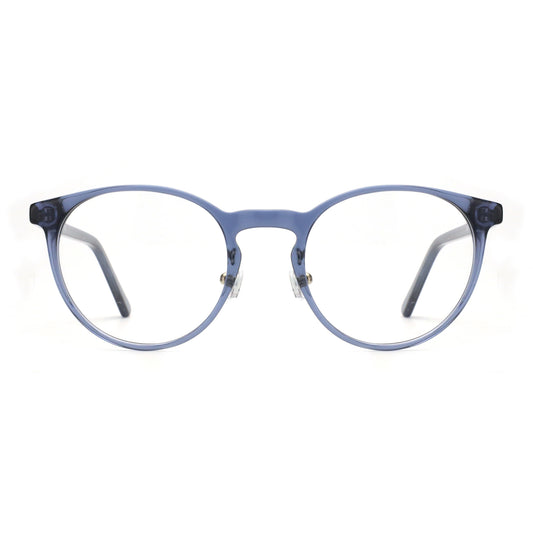
- Moderate experiment: If you want to test lenses as an additional layer, select quality prescription glasses with AR coating and, if desired, a modest blue light filter. Styles like the Zenottic Eyeglasses Aurora combine multiple comfort features.
- When to skip: Do not buy blue light glasses as your primary solution if symptoms suggest an outdated prescription or ergonomic problems. In those cases, new glasses without a heavy marketing focus on blue light may serve you better.
For deeper dives into practical solutions, read our guide on deep work eyewear for 10-hour screen days or explore prescription computer glasses for multi-monitor setups.
High-prescription users experiencing contact lens fatigue may also find relief switching to lightweight 1.74 high-index options.
Bottom Line for 2026 Shoppers
Blue light glasses are unlikely to be the game-changing solution many advertisements suggest. The science points to prescription accuracy, anti-glare coatings, proper ergonomics, and healthy screen habits as the most reliable ways to reduce digital eye strain. A well-fitted pair of quality glasses that corrects your vision for screen distances will usually deliver more noticeable comfort than a blue light filter alone.
Approach purchases conservatively. Use the checklist above, consider an eye exam, and treat blue light filtering as an optional add-on rather than the main feature. This evidence-based mindset helps you invest in solutions that actually address the root causes of discomfort instead of chasing marketing hype.
For those ready to explore comfortable, versatile options that combine style with practical features, browse the full eyeglasses collection or specific acetate frames that pair well with modern lens treatments.
Additional reading on related topics includes our analysis of gaming glasses that actually work beyond the blue light hype and practical advice on myopia management for adults.
