



Do Clip-On Sunglasses Fit Any Frame? A Compatibility Checklist
No. Clip on sunglasses fit any frame is not a universal result. A clip-on is more likely to work when its dimensions, lens outline, attachment access, and clearance match the eyeglass frame. A frame can look close in width and still produce a crooked, unstable, obstructed, or lens-touching fit.

Use the screen below as a conservative way to evaluate a clip-on before adding it to your cart. Record your frame measurements, compare them with the specific clip-on listing when relevant details are available, inspect the front outline, and classify the result as likely compatible, borderline, or a poor fit. These labels are practical screening categories, not standardized industry tolerances.
No—Can Clip-On Sunglasses Fit Any Frame? Run This Four-Check Screen
A quick clip-on compatibility screen should cover four conditions. When a listing provides exact dimensions, do not rely on a generic small, medium, or large label.
-
Record the frame dimensions. Look for the numbers printed inside the temples, then note the eye-size and bridge-width figures. If the frame provides another useful front measurement, record that too. Compare these details with the specific clip-on listing when available instead of relying on a general size label. Keep pupillary distance, or PD, separate from frame size because it describes a different measurement. You can read your frame numbers before comparing an existing pair with an online listing.
-
Compare the lens outline and coverage from the front. Overall width is only one part of the match. Hold or visualize the clip-on over the eyeglasses from straight ahead, and check whether its lenses stay centered over the prescription lenses. Look for exposed lens edges, excessive overhang, or an outline that leaves the clip-on sitting at an angle. Round, rectangular, aviator, and other shapes are not interchangeable just because their total width is similar.
-
Find a usable attachment point. Identify where the product is designed to attach, such as a top clip, bridge mount, or magnetic system. That mechanism needs a suitable contact or alignment point on the existing frame. Check whether the bridge, rim, nose pads, hinges, and temples leave room for the attachment. A mechanism name alone does not prove that it will work with your frame.
-
Check clearance and final position. The clip-on should sit centered without blocking your view, touching the prescription lenses, interfering with temple movement, or pressing heavily on the bridge or nose area. If it shifts, sits crooked, catches on a hinge, or creates pressure, do not treat that as an acceptable fit.
Use this final classification:

| Result | What the screen shows | Next decision |
|---|---|---|
| Likely compatible | Dimensions, outline, attachment access, and clearance appear to agree. | Compare the exact listing details when provided, then confirm a centered, stable fit. |
| Borderline | At least one dimension, contact point, or clearance condition remains unclear. | Pause and obtain the missing specification, or choose a more closely matched option. |
| Poor fit | The clip is loose, crooked, obstructed, lens-touching, pressure-heavy, or has no usable attachment surface. | Change the size, shape, or mechanism, or choose a frame intended for sun-clip use. |
The weakest unresolved check controls the result. If attachment access or clearance is still uncertain, keep the frame in the borderline category instead of assuming that a close width match will solve the problem.
Spot the Frame Features That Can Defeat a Close-Looking Fit
A clip-on can fail even when its overall width seems right because the rim, bridge, lens outline, and curvature determine where the mechanism sits. Treat every frame type below as a reason for closer comparison, not as an automatic yes or no.
Full-Rim Metal and Plastic Frames
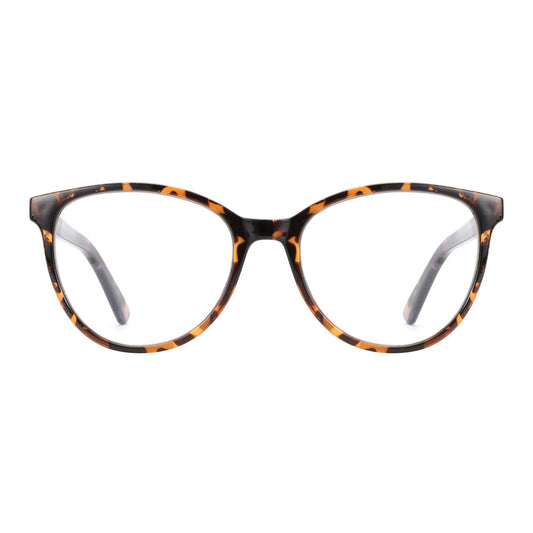
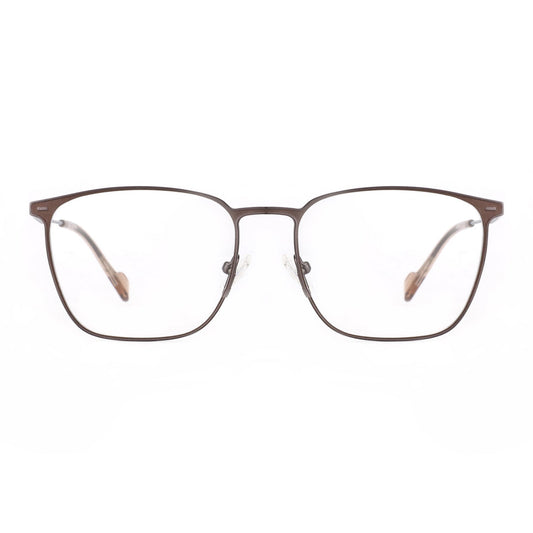
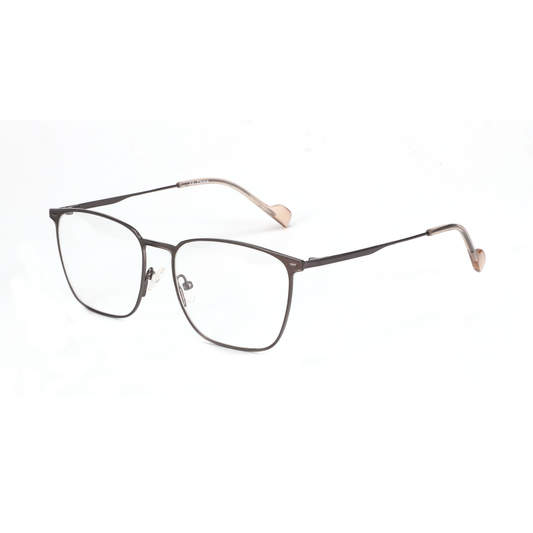
A continuous rim can provide a more predictable contact area, but full-rim construction does not guarantee compatibility. Thin metal rims and thick plastic or acetate rims can differ in the space available for the clip, especially around the bridge, nose pads, and hinges. A clip that needs to sit over the top edge may not align cleanly with a thicker rim, while a narrow contact area may leave the attachment unstable.
Material alone is not a sufficient test. For both metal and plastic frames, compare rim thickness, bridge construction, hinge position, curvature, and the clip's actual contact points. If the clip rests unevenly or touches the prescription lenses, the frame is not a likely fit merely because it has a full rim.
Rimless and Semi-Rimless Frames
Rimless and semi-rimless designs may be harder to match with a standard clip when they lack a dependable surface or alignment point. The issue is not the style label itself; it is whether the specified mechanism can attach without pressing on the lenses, catching on the mounting hardware, or shifting across the bridge.
Treat a magnetic or purpose-built system as compatible only when the specific listing or instructions explain that its mounting design supports the particular construction. Do not assume that “magnetic” solves every rimless, semi-rimless, or unusual bridge problem. If the listing does not explain how the system aligns with the frame, classify the fit as borderline rather than assuming compatibility.
Round, Rectangular, Aviator, and Oversized Frames
Different lens outlines can create different coverage problems even when two frames have similar front widths. A round clip-on placed over a rectangular lens may leave edges exposed or overhang the frame. An aviator or strongly curved outline may sit unevenly if the clip's curve and bridge position do not follow the prescription frame. A rectangular clip can also look wide enough while failing to center over a frame with a different eye shape.
Oversized frames need extra scrutiny for overhang, exposed prescription-lens edges, and unstable weight. High-bridge frames may create a collision around the nose or an elevated position, while narrow-bridge frames may leave the clip crowded or crooked. Check the front outline and bridge area directly; shape, scale, and curvature can affect the result more than width alone.
Choose the Next Step From Your Fit Result
Let the failed or unresolved check determine your next purchase action. Do not simply choose a larger or smaller generic size when the actual problem is the lens shape, attachment mechanism, bridge position, or curvature.
If the frame is likely compatible, compare the exact clip-on eye size, bridge information, front dimensions, and mounting instructions with your recorded measurements when the individual listing provides those details. Keep the option only if the clip sits centered, remains stable, leaves your view unobstructed, and avoids lens contact or heavy pressure. A follow-up check on how glasses fit can help you assess the underlying frame's position before judging the added clip-on.
If the frame is borderline, pause before buying. Missing dimensions, an unclear contact point, or uncertain clearance is a reason to obtain product information, not evidence that the clip will fit. Choose a more specifically matched mechanism or lens shape when the listing resolves that particular uncertainty. If the information remains unavailable, choose another option rather than assuming compatibility.
If the frame is a poor fit, identify the failed condition. Change the size when the dimensions mismatch, change the lens shape or curvature when coverage fails, and change the mechanism when the frame lacks a reliable attachment surface. If the construction itself prevents attachment, choose a frame designed for sun-clip use. Do not bend the prescription frame, force the clip, or accept a loose, crooked, obstructed, lens-touching, or pressure-heavy fit as normal.
When you are ready to browse category options, you can shop clip-on sunglasses, but the collection itself does not establish compatibility with your current frame. The practical answer to clip on sunglasses fit any frame is no: compare the available listing details and mounting conditions, and move to another size, shape, mechanism, or frame whenever one decisive check fails.
Frequently Asked Questions
These questions address fit decisions that arise after the visual and measurement screen.
Can Clip-On Sunglasses Work With Every Eyeglass Frame?
No. Compatibility depends on the specific frame and clip-on dimensions, lens outline, attachment access, bridge position, and clearance. Frame material and a generic size label cannot establish a universal fit. Compare the listing with the actual frame before buying.
How Do I Know Which Clip-On Sunglasses Fit My Glasses?
Record the eye-size and bridge numbers inside the frame, or measure the frame when those markings are unavailable. Then compare those dimensions, the front width when listed, the lens outline, and the clip's attachment points with the individual product details when available. PD is separate from frame sizing, so do not use it as a substitute for frame measurements. If one decisive measurement or mounting condition is missing, treat the choice as borderline.
Can Clip-On Sunglasses Fit Rimless or Semi-Rimless Glasses?
They may, but a standard clip can lack a dependable surface or alignment point on these constructions. Confirm that the specific mounting design and instructions support the frame. If they do not explain the fit, choose another mechanism or a different frame instead of assuming that a magnetic mount will solve the problem.
What Should I Do If My Clip-On Sunglasses Do Not Fit Securely?
Identify whether the problem is the dimensions, lens outline, attachment access, or clearance. Then change the relevant size, shape, or mechanism. Do not force or bend the frame, and do not keep a clip that is loose, crooked, lens-touching, obstructed, or pressure-heavy. If the frame has no usable contact surface, select a clip-ready frame or another attachment style.
