



The 'Heavy Glasses' Headache: How to Reduce the Weight of Strong Prescriptions
If your strong prescription glasses leave deep marks on your nose or contribute to tension headaches after a full day of wear, the combination of thick lenses and heavy frames is often the culprit. Upgrading to 1.74 high-index lenses paired with the right lightweight frame can noticeably reduce overall weight and pressure, making all-day wear far more comfortable for many users with high prescriptions.

Heavy glasses create real physical strain for people who need significant vision correction. The thicker the lenses, the more they add to the front-heavy weight that presses down on the nose bridge and ears. This pressure often leads to red marks, permanent-looking dents, soreness, and even tension headaches that build over hours of use, especially during screen-heavy workdays or commuting. Many wearers assume these symptoms are unavoidable with strong prescriptions, but targeted changes in lens material and frame selection can make a meaningful difference.
Understanding Why Strong Prescription Glasses Feel So Heavy
The primary reason strong prescription glasses feel heavy comes down to lens thickness and material density. Higher diopter corrections require more lens material to bend light correctly, resulting in thicker edges on minus prescriptions or thicker centers on plus prescriptions. This added mass shifts the center of gravity forward, increasing downward pressure on the nose pads.
Poor frame choices compound the issue. Large or wide frames require bigger lenses, which means even more material and weight at the edges. When combined with metal frames that lack flexibility or inadequate nose pad design, the result is concentrated pressure that can leave visible dents and trigger discomfort. In some cases, the constant adjustment of slipping glasses adds muscle strain that contributes to headaches.
Not every discomfort is purely from weight. Fit problems, outdated prescriptions, or even unrelated tension can play a role. However, when wearers report that their current glasses feel noticeably heavier than previous pairs, lens thickness and frame mass are usually key factors worth addressing first.
When Heavy Glasses Are Most Likely to Cause Discomfort
Symptoms typically appear or worsen in specific situations. Office workers and students who spend long hours in front of screens often notice increasing pressure and headaches by afternoon. Commuting or walking makes glasses slide or bounce, amplifying the sensation of weight. Social events or extended reading sessions allow the cumulative strain to build until the nose bridge feels sore or marked.
A practical threshold helps determine whether your prescription and setup are likely contributing. Prescriptions stronger than approximately -6.00 D or +4.00 D in medium to large frames tend to produce enough edge or center thickness that weight becomes noticeable. Smaller frames or milder prescriptions may not create the same level of discomfort. If you already see thick edges when looking at your current glasses from the side or experience nose dents after just a few hours, the combination of lens bulk and frame choice is probably playing a significant role.
The chart below provides an illustrative view of when upgrades tend to deliver more noticeable relief. It uses relative estimates based on typical thickness reduction patterns rather than measured clinical data.
Illustrative weight/thickness relief from 1.74 high-index lenses
Use as a relative decision aid, not as a measured comparison.
View chart data
| Category | 1.67 vs standard | 1.74 vs 1.67 | Large frame bonus for 1.74 |
|---|---|---|---|
| -4.00 D | 15.0 | 6.0 | 3.0 |
| -6.00 D | 22.0 | 10.0 | 6.0 |
| -8.00 D | 28.0 | 14.0 | 9.0 |
Illustrative relative estimates only, not measured data. Threshold framing follows the provided guidance: 1.74 becomes more noticeable at prescriptions stronger than about -6.00 D (and similarly above +4.00 D), with larger frames increasing the benefit. Values are normalized relative relief scores for weight/thickness reduction and comfort, not clinical measurements.

Common Myths About Heavy Glasses and Headaches
Several misconceptions lead people to make suboptimal choices when trying to solve discomfort.
One widespread myth is that if glasses feel heavy, they must be the direct cause of headaches. While added weight and pressure can contribute to tension, headaches have many possible triggers including muscle strain from poor posture, screen glare, dehydration, or an outdated prescription. Treating eyewear as the sole culprit can delay finding the real fix.
Another myth claims that high-index lenses are always worth the extra cost for strong prescriptions. In reality, the benefit depends heavily on your exact prescription strength, chosen frame size, and whether thickness is the dominant issue. For some wearers with moderate needs or very small frames, the improvement may be modest compared to the price difference.
Many also believe the highest index number is automatically the best choice. Moving from 1.67 to 1.74 high-index lenses does reduce thickness further, but the incremental gain diminishes in certain setups, and higher-index materials can introduce slight trade-offs in optical clarity or durability that some users notice.
Finally, a common belief is that nose dents and red marks always mean the lenses are too heavy. These marks more often result from frame geometry, nose pad material and positioning, or how the entire assembly sits on the face. A lighter lens in a poorly designed frame may still cause the same pressure points.
This technical guide to high-index lens materials explains the material science behind these trade-offs in greater detail, including Abbe values and compliance with current ANSI and ISO standards.
How 1.74 High-Index Lenses Reduce Weight and Thickness
High-index lenses achieve thinner profiles by bending light more efficiently, requiring less material overall. The 1.74 index represents one of the highest practical options for everyday eyewear, delivering substantial reductions in edge thickness for strong minus prescriptions and center thickness for plus prescriptions compared with standard 1.50 or even 1.67 materials.
For many wearers with prescriptions beyond -6.00 D, switching to 1.74 lenses can cut visible bulk dramatically while lowering the overall weight resting on the nose. This reduction often translates to less sliding, fewer adjustments, and decreased pressure that can help minimize soreness and headache triggers during extended wear.
However, 1.74 lenses work best when paired thoughtfully with the frame. Smaller, well-balanced frames amplify the comfort benefit. Our 1.67 vs 1.74 high-index lenses comparison breaks down exactly where the upgrade provides the most value for different prescription ranges.
Choosing the Right Lightweight Frames for Thick Lenses
Lens upgrades deliver only part of the solution. Frame material and design play an equally important role in overall weight and pressure distribution.
Titanium and certain high-quality acetate or TR90 frames offer excellent strength-to-weight ratios, allowing the glasses to feel balanced rather than front-heavy. Adjustable nose pads made from soft silicone or with larger contact surfaces help spread pressure more evenly, reducing the likelihood of dents.
Smaller frame sizes are particularly effective because they require less lens material to begin with. Avoid oversized or very wide styles if weight is your primary concern. Look for designs with flexible temples that reduce clamping force on the ears while maintaining secure fit.
This guide on preventing red marks on your nose from heavy glasses offers practical adjustments you can try with your current pair before investing in new lenses or frames.
How to Decide Whether to Upgrade Your Glasses
Before purchasing, run through a quick self-assessment. Check whether your current frame is too large for your face or if the nose pads leave marks after short wear. Notice if the lenses show obvious thick edges from the side. Consider whether your headaches coincide with long wear periods or if they persist even after removing the glasses.
If lens bulk appears to be the main issue, 1.74 high-index lenses paired with a suitable frame usually provide the strongest improvement. When pressure points and slipping dominate, optimizing the frame fit and material may deliver faster relief. Many people benefit most from addressing both simultaneously.
Consider your lifestyle too. Office workers who spend hours at computers may prioritize anti-reflective coatings and blue light filtering alongside the weight reduction. Active users might value impact-resistant options that maintain thin profiles.
Our guide on when to invest in high-index lenses helps weigh the appearance, weight, and cost factors for your specific needs.
Practical Tips for All-Day Comfort with Strong Prescriptions
Start by having your current prescription and pupillary distance verified for accuracy. Even small measurement errors can increase perceived weight and strain. When ordering new glasses, request the smallest suitable frame size that still fits your face comfortably.
Add anti-reflective and UV-protective coatings to reduce glare and eye strain that can compound headache symptoms. Choose frames with spring hinges to minimize temple pressure. Clean nose pads regularly and adjust them so the glasses sit higher and more balanced on your nose bridge.
Take short breaks during long wear periods to relieve pressure points. Some users find that alternating with contact lenses on heavy-use days helps reset facial muscles.
Important Note on Discomfort and Headaches: This article discusses setup and comfort considerations for eyewear only. It does not constitute medical advice, diagnosis, or treatment. Glasses weight and fit may contribute to discomfort for some users, but headaches can have many causes. If you experience persistent headaches, nose pain, vision changes, or other symptoms, consult a qualified eye care professional or healthcare provider for personalized evaluation.
Finding Lightweight Solutions for Your Prescription
Shoppers looking for strong prescription comfort now have more options than ever. Modern 1.74 high-index lenses combined with thoughtfully designed frames can transform the daily experience for those who previously tolerated heavy, bulky eyewear.
Review your prescription details and current symptoms before deciding on upgrades. Many wearers discover that the right combination of thin lenses and lightweight frames eliminates the need to constantly adjust their glasses or endure afternoon headaches.
Explore our selection of 1.74 super high-index lenses to see how much thinner and lighter your next pair can feel. For stylish options that pair well with thin lenses, browse our women's glasses collection or men's glasses.
If you're still experiencing nose marks or discomfort with your current setup, read more about practical fixes in our article on preventing red marks from heavy glasses. For deeper technical understanding, the technical guide to high-index materials provides detailed comparisons across lens indices.
Additional helpful reads include our comparison of polycarbonate vs Trivex lenses for those considering alternative materials and the full breakdown in when to wear sport sunglasses for active lifestyles.
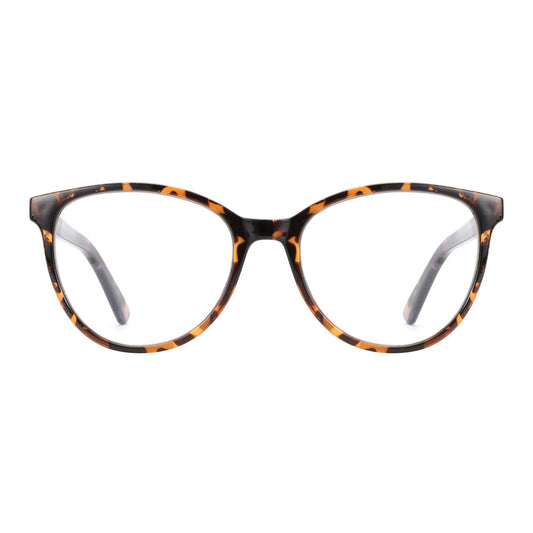
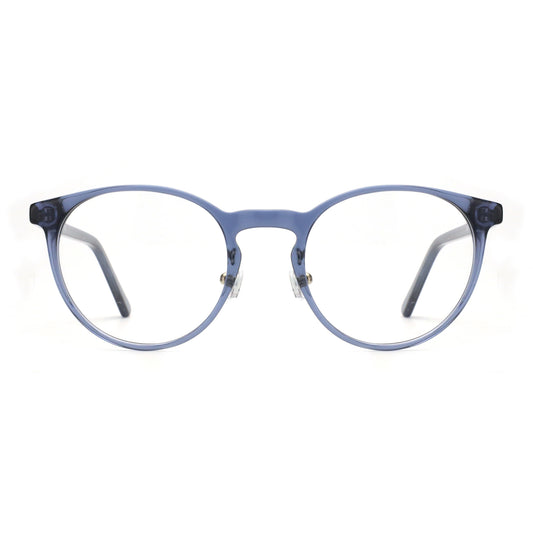
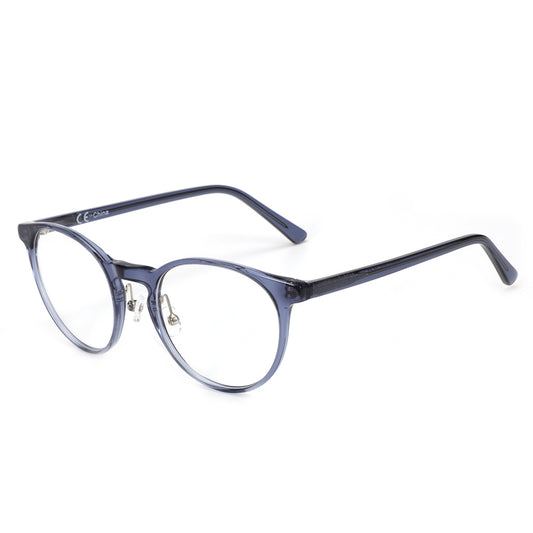
Consider frames like the Zenottic Adelaide or Zenottic Isolde that work beautifully with 1.74 lenses for high prescriptions. The Zenottic Phil and Zenottic Bert models also offer excellent lightweight performance.
By focusing on both lens technology and frame engineering, you can significantly reduce the physical burden of strong prescriptions and enjoy clearer, more comfortable vision throughout your day.
