


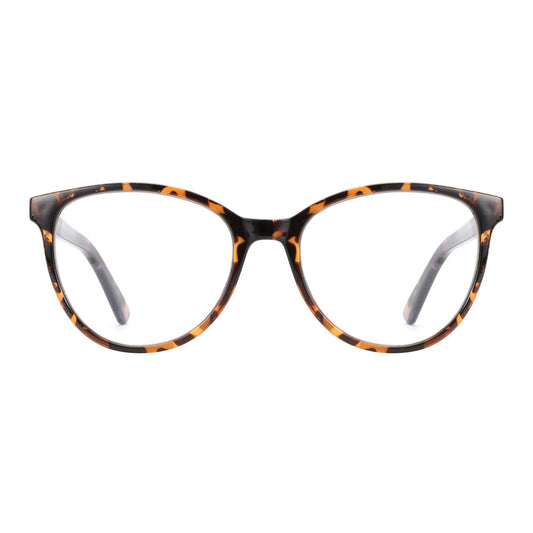

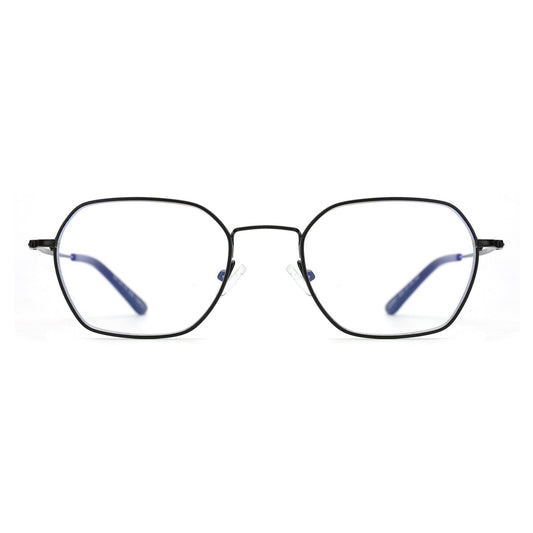

Adjustable Nose Pads vs. Keyhole and Saddle Bridges: Which Is More Comfortable?
For nose pads vs. saddle bridges, adjustable nose pads are the best starting point when you need fine fit changes or more flexibility while troubleshooting slipping. Keyhole bridge glasses and saddle bridges are fixed-shape alternatives that can feel comfortable when their opening, width, contour, and overall frame fit suit you. No bridge is universally most comfortable: frame width, weight, lens size, alignment, and temple fit can matter just as much as the bridge style.
Quick decision summary:
- Need fine adjustment or are troubleshooting slipping: start with adjustable nose pads.
- Prefer fixed, integrated construction without separate pad hardware: compare keyhole bridge glasses.
- Prefer broader integrated plastic contact: compare saddle bridges.
These are starting points, not guarantees; the final choice depends on the specific frame dimensions and how it feels during a try-on.

Nose pads vs. saddle bridges: which comfort profile should you try first?
In the nose pads vs. saddle bridges comparison, start with adjustable nose pads when you need positioning flexibility, are troubleshooting slipping, or expect to have the frame professionally fitted. Consider a keyhole or saddle bridge when its fixed shape feels stable and matches your measurements.
Separate nose-pad components generally allow more fitting latitude than a fixed, integrated plastic bridge. This is a construction-based comparison grounded in common eyewear fitting and adjustment principles, not a guarantee for every frame; the available adjustment depends on the frame's mounting and construction. Adjustable nose pads can be especially useful when you want to investigate slipping without replacing the entire frame.
A keyhole bridge has a fixed opening and geometry. A saddle bridge has an integrated plastic bridge with a fixed width and contour. These descriptions reflect how the frame is built; they do not establish that either design inherently reduces pressure or suits a particular nose shape.
The final check is the whole frame: width, weight, lens size, alignment, and temple fit all affect daily comfort. Compare how frame weight is balanced across the bridge or nose pads rather than choosing based on bridge terminology alone.
How adjustable nose pads, keyhole bridges, and saddle bridges distribute contact
The three designs differ mainly in whether the contact components and bridge geometry can be changed. The table below is qualitative, not a comfort ranking. The adjustability distinctions reflect common frame-construction and fitting principles; actual results depend on the individual frame and wearer.
| Bridge design | Typical contact pattern | Fit flexibility | Main comfort tradeoff |
|---|---|---|---|
| Adjustable nose pads | Separate pads provide defined contact points on the nose. | Generally more fitting latitude, subject to the pad mount and frame construction. | More adjustment potential, but the hardware, pad position, and frame fit still need to feel right. |
| Keyhole bridge glasses | A fixed opening and bridge contour determine where the frame contacts and stabilizes. | Fixed geometry, with limited repositioning compared with mounted pads. | The opening and contour may feel right for one wearer and wrong for another; no inherent pressure reduction is established here. |
| Saddle bridge | An integrated plastic bridge provides fixed contact across its molded width and contour. | Fixed width and shape; changes depend on the frame rather than separate pad positioning. | Simple integrated construction, but a mismatch in width, contour, or alignment can limit comfort. |
Frames with mounted nose pads generally offer more fitting latitude than fixed, integrated plastic bridges, but not every pad mount allows the same adjustment or replacement. Before attempting a change, confirm that the construction is designed for it. An eyewear professional can help with changes that could bend or damage the frame. Judge a fixed keyhole or saddle bridge by its stability and alignment, not by an assumed pressure benefit.
Any of the three designs can become uncomfortable if the frame is too wide, heavy, tilted, or poorly aligned. The bridge controls only part of the fit, so lens position and temple comfort belong in the comparison too.
Match the bridge to your slipping, pressure, or width concern
Start with the actual comfort problem, then use bridge style to narrow the search. A different bridge may help only when its construction changes the relevant fit variable; otherwise, the frame's width, hinges, earpieces, or alignment may be the real issue.
If the glasses slip: Start with adjustable nose pads when fine positioning matters, but do not treat slipping as proof that the bridge category is wrong. Nose-pad position, frame width, hinges, and earpieces can all contribute; adjustments to the frame may help, but the useful adjustment may not be limited to the bridge. Reassess the complete fit before switching to a keyhole or saddle design.
If the bridge pinches or leaves marks: Treat pinching or deep indentations as a reason to reassess contact, width, alignment, and weight. Do not assume that a keyhole or saddle bridge will automatically remove the pressure. Try another construction only after comparing how it actually rests on your nose and whether the frame stays level. Persistent pain or skin injury is a reason to stop wearing the frame and have an eyewear professional assess the fit rather than trying to diagnose the cause yourself.
If the bridge seems too narrow, wide, or mismatched: Compare the frame's bridge width, depth, contour, lens width, and overall dimensions. Adjustable nose pads may allow more positioning latitude, while a fixed keyhole or saddle bridge requires a closer match between its geometry and your nose. Avoid assigning a bridge type to a particular nose shape without checking the individual frame. For a lower bridge, compare low-bridge fit guidance with the specific frame's measurements and contact points.
If you prefer fixed construction: Keyhole bridge glasses and saddle bridges are reasonable categories to try when you do not want separate pad hardware. A saddle bridge may suit someone who prefers an integrated plastic bridge, while a keyhole bridge may suit someone who prefers its particular fixed opening. In both cases, stability, contour, width, and fit on the actual wearer determine whether the choice works.
Use a try-on check before you add a frame to your cart
Use the same checks in a store, at home, or while reviewing an online listing. Follow this order: first check stability, then local pressure and contact, and finally the temples and lens position. The goal is to confirm how the frame behaves, not simply that it has your preferred bridge label.
- Check stability first. Wear the frame and move naturally: look down, turn your head, and move normally while noticing slipping, shifting, or excessive movement. A frame that stays still during a static glance may behave differently during daily use.
- Check local contact and pressure. Notice whether the bridge or nose pads rest evenly without concentrated pressure. Nose pads should not pinch or leave deep indentations, and the frame should not move excessively during the try-on, as explained in this eyeglass fit and comfort guide.
- Check the temples and lens position last. Verify that the lenses are centered in front of your eyes, the frame sits level, and the temples and earpieces feel even rather than creating a separate pressure point. If the frame is loose at the ears or too wide overall, changing bridge style may not address the movement.
- Confirm adjustment options. If the frame has adjustable nose pads, ask what changes are realistic for that specific mount and whether an eyewear professional should make them. Do not assume every pad can be repositioned or replaced in the same way.
- Compare dimensions online. Measure the bridge, lens, and overall frame dimensions against a pair you already find comfortable. Also note the frame material and overall weight when that information is available.
- Review current return terms. Before ordering, read the seller's current return and exchange conditions. Do not assume that an uncomfortable frame can always be returned.

Shortlist the bridge category that matches your priority, then choose the frame that passes the stability, contact, and whole-fit checks. If more than a basic adjustment is needed, arrange a professional fit assessment before making a permanent change.
Frequently Asked Questions
These answers add practical conditions to the comparison so you can apply it to a specific frame.
Are adjustable nose pads more comfortable than keyhole or saddle bridges?
Adjustable nose pads are generally the better starting point when fine positioning or fitting flexibility matters. Keyhole and saddle bridges can also be comfortable when their fixed geometry, dimensions, stability, and whole-frame balance match the wearer. The construction and try-on result matter more than a universal ranking.
Which glasses bridge suits a low, narrow, or wide nose bridge?
Compare the specific frame's bridge width, depth, contour, lens dimensions, and overall fit rather than assigning one bridge style to a nose shape. Adjustable pads may allow more positioning latitude; fixed keyhole and saddle designs depend more on a close geometry match.
Can adjustable nose pads be changed or adjusted after buying glasses?
Sometimes, but the available change depends on the pad mount and the rest of the frame construction. Ask an eyewear professional when the frame design or safe adjustment limit is unclear. Do not assume that every nose-pad frame supports the same repositioning or replacement.
How can I check bridge comfort before buying glasses online?
Compare the bridge, lens, and frame dimensions with a pair that already fits well, then consider weight, alignment, and temple feel from the listing or a try-on. Review the seller's current return terms before ordering, and ask about professional fitting if the construction or adjustment options are unclear.
