


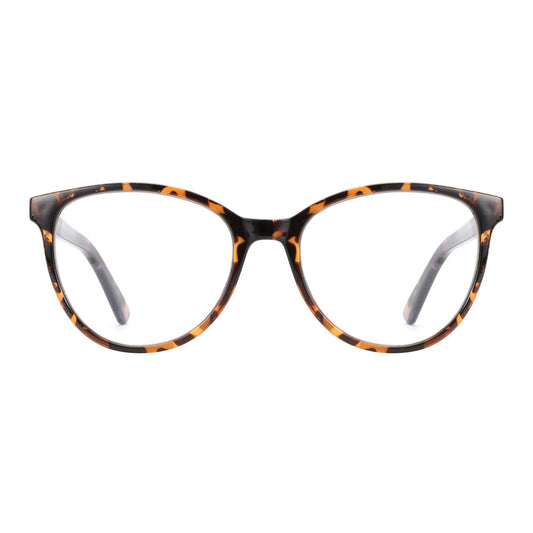

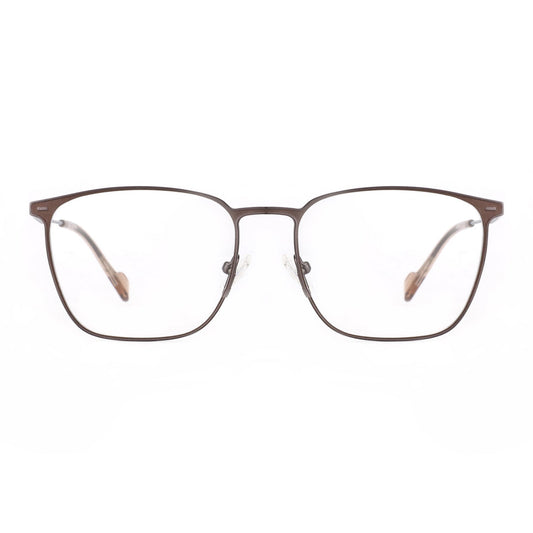
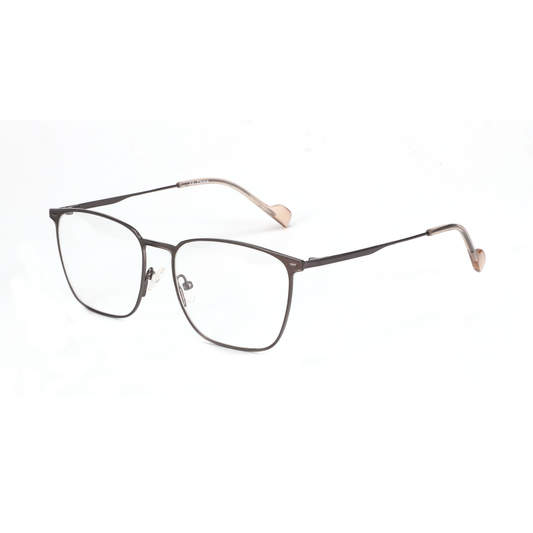
Can Reading Glasses Have Different Strengths for Each Eye?
Yes. Reading glasses with different strengths in each eye are possible when a current prescription calls for separate right- and left-eye powers and the ordering system supports them. Standard over-the-counter readers usually use one shared power in both lenses, so they may work only when that same power gives both eyes clear, comfortable near vision. If one eye stays blurry or uncomfortable, do not keep increasing the shared strength by guesswork. Confirm what each eye needs for near vision and choose an individualized option instead.

Yes—reading glasses can have different strengths for each eye
Yes, a pair of reading glasses can have different powers in its two lenses. This is the practical option when the right and left eyes need different near corrections. The exact setup depends on the prescription and whether the seller accepts separate values for each eye.
Standard readers are different. They generally put the same magnifying power in both lenses. That shared-power design can work when both eyes see clearly and comfortably with it for the intended task, such as reading a book, checking a label, or using a phone.

The key question is not whether you should buy a stronger pair. It is whether one shared power works for both eyes. If it does, standard readers may be practical. If one eye needs more or less correction, custom readers for each eye or prescription reading glasses may be the better option to consider.
Do not average the two eye powers, copy one eye’s value to the other, or assume that a higher shared power will solve the problem. Use the separate values from a current prescription, then confirm that the seller supports the required near-lens configuration. Browse a reading glasses collection only after you know whether a shared-power or individualized setup matches your needs; the collection itself does not confirm separate-eye ordering support.
Check whether the mismatch is in the lenses or the fit
Blur or discomfort with readers does not prove that the eyes need different powers. First rule out simple use and fit problems, then review the prescription if the issue continues.
Before changing the strength, work through this short checklist:
- Clean both lenses. Smudges or residue can interfere with clear vision.
- Check centering and position. Make sure the frames sit evenly and the lenses stay in front of the eyes rather than slipping or sitting at an angle.
- Match the task and distance. Readers chosen for close print may not feel right when you move the material farther away or switch between tasks.
- Compare the eyes without diagnosing the cause. Notice whether one eye consistently remains less clear or more uncomfortable during the same near task.
If persistent blur, eye strain, headaches, or double vision remains after these basic checks, stop guessing at reader strength and review the prescription with an eye-care professional. These symptoms can have more than one explanation, so they do not establish that the eyes need unequal powers. Optometry guidance similarly treats these symptoms as reasons to review the fit or correction, not as a diagnosis of the cause (symptom guidance).
If you already have a prescription, look for the separate right-eye and left-eye entries. In prescription terminology, OD identifies the right eye and OS identifies the left eye. Our guide can help you read OD and OS, but use the prescription itself for the values you enter when ordering. Do not infer a missing value from the other eye.
Choose standard readers, custom readers, or prescription reading glasses
The right category depends on whether one shared power is sufficient and whether separate eye inputs are needed. Use this choice split before comparing frame style, lens options, or price.
| Option | When it may fit | Limitation to confirm |
|---|---|---|
| Standard readers | Both eyes are clear and comfortable with one shared power for the intended near task. | They generally use the same power in both lenses and do not provide a separate-eye setup. |
| Custom readers | The reader needs an individualized near configuration and has separate right-eye and left-eye values. | “Custom” does not by itself prove that the seller accepts separate powers. Confirm the ordering fields and near-use support. |
| Prescription reading glasses | The known prescription is more than a simple shared-magnification choice, or standard readers repeatedly fail to provide a comfortable near view. | The prescription and seller requirements still need to match the intended reading distance and task. |
Standard readers are a reasonable choice only when one shared power is genuinely clear and comfortable for both eyes. Standard over-the-counter readers provide general magnification and may not address every part of an individual prescription (OTC reader guidance). If one eye remains blurry, moving to a stronger pair with the same power in both lenses may not address the underlying mismatch.
Choose custom readers when the seller can use the separate eye values from your prescription. Choose prescription reading glasses when you need the correction described by a prescription rather than general magnification. Retailers may use “custom” and “prescription” differently, so the decisive question is whether the ordering process accepts the right-eye and left-eye inputs your near vision requires.
Frame selection comes after correction requirements. If you move toward individualized eyewear, our guide to different prescriptions can provide additional frame and fit context. It does not establish that a particular frame or product accepts separate powers.
Confirm each eye’s near needs before you order
Before ordering, confirm the correction first, then verify the seller’s separate-eye input process. This helps prevent ordering a customizable-looking reader with incomplete or guessed information.
- Check the current correction. Use an existing prescription if it is current for your needs, or arrange an eye exam if unequal clarity persists and you do not have usable prescription information.
- Record the two eye values. Gather the separate OD and OS entries. Do not average them, copy one value to the other, or calculate a second power from the first.
- Name the near task. Identify whether the pair is for close print, a phone, labels, crafts, or another specific reading activity if the ordering process asks about intended use.
- Confirm separate-eye support. Before adding the pair to your cart, verify that the seller accepts separate right-eye and left-eye values and supports the near configuration you need. “Customizable magnification” alone does not confirm this.
- Use a familiar task to evaluate the pair. If the new readers leave your vision persistently blurred, painful, doubled, or otherwise concerning, stop relying on them and seek eye-care guidance rather than forcing yourself to adapt.
The practical rule is simple: use shared-power readers only when one power works for both eyes. When it does not, obtain the separate values from a prescription or eye exam and order only from a seller whose input process clearly supports them.
Frequently asked questions
These answers address common ordering and use questions without replacing an individualized prescription review.
Do I need an eye exam if one eye needs a different reading-glass strength?
Persistent unequal clarity or recurring symptoms are good reasons to review a current prescription or arrange an eye exam. Symptoms alone do not diagnose unequal powers, and trying progressively stronger readers is not a substitute for confirming what each eye needs.
Can I buy over-the-counter readers with a different power in each lens?
Standard over-the-counter readers generally use one shared power. A custom or prescription ordering system may accept separate powers, but you must confirm that capability and provide the correct right-eye and left-eye values before buying.
Why do reading glasses give me a headache or make one eye feel strained?
Start by checking the lenses, centering, frame position, and the distance of the task. If the symptom continues, review the prescription instead of switching repeatedly to stronger shared readers. A headache or strained feeling does not by itself show that one eye needs a different power.
How do I choose custom readers for unequal eye prescriptions?
Copy the separate OD and OS values from a current prescription, identify the near task, and ask the seller whether its ordering form accepts separate powers for each lens. If those inputs are unavailable, do not guess or substitute one shared value.
