



Y2K Revival: Butterfly Frames and Translucent Tints
Summary
The Y2K eyewear revival in 2026 centers on the return of butterfly frames and translucent pastel tints, blending early-2000s nostalgia with modern lens technology. This trend prioritizes lightweight materials and versatile color palettes, offering a fresh take on iconic silhouettes for contemporary fashion enthusiasts.

Key Takeaways
- Butterfly Frames: These oversized, wing-like silhouettes are a hallmark of the Y2K aesthetic, offering a flattering lift to various face shapes.
- Translucent Tints: Pastel-colored lenses in shades of pink, blue, and yellow provide a soft, retro look while maintaining clarity.
- Modern Materials: 2026 versions utilize advanced high-index polymers and durable acetate for improved comfort and optical performance.
- Versatile Styling: These frames transition easily from casual streetwear to elevated professional ensembles when paired with the right accessories.
- UV Protection: High-quality translucent lenses are engineered to meet UV400 standards, blocking 99-100% of harmful UVA and UVB rays.
The Evolution of the Butterfly Frame: From 2000 to 2026
The butterfly frame, characterized by its expansive, wing-like outer edges, first dominated the fashion scene in the early 2000s. Originally inspired by the oversized glamour of the 1970s, the Y2K iteration introduced sharper angles and more experimental colors. In 2026, we see a refined version of this silhouette. Modern designers have moved away from the heavy, purely ornamental plastics of the past toward lightweight, high-performance materials.
For those with higher prescriptions, the choice of lens material is crucial to maintaining the aesthetic integrity of these larger frames. According to the Technical Guide to High-Index Lens Materials and Standards, high-index polymers like the MR™ series are essential for reducing lens thickness.
Quantitative Comparison: Lens Thickness in Oversized Frames
Because butterfly frames have a larger surface area, standard lenses can become heavy and thick at the edges. The following table illustrates the estimated thickness reduction for a typical -6.00D prescription:
| Lens Index | Relative Edge Thickness | Weight Reduction (Approx.) | Recommended Prescription Range |
|---|---|---|---|
| 1.50 Standard | 100% (Baseline) | 0% | Plano to +/- 2.00 |
| 1.61 High-Index | ~80% | 15-20% | +/- 2.00 to +/- 4.00 |
| 1.67 High-Index | ~65-70% | 25-30% | +/- 4.00 to +/- 6.00 |
| 1.74 Ultra-High | ~50-55% | 40%+ | Over +/- 6.00 |
| Note: Estimates based on a 50mm lens diameter; actual thickness depends on specific frame dimensions and pupillary distance (PD). |
Mastering the Translucent Tint Trend
Translucent tints are the defining feature of the Y2K eyewear revival. Unlike solid dark sunglasses, these lenses offer a "wash" of color that allows the wearer's eyes to remain visible, creating an approachable and stylish look. In 2026, the palette has expanded beyond the classic "millennial pink" to include ice blue, soft mint, and pale lemon.
Choosing the right tint is more than just a fashion statement; it's about enhancing your visual experience. For instance, yellow tints can improve contrast in low-light conditions, while blue tints are often favored for their cooling effect on the eyes. If you're wondering how to choose the color of sunglasses, it's important to consider both your skin tone and your primary environment.

Technical Specifications and Safety Standards
While the aesthetic is retro, the technology is strictly 2026. Modern colour tint lenses are often treated with anti-reflective coatings and hard-coat layers to prevent scratching.
A common misconception is that lighter tints offer less protection. However, reputable manufacturers ensure that even the lightest pastel tints meet UV400 standards. According to the American Optometric Association (AOA), effective eyewear should block 99% to 100% of both UVA and UVB radiation. When purchasing, consumers should look for a manufacturer's certificate of conformity to international safety standards such as ISO 12312-1.
| Tint Color | Recommended Use Case | Visual Benefit |
|---|---|---|
| Pastel Pink | Indoor/Outdoor Fashion | Enhances depth perception |
| Ice Blue | High-Glare Environments | Reduces overall brightness |
| Pale Yellow | Overcast Days / Driving | Increases contrast and clarity |
| Soft Mint | General Daily Wear | Soothing and reduces eye fatigue |
Finding the Perfect Fit for Your Face Shape
One of the most common questions regarding butterfly frames is whether they suit all face shapes. Because of their upward-sweeping design, butterfly frames are exceptionally versatile. They provide a balancing effect for heart-shaped faces and add definition to rounder face shapes.
To ensure you're making the right choice, consult the ultimate face shape guide. This guide provides a detailed framework for matching frame geometry to facial features. For those who prefer a more dramatic look, oversized sunglasses for women often feature the butterfly silhouette in its most iconic form.
Expert Tip: While butterfly frames are generally flattering, individual pupillary distance (PD) and temple width are the ultimate deciders of a comfortable fit. For oversized frames, a precise PD measurement is critical to avoid peripheral distortion.
Styling Y2K Eyewear for the Modern Era
The key to wearing Y2K-inspired eyewear in 2026 is balance. Avoid a "costume" look by pairing these statement frames with contemporary staples. A pair of butterfly frames with a soft lavender tint can elevate a simple white t-shirt and blazer combination, adding a touch of personality without overwhelming the outfit.
For a more cohesive look, consider how your eyewear interacts with your overall color palette. If you're wearing warm tones, a Zenottic Sun Glasses Butter frame with a tea-colored tint can provide a sophisticated, monochromatic feel. Conversely, a bold women sunglasses selection in a contrasting color can serve as the focal point of your ensemble.
FAQ
Are butterfly frames still in style for 2026? Yes, butterfly frames remain a significant trend in 2026 as part of the broader Y2K revival. They have evolved to include more refined materials and a wider range of translucent tints, making them a versatile choice for both nostalgic and modern fashion looks.
Do translucent tinted lenses provide enough sun protection? Yes, provided they are rated UV400. Modern translucent lenses are engineered to block 99-100% of UVA and UVB rays. While they do not reduce visible light (brightness) as much as dark Category 3 lenses, they offer the same level of protection against invisible UV radiation. Always verify the UV rating with the manufacturer.
How do I choose the best tint color for my needs? Choosing a tint color depends on both your aesthetic preference and your visual environment. Yellow and orange tints are excellent for increasing contrast in hazy or low-light conditions, while blue and green tints can help reduce glare. For a comprehensive breakdown, you can refer to guides on how to choose the best eyeglasses frames for your face shape.
Can I get butterfly frames with a prescription? Absolutely. Most butterfly frames can be fitted with prescription lenses. However, due to the oversized nature of the frames, it is highly recommended to use high-index lens materials (1.61 or higher) to keep the weight manageable and the edges thin.
What face shape is best for butterfly glasses? Butterfly glasses are particularly flattering for heart, oval, and round face shapes. The upward sweep of the "wings" helps to balance a wider forehead or add definition to softer jawlines.
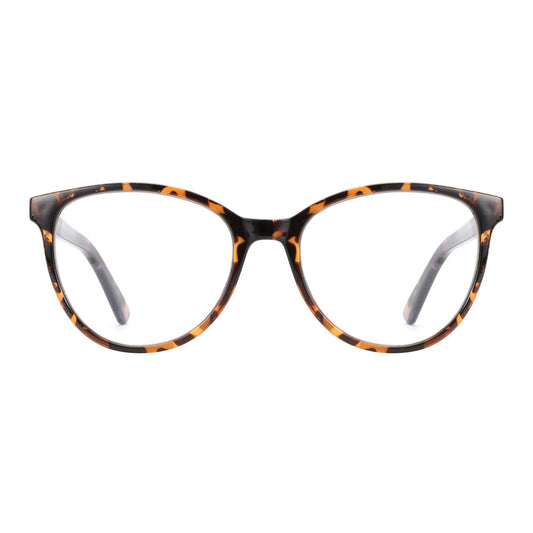
Are Y2K glasses suitable for professional settings? Yes, when styled correctly. Opting for subtle translucent tints like soft grey or pale champagne and pairing them with classic frame colors like tortoiseshell can create a look that is both trendy and professional.
References
Government / Standards / Regulators
- ISO 12312-1:2022: Eye and face protection — Sunglasses and related eyewear. International Organization for Standardization
- ANSI Z80.3-2018: Nonprescription Sunglasses and Fashion Eyewear Requirements. American National Standards Institute
Health & Industry Associations
- American Optometric Association (AOA): Sunglasses and UV Protection Standards.
- The Vision Council: Annual Eyewear Consumer Trends Report (2025-2026).
Technical & Academic Sources
- Zenottic Technical Guide: Technical Guide to High-Index Lens Materials and Standards
- Journal of Optometry: "Impact of Lens Tint on Visual Contrast and Comfort" (2024 Study).
- Materials Science and Engineering: "Development of High-Refractive Index Polymers for Lightweight Eyewear" (2025).
Community & Trends
- Fashion Institute of Technology (FIT): Historical Archive of 2000s Accessory Design.
- StyleForums / Reddit r/eyewear: Discussions on Y2K aesthetic revival and frame durability.
